swap to chronological order of most recently posted
-
Gaming at the Museum – Combining Gaming with Crafts, Museum Collections and Storytelling
posted:
updated:
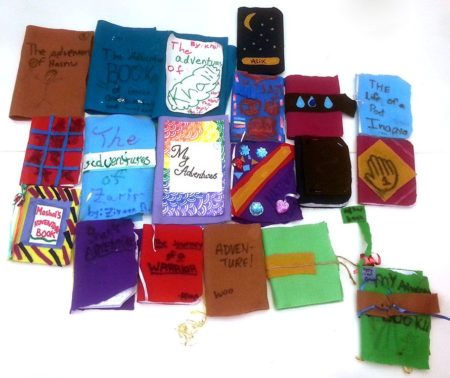
So in addition to running tabletop games twice a day for the kids’ summer camp I ran at the Aga Khan Museum, we supplemented gameplay with a few different things: firstly, we spent time every day in the museum’s collection and travelling exhibits; we read aloud stories from the Shahnameh; and we did hands on creative exercises that fed into both learning about the museum collection and enhancing the gaming experience.
Our first craft, and the one that paid off the most over the entire program, was making handmade journals. I was definitely inspired by the way Sword and Backpack uses a journal for each player as well as the GM; and as a selfpublisher, I know that making a Real Book is an incredibly empowering exercise for folks of any age. We used basic craft supplies for the covers and ¼” grid paper for the interiors, and the counselors saddle-stapled them. Each camper got to decorate the covers, “age” the interior pages and add bookmark ribbons or felt latches to theirs to make it special and ready for adventure. Each GM also made a journal, initially because we were doing demos for the kids and making journals is fun, but it turned out that they were incredibly useful for everyone in the camp, not just the campers themselves! GMs kept campaign notes, monster stats, secret plot developments and more in their journals, and I can’t imagine running a game without one now.
Once the kids all had a journal of their own, they had a place beyond their character sheets’ limited space to keep all sorts of information about their gaming. For some campers, this meant that they recorded everything that happened in the game in their journal – for others, they kept track of important clues, or of all the treasure and neat items their character acquired. Some kids immediately copied the shared map I laid out on the board on the first day into their journals, and tracked their own progress through it and referred back to it in game quite a bit. Others drew their characters, or monsters or NPCs they encountered, in the pages of their journals. The best thing was that each kid had a personal and private space to process their adventures and personalize their story.
The journals were useful beyond the gaming table as well. As I mentioned, we spent time each day in the permanent collection and in the travelling exhibits at the Aga Khan Museum, and having journals and pencils in hand helped the campers go from simply passively listening or looking as we introduced them to the material, to taking notes, organizing information and concretizing concepts into writing or drawings that they could take with them back into the classrooms or home.
The museum’s permanent collection was a little at odds with our focus on the Shahnameh, as it is focused on the history of Islam, which is the era AFTER the Shahnameh. However, the Aga Khan Museum has an incredible collection of illuminated manuscripts of the Shahnameh from across a broad swath of history, which gave us so many incredible talking points. The collection includes tablets with the images on them, which allowed the kids to zoom right in on tiny details. The paintings were amazing information resources and I was excited to share them with the campers, but in future I will spend more time teaching the kids how to parse those complex illustrations before setting them loose. Nevertheless the kids were able to use the tablets and the mounted manuscript pages to learn a lot about animals, monsters, and the kinds of clothing and architecture that would be part of their characters’ worlds in game through the illuminations. We also made use of the sculptures, decorative artworks and the textiles to help the kids glean information about what values and priorities were like in the world of the Shahnameh and afterwards.
The journals were a great anchor piece for the campers as they explored the collections – there was always a little knot of kids on benches or on the floor taking notes and drawing in them. The other amazing anchor was the game itself – campers were motivated to investigate the artifacts from their own point of view, with the intent of bringing this information into their gaming. Thus their own in-game needs and questions helped motivate them to look deeper and take good notes when they had access to the collections. I believe that using Dungeon World was extra helpful here as by the third day most campers had a clear grasp on just how much they could contribute to the world of the game, and could see the direct link between finding something interesting in the galleries and getting to encounter it in game.
Our other crafts over the week consisted of mini dioramas of the environments we were exploring, felt treasure bags and construction paper versions of treasure and equipment from in game, landmarks and monsters for the collaborative cork board map (including a few amazing 3D papercraft buildings and some narrative illustrations of battles!) and on the final day, character portraits, many of which were clearly inspired by the clothing, armour and weapons we had been studying in the illuminated manuscripts all week. As I mentioned in an earlier post, the shared map stood out to me as another incredibly powerful exercise that had the entire summer camp collaborating on populating an initially blank map in the hall and sharing stories with each other as they drew and cut out and assembled their landmarks and illustrations for it.
The final peripheral activity was the oral storytelling from the Shahnameh every day. I’ve worked with teens and adults mostly in the past and was awed by how much fun reading aloud to kids can be. Hearing their reactions to story moments and their guesses as to what comes next was definitely a highlight for me, but the best part was our discussions after each reading, where we talked about what had happened and what they thought of it all. We had some incredibly smart and investigative conversations about heroism in Rostam’s story – The kids had been paying close attention to his behaviour throughout his seven trials and when we talked about heroics they were quick to call him out on his attitude and how he treated people as well as his great deeds. We were able to dig deep into what it means to be a hero and a good person, and we were able to take those ideas of heroism into the museum galleries where other stories were shared via the illuminated manuscripts. Talking about what makes a hero was something that the kids were able to bring into their game, and I hope we introduced that classic D&D player tension of “Win All the Stuff vs Be A Real Hero” to a whole new generation.
Oh, I have one more note about the handmade journals before i wrap this up, and if this doesn’t encourage you to make them with your next group I don’t know what will: on the final day, as we wrapped up our crafts and finished our games and high fived all over the place, the kids decided that they needed to sign each others’ journals, as if they were highschool yearbooks. Each GM now has a journal full of notes from their game AND notes and signatures from all their gamers, and each camper has a journal full of notes from their gaming group and their fellow campers, and even, if they asked for one, from their GMs. It was a great way to wrap up the week and a wonderful artifact of my own that I will treasure.
So, this wraps up the Gaming at the Museum posts! Thank you so much to my Patrons whose support made this in-depth recap and analysis possible, and thanks to everyone who helped make the program itself possible, especially Alix, Casey and Jason, the best co-GMs a person could ask for. If you’re interested in reading more about museum gaming, keep an eye on Daniel Kwan’s twitter feed, and if you tackle a program like this yourself sometime please let me know all about it!
Finally, if there’s anything I haven’t covered, please feel free to drop questions in the comments here or tweet them to me on twitter, I’m definitely excited to keep talking about this!
Thanks all!
-
Amphibious Creature Design for Pillar of Fire
posted:
updated:
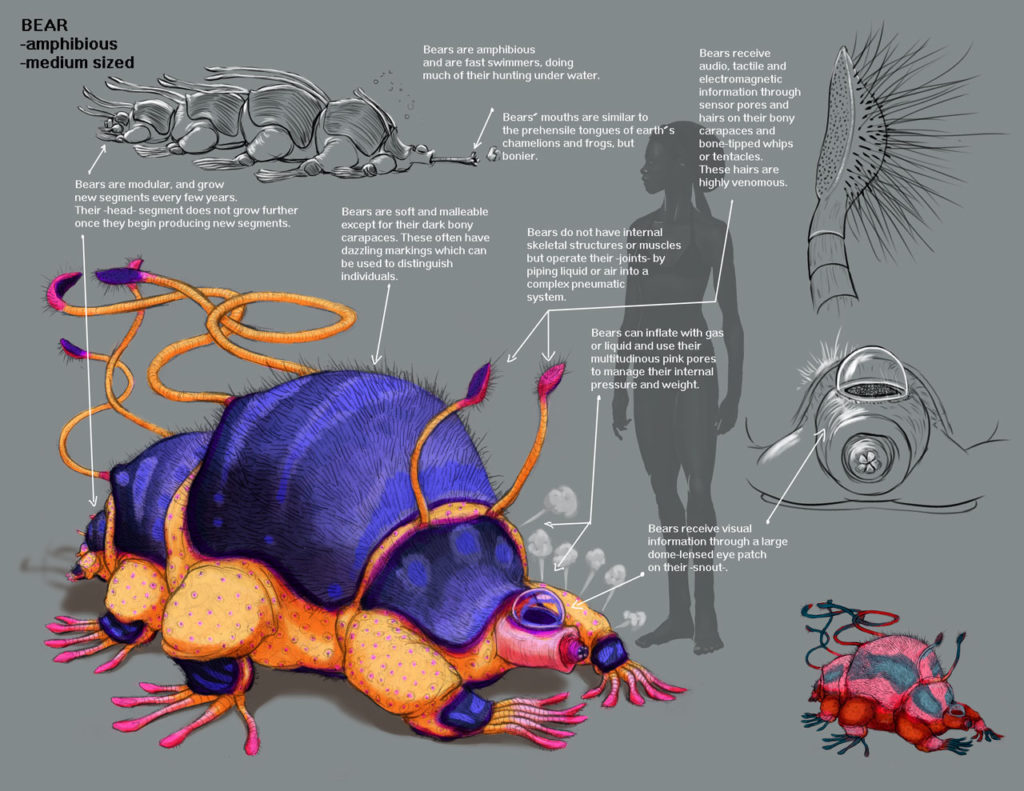
posted to: concept arttagged: bear, creature design, digital painting, microfauna, monster, monster design, structure, visdevThis is a creature design concept art sheet for Atlas Games’ project Pillar of Fire. We developed a series of alien creatures inspired by microfauna.
-
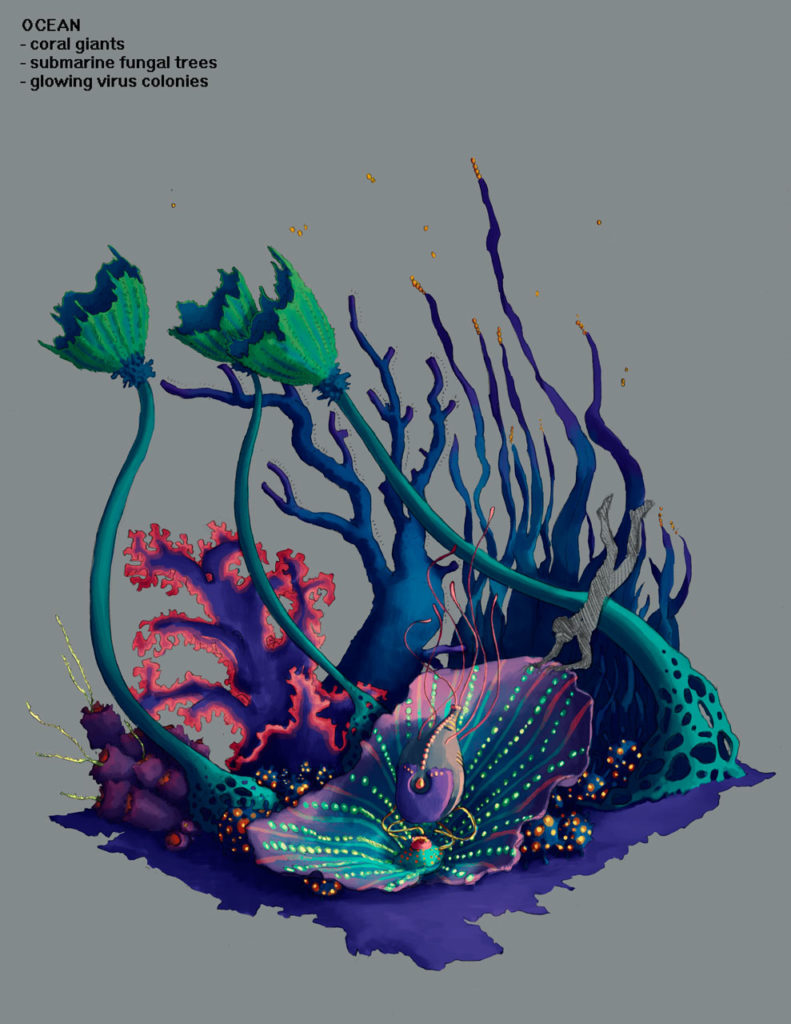
This is a concept art sheet for Atlas Games’ upcoming project Pillar of Fire. We developed a series of these environment samplers inspired by microorganisms and fungal structures.
-
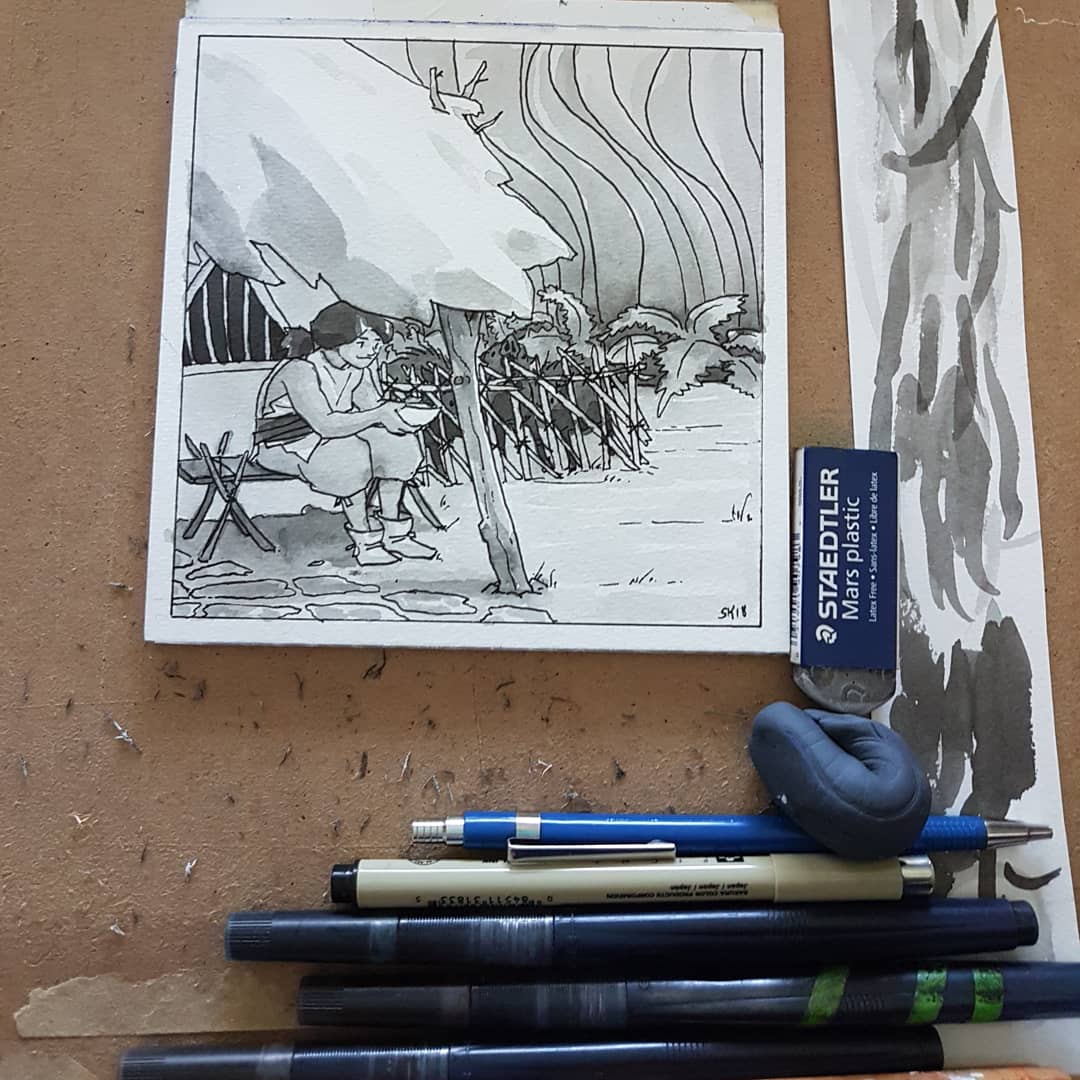
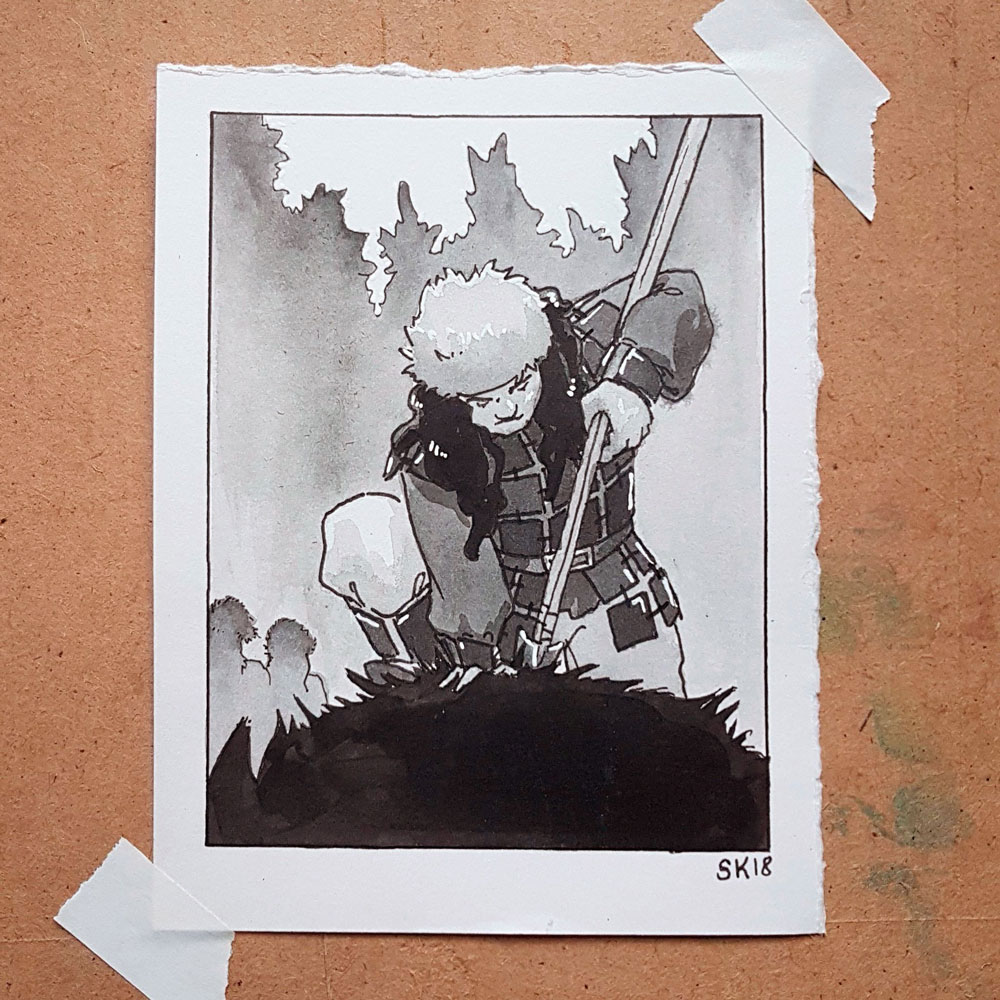
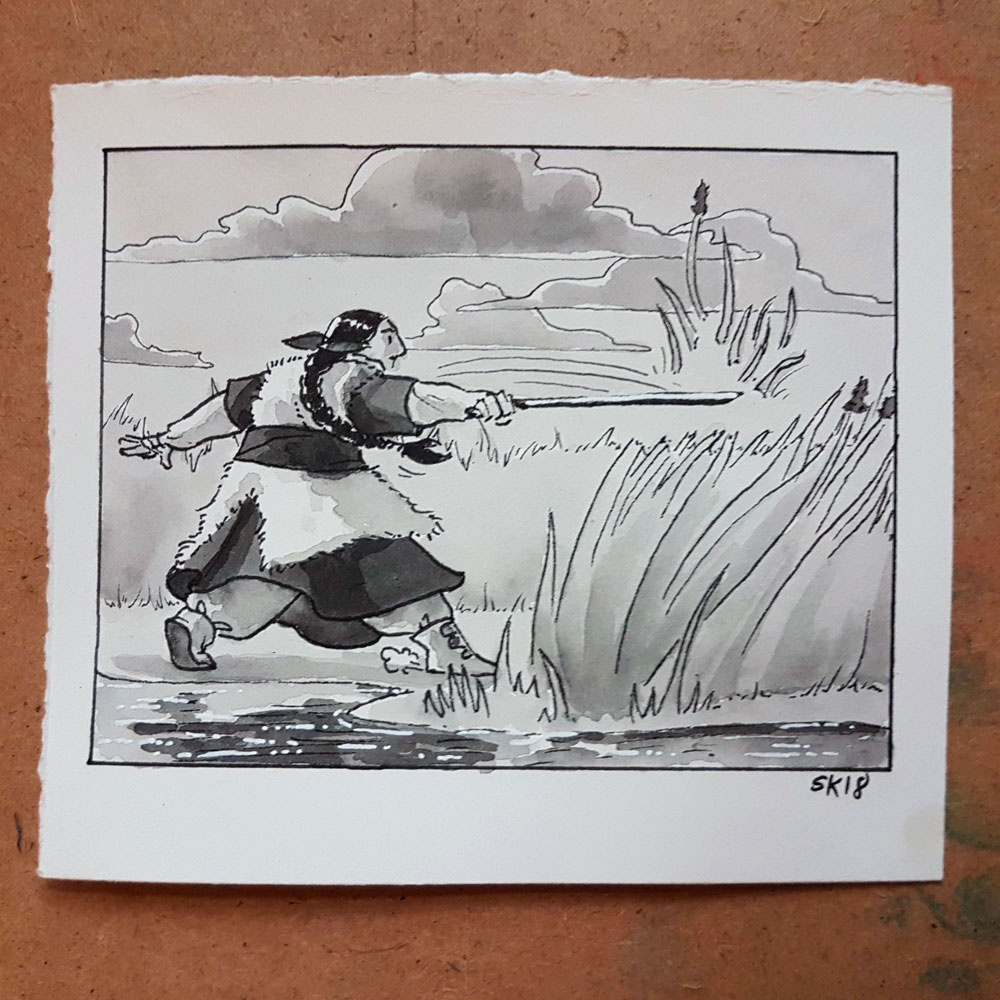
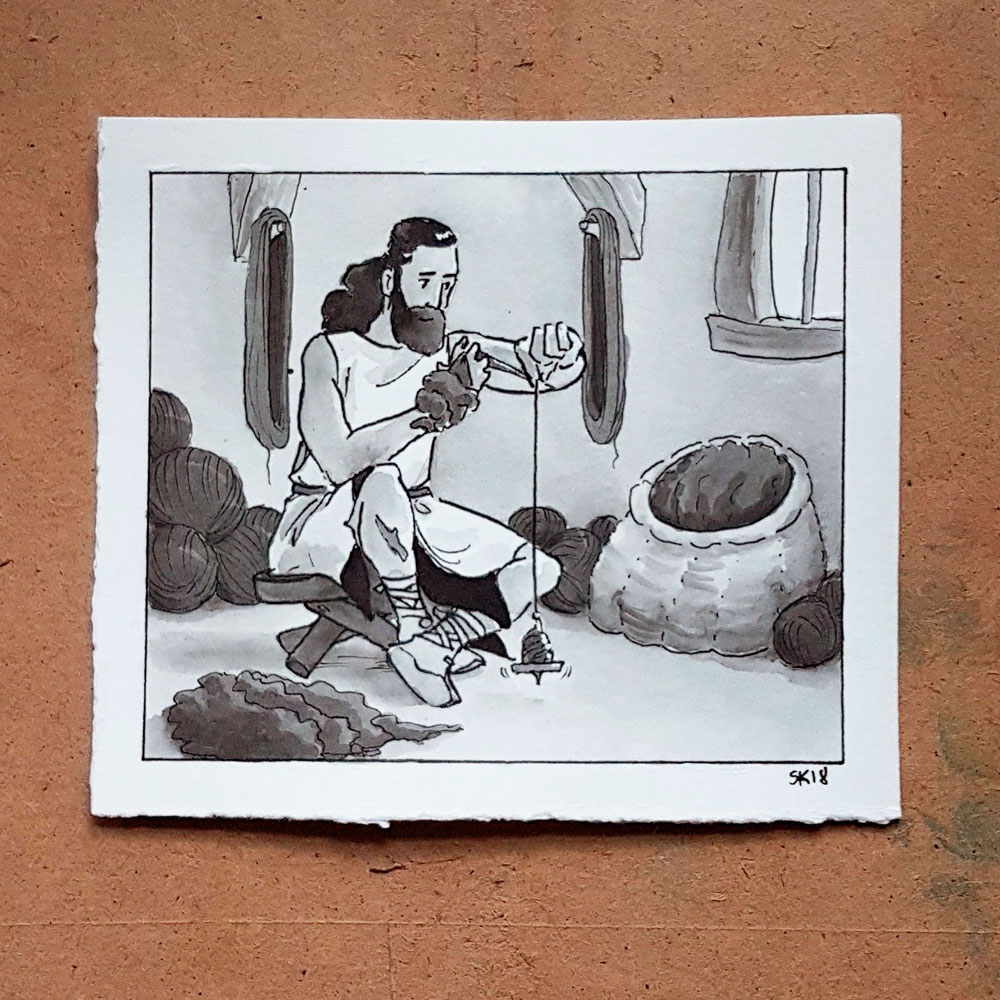
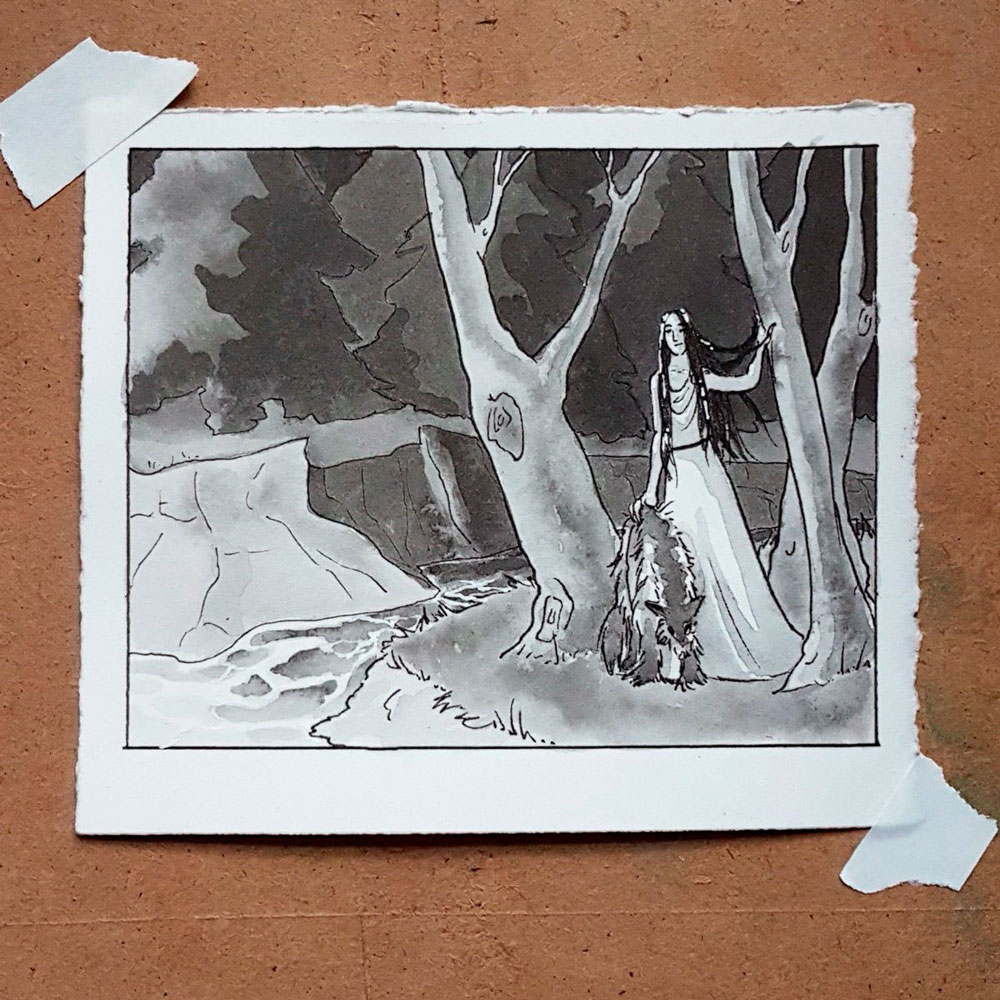
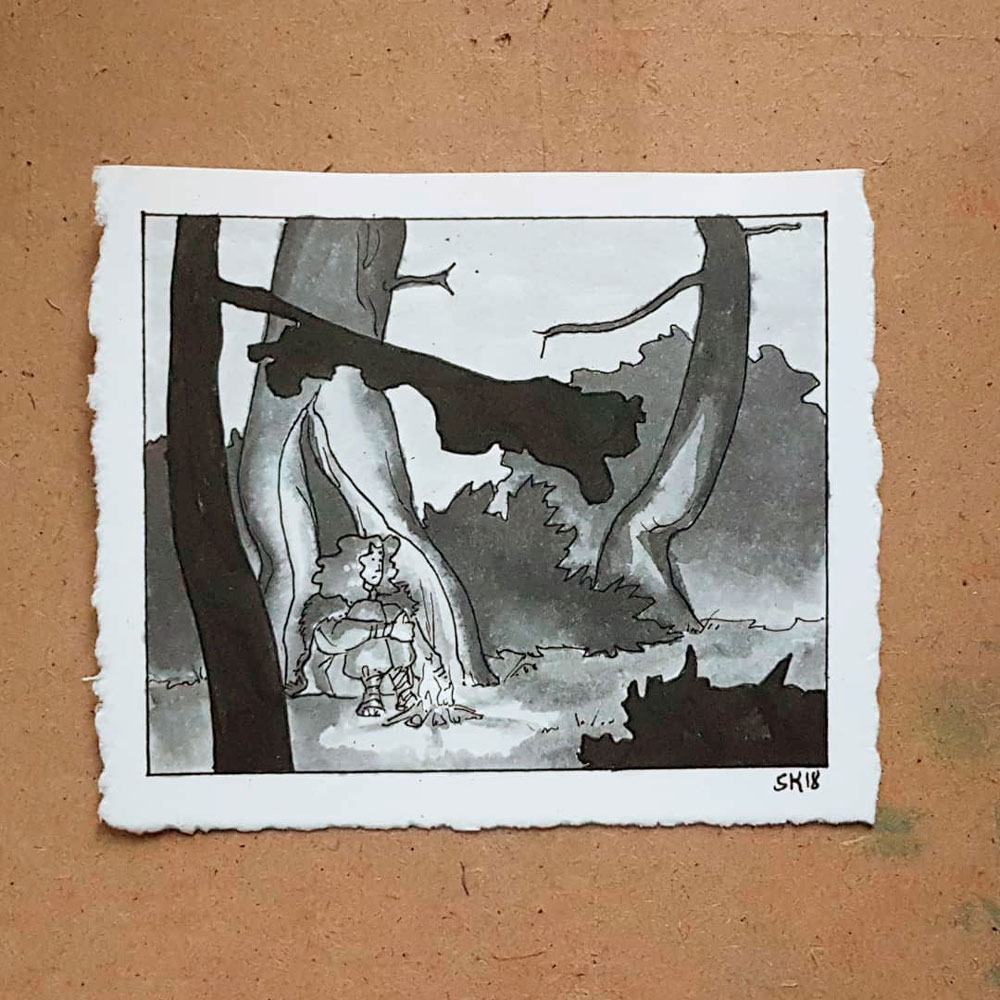
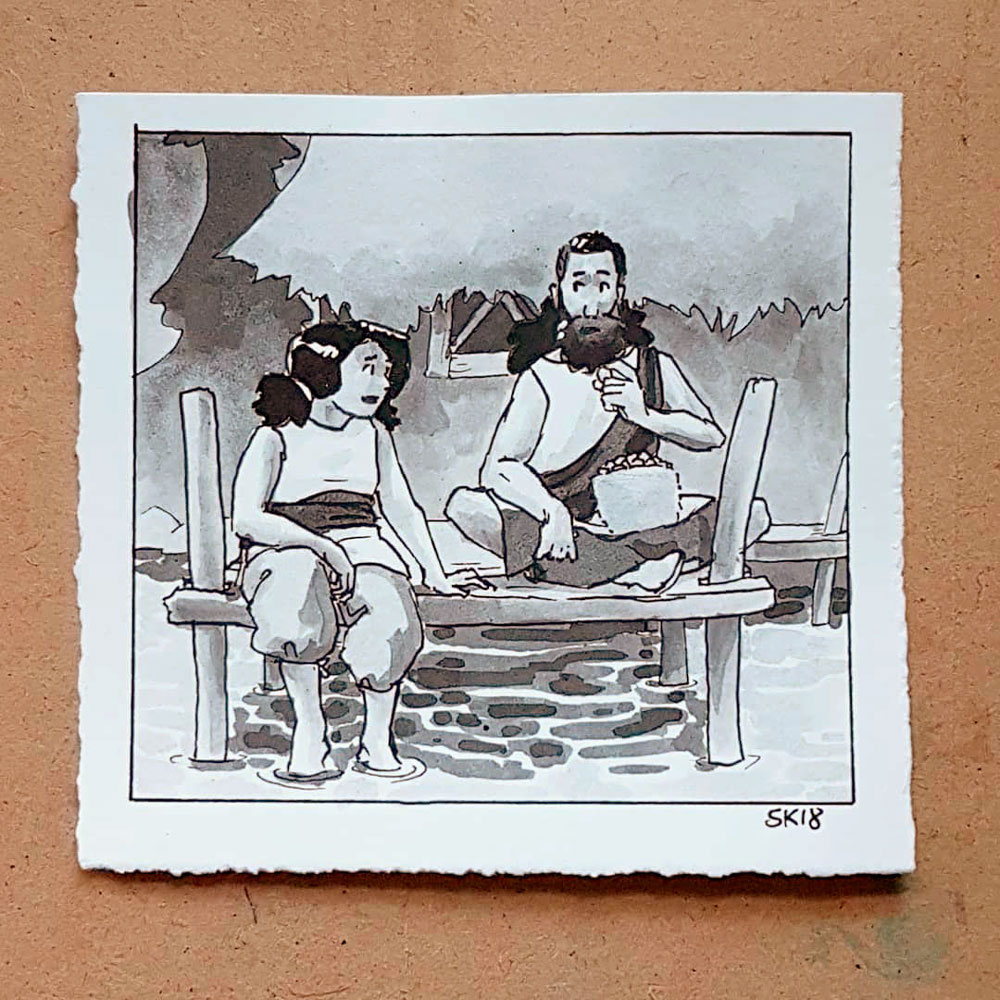
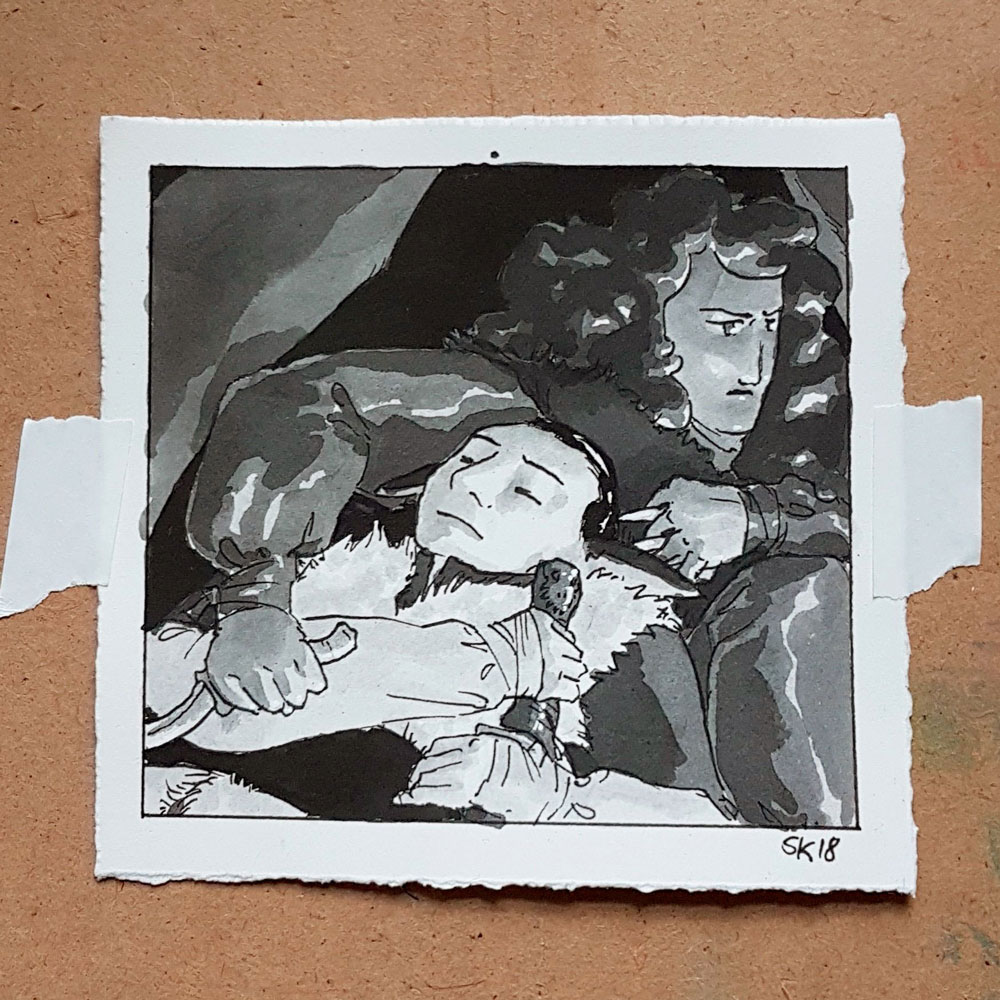

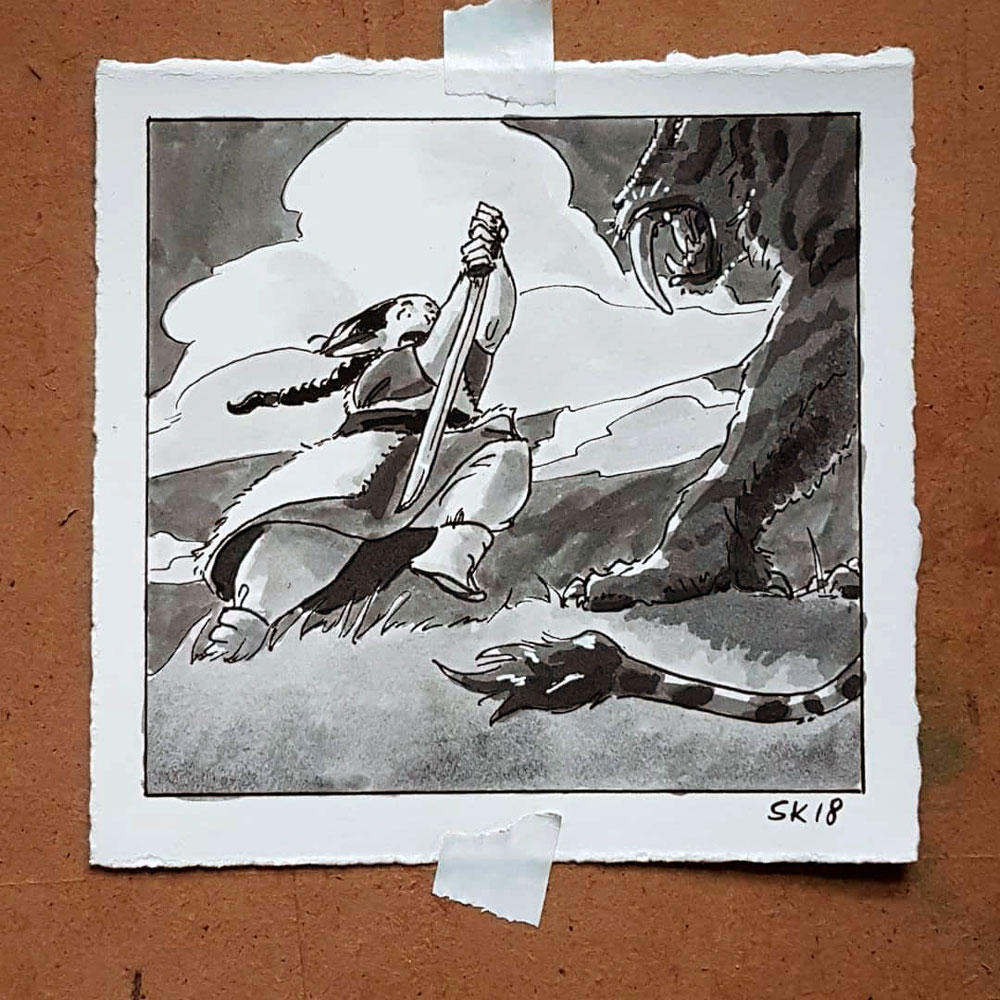
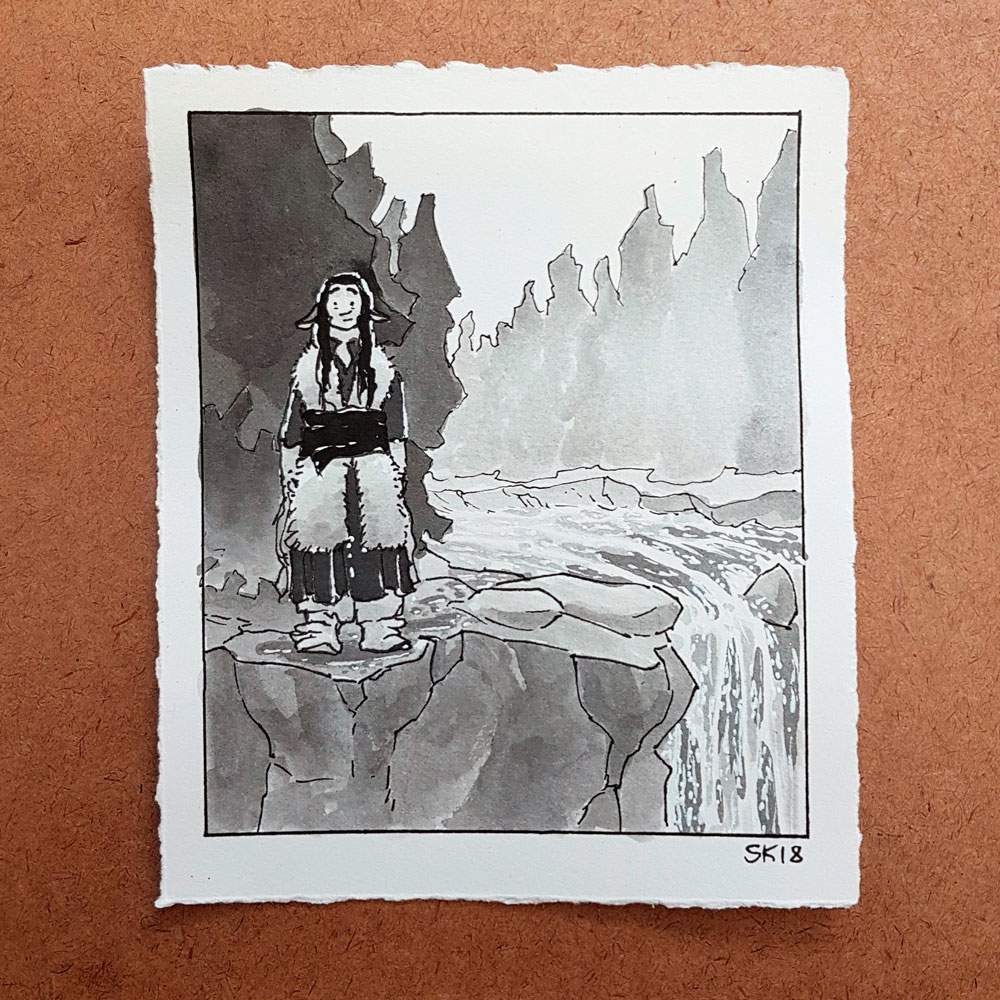
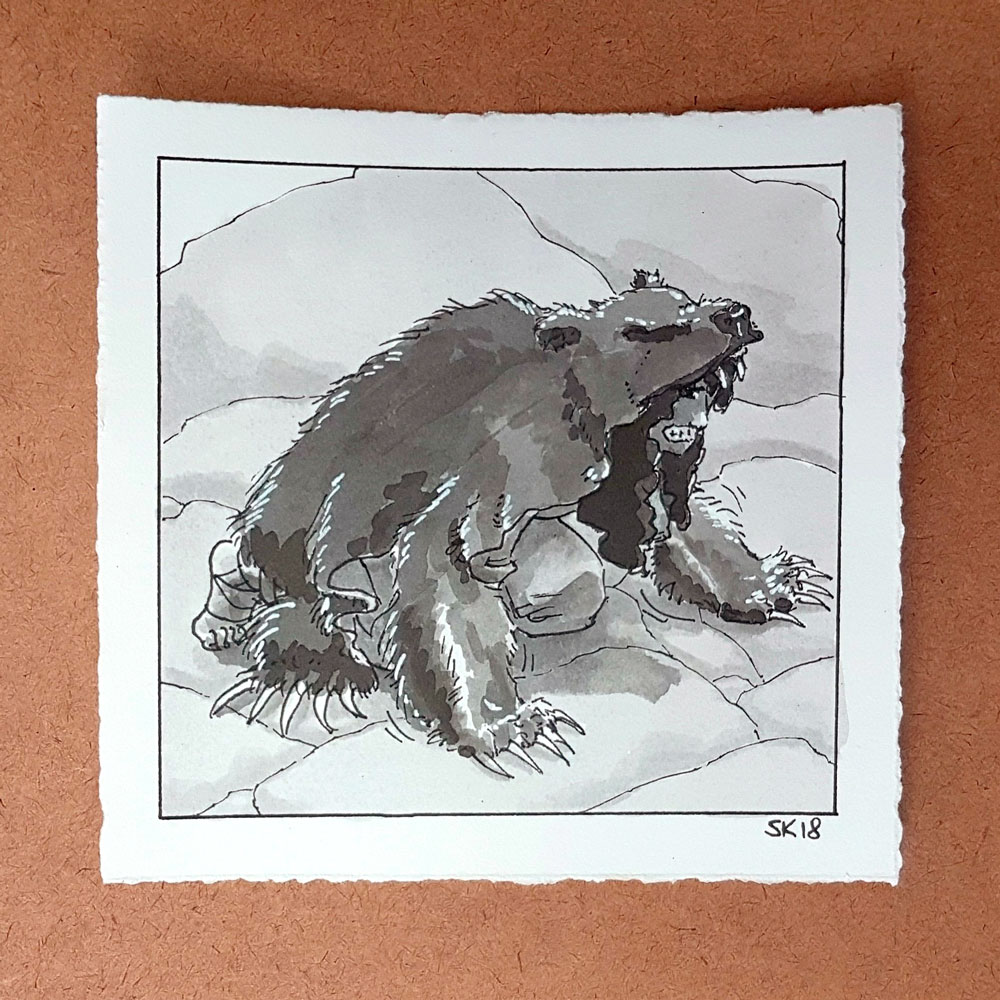

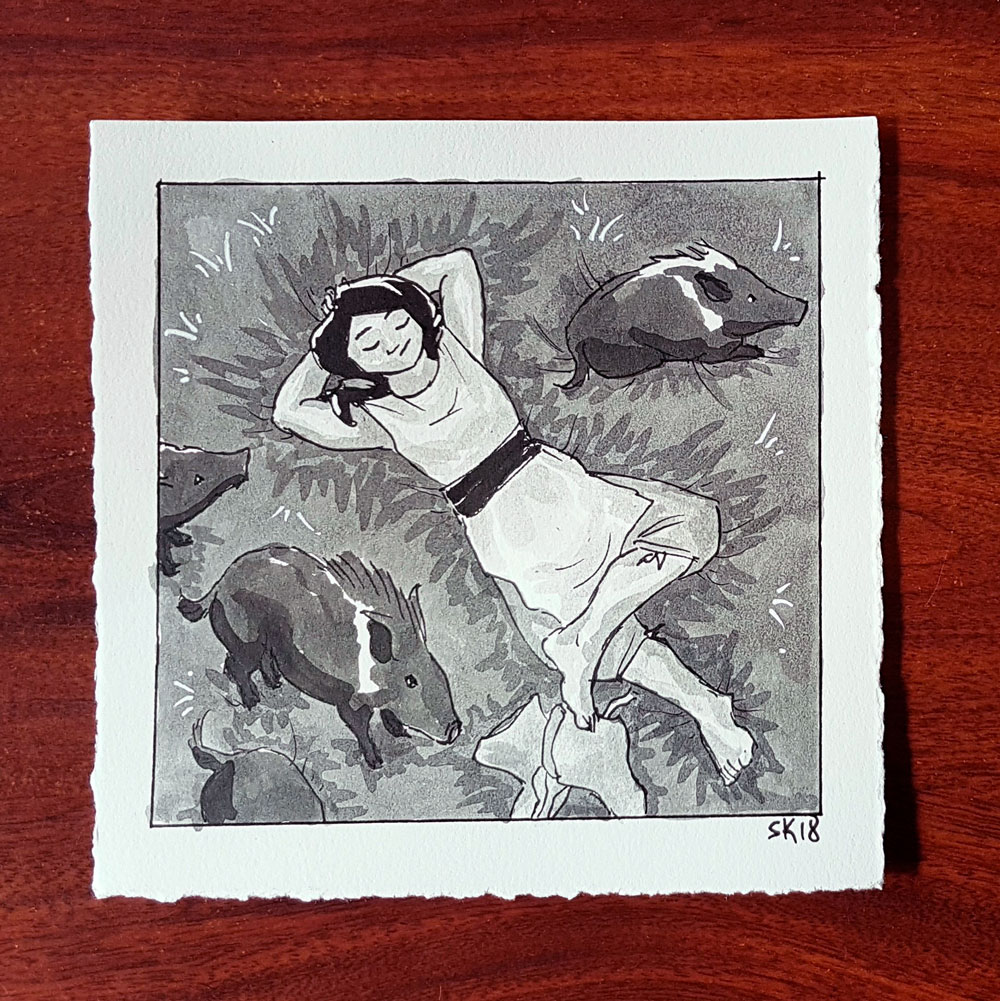
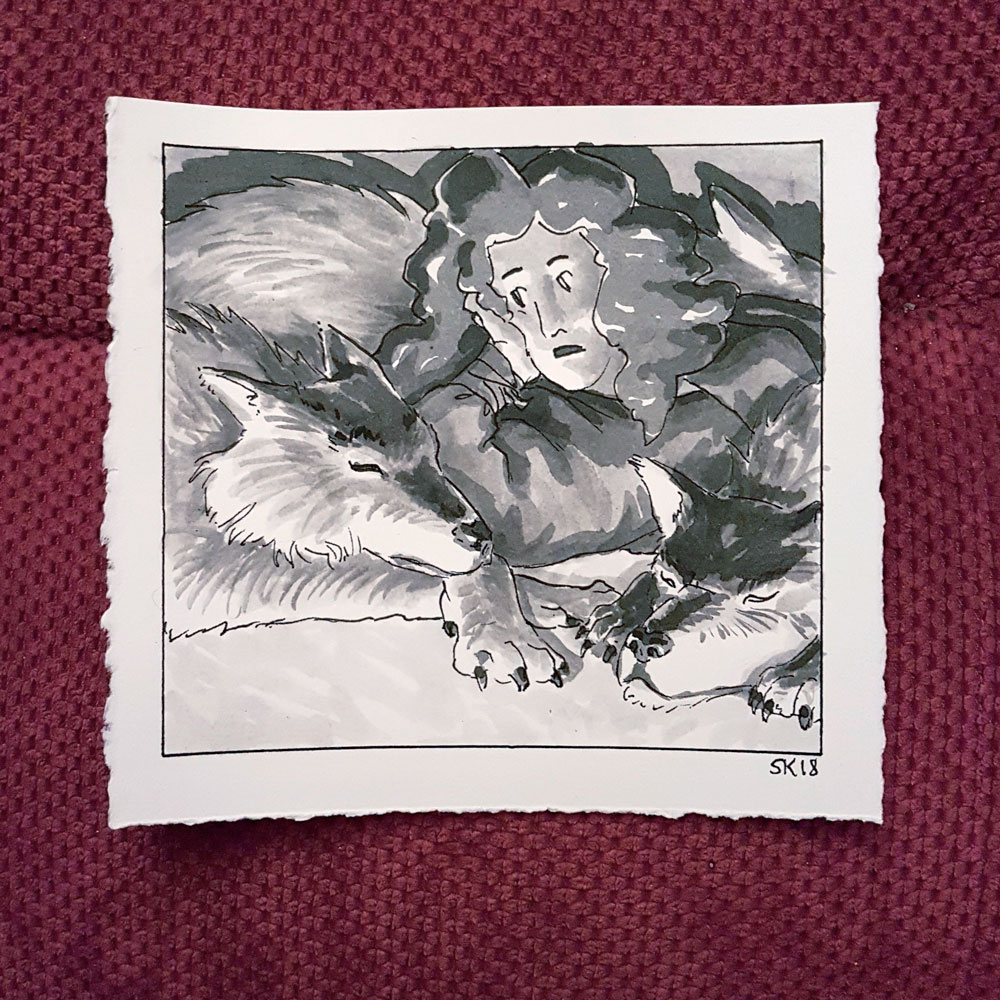
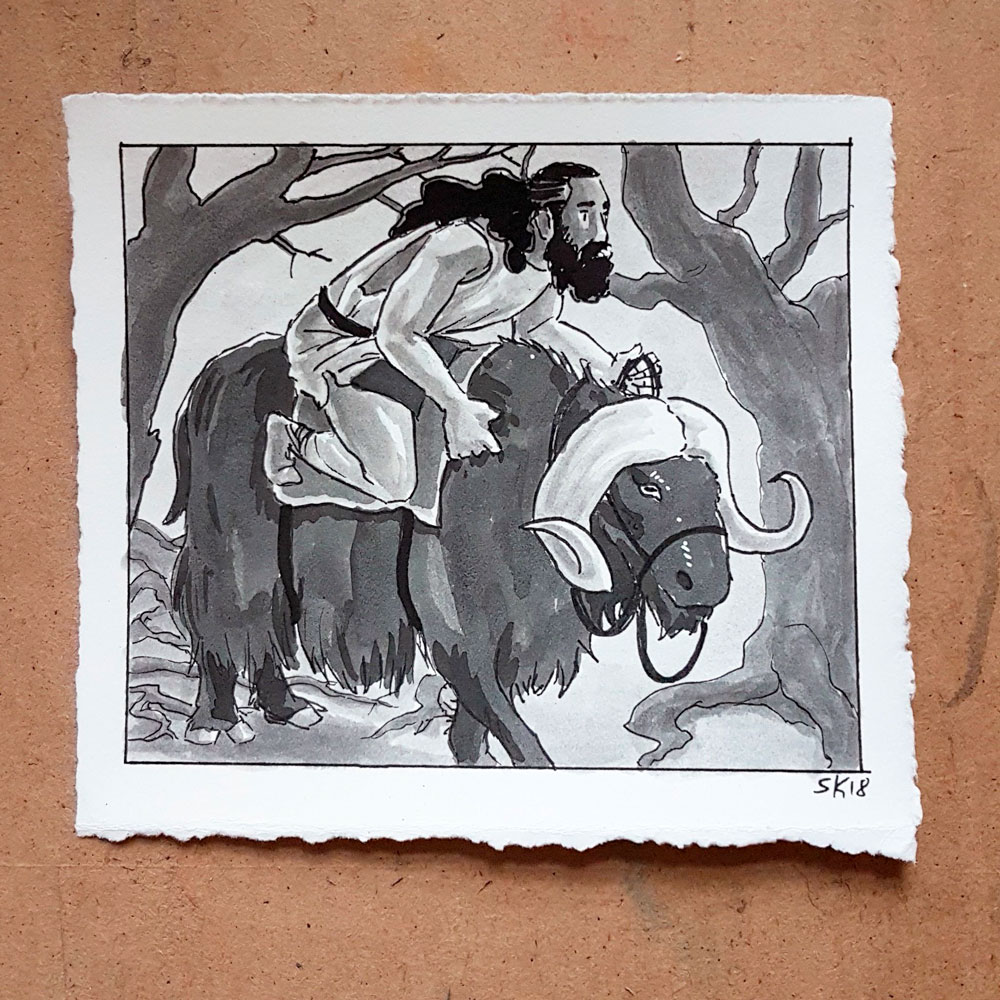
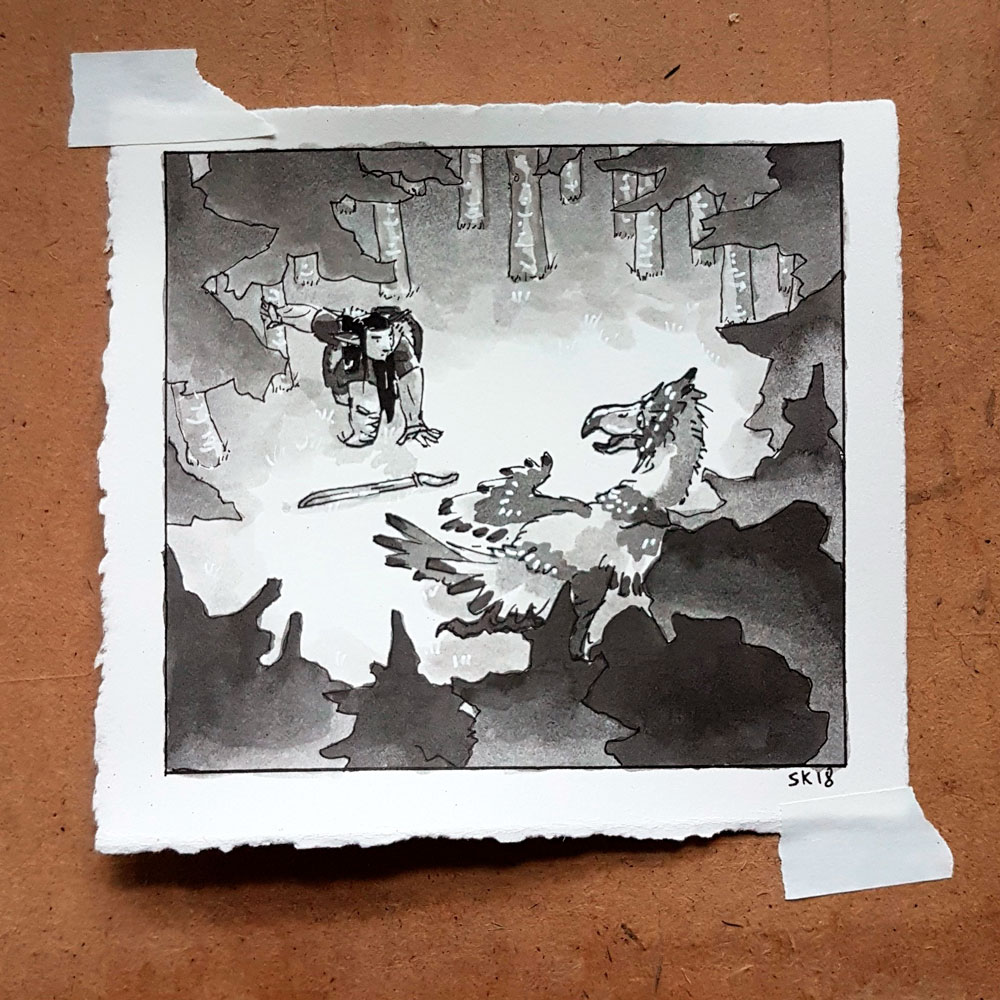
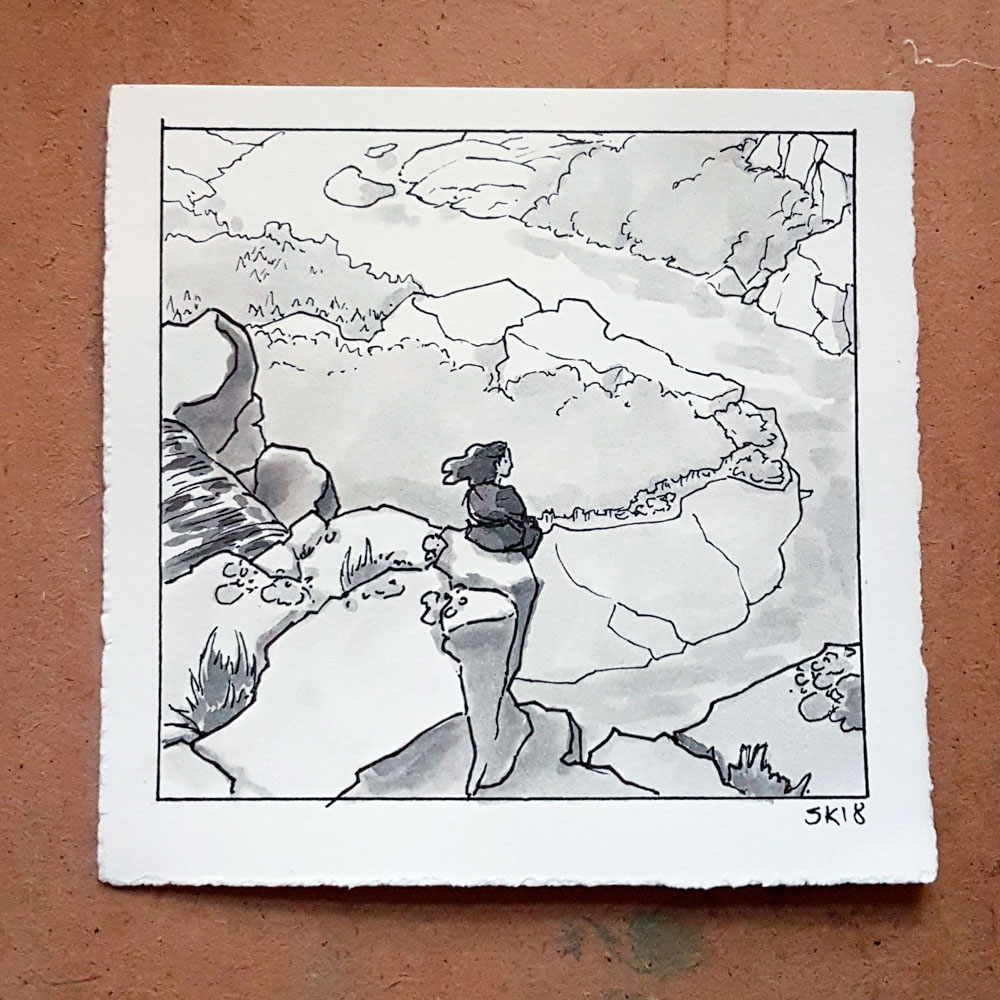
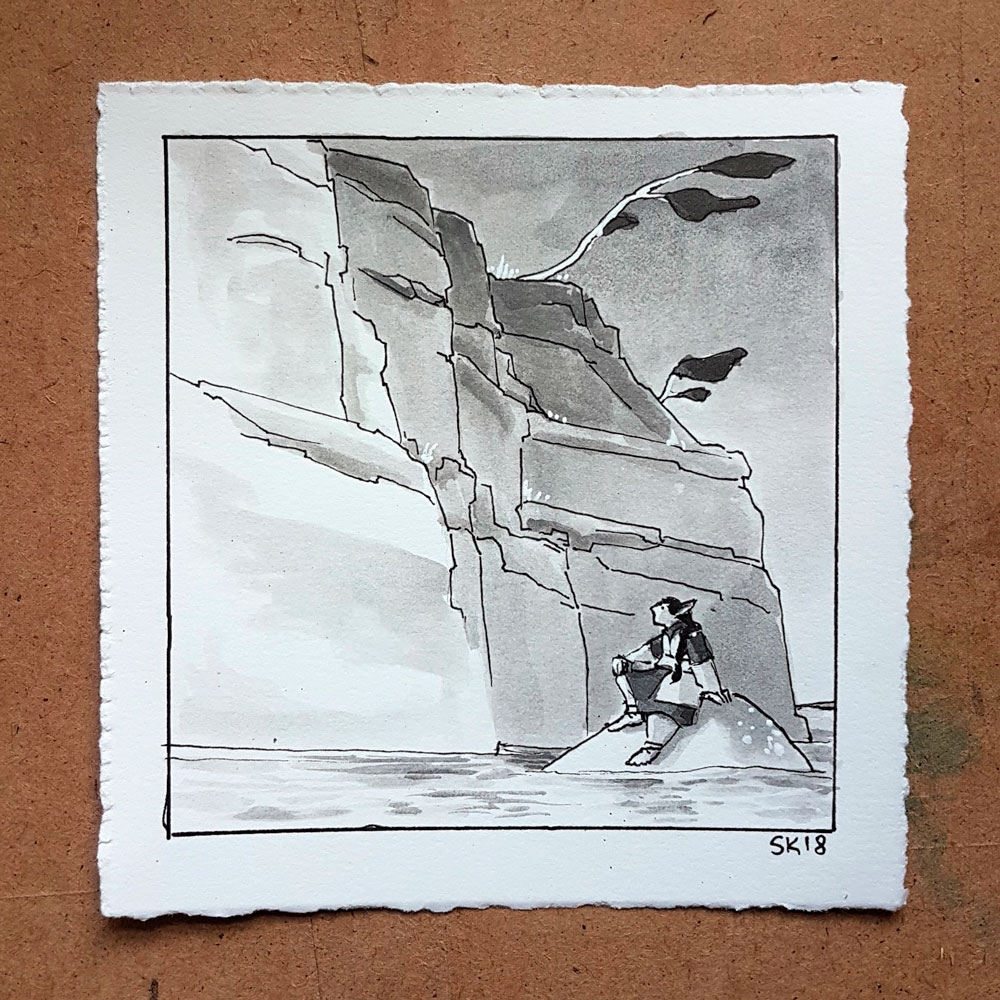
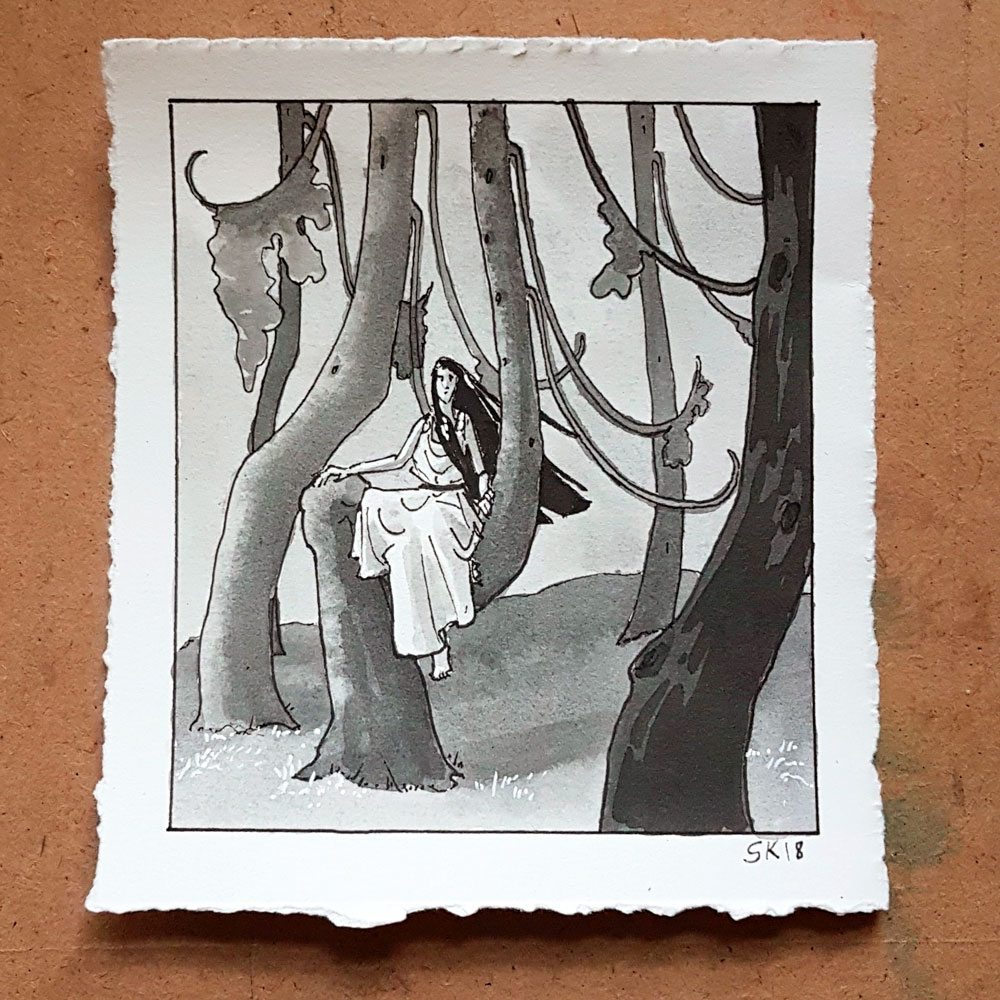
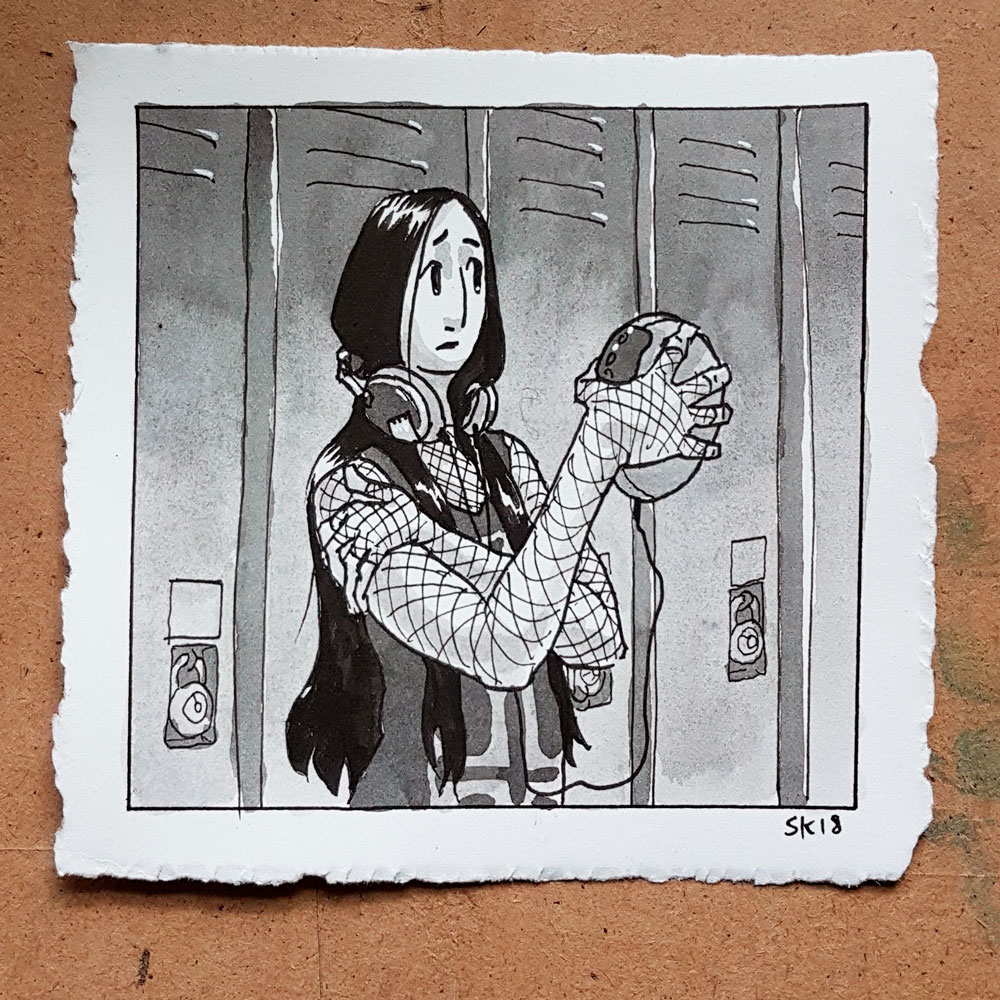
I took it as an excuse to draw my own characters for a month straight, using preprocessed rag paper I tore down to size and a limited set of art supplies:

Those waterbrushes are filled with different dilutions of sumi ink, making it fun and easy to do greyscale washes.
-
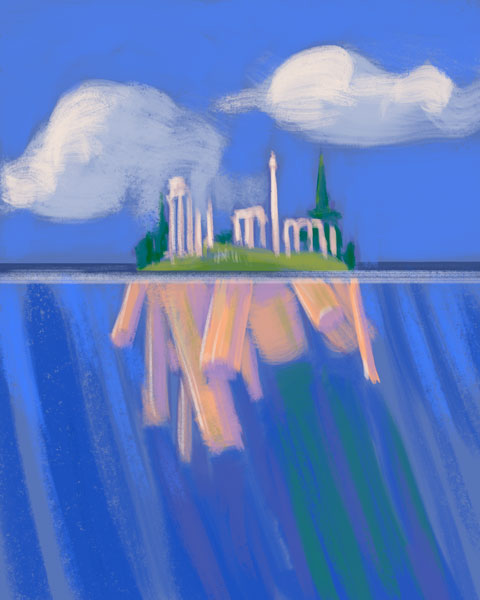
Speedpaint sketch exercise; digital.
-


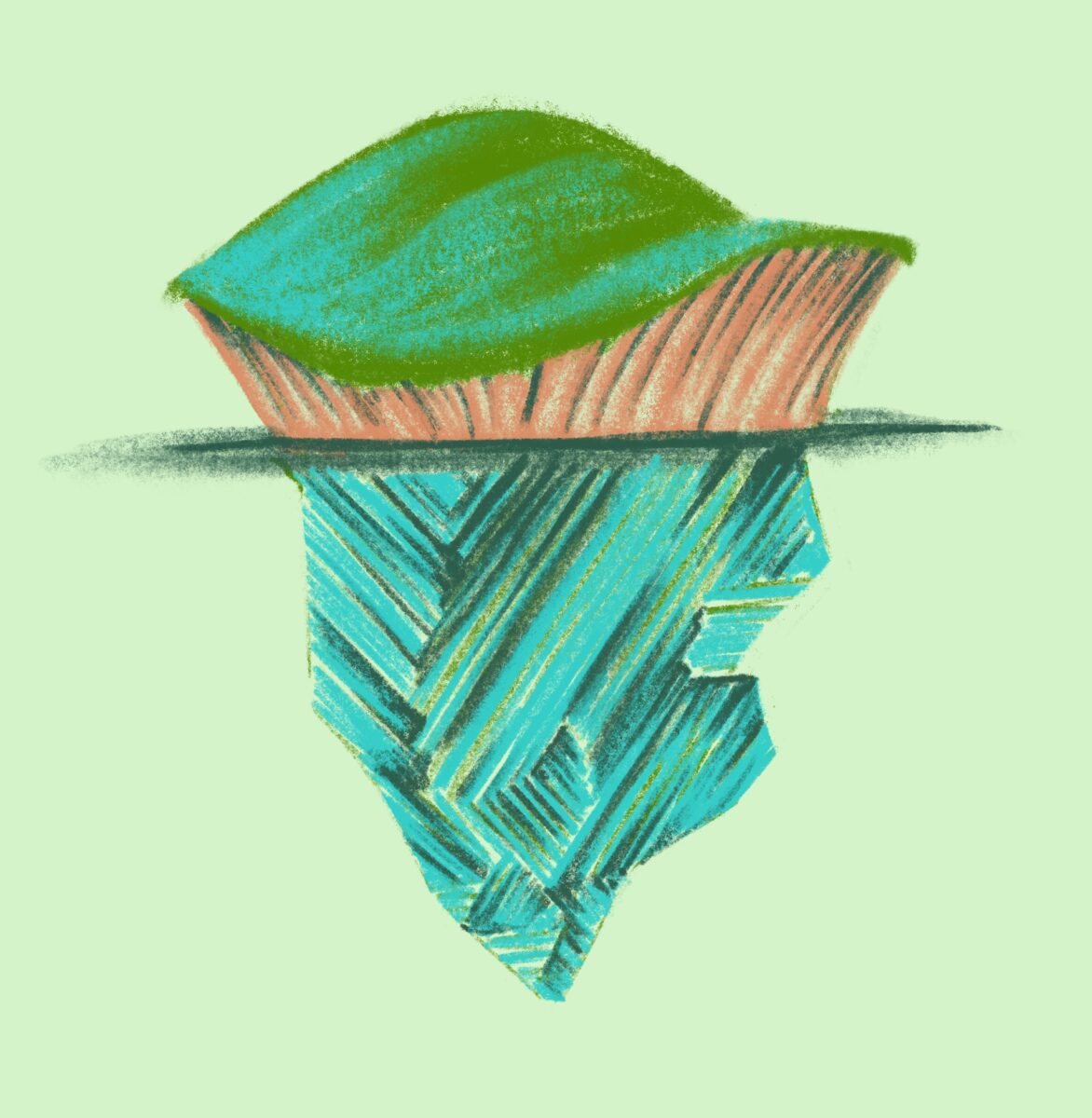
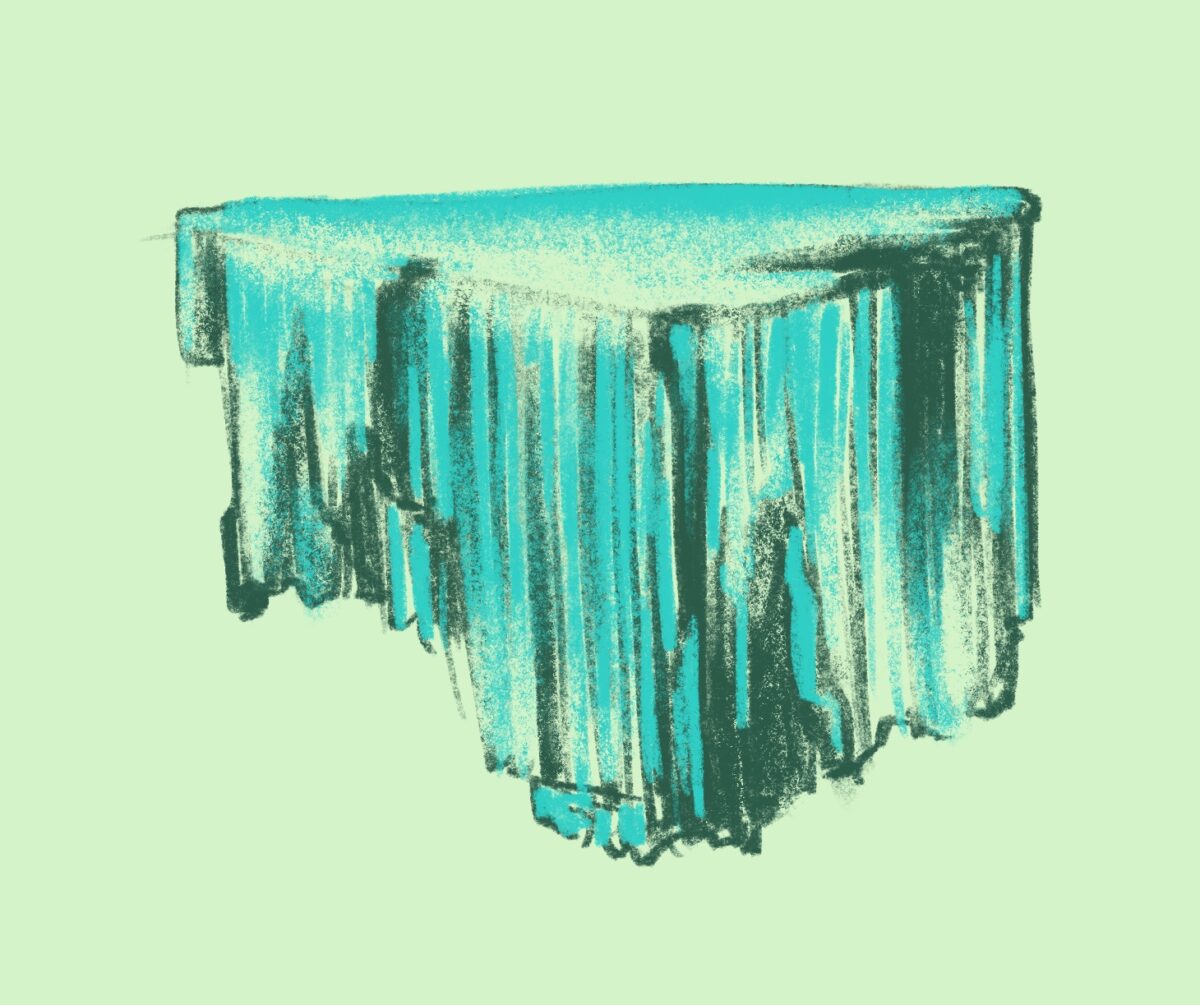

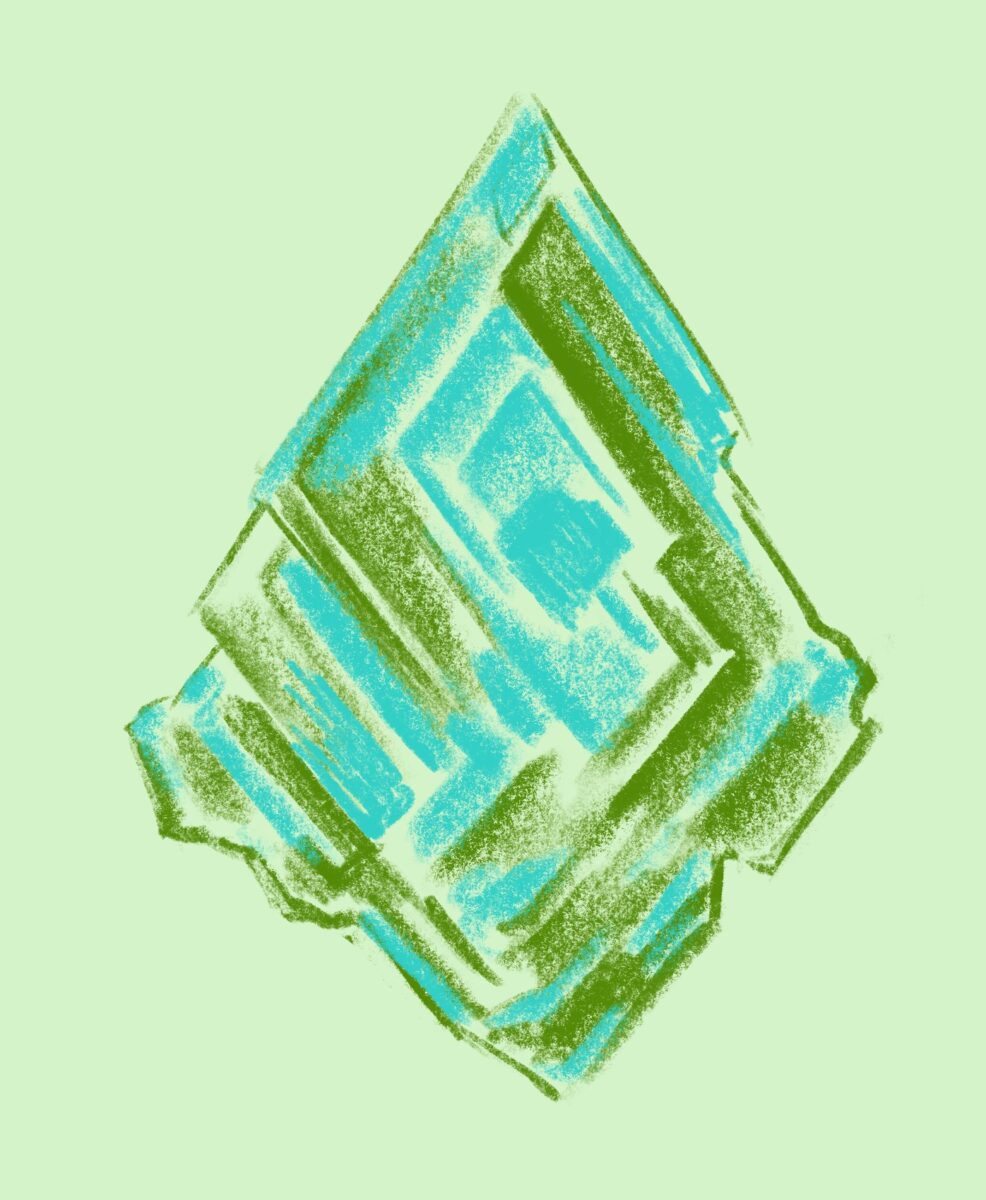
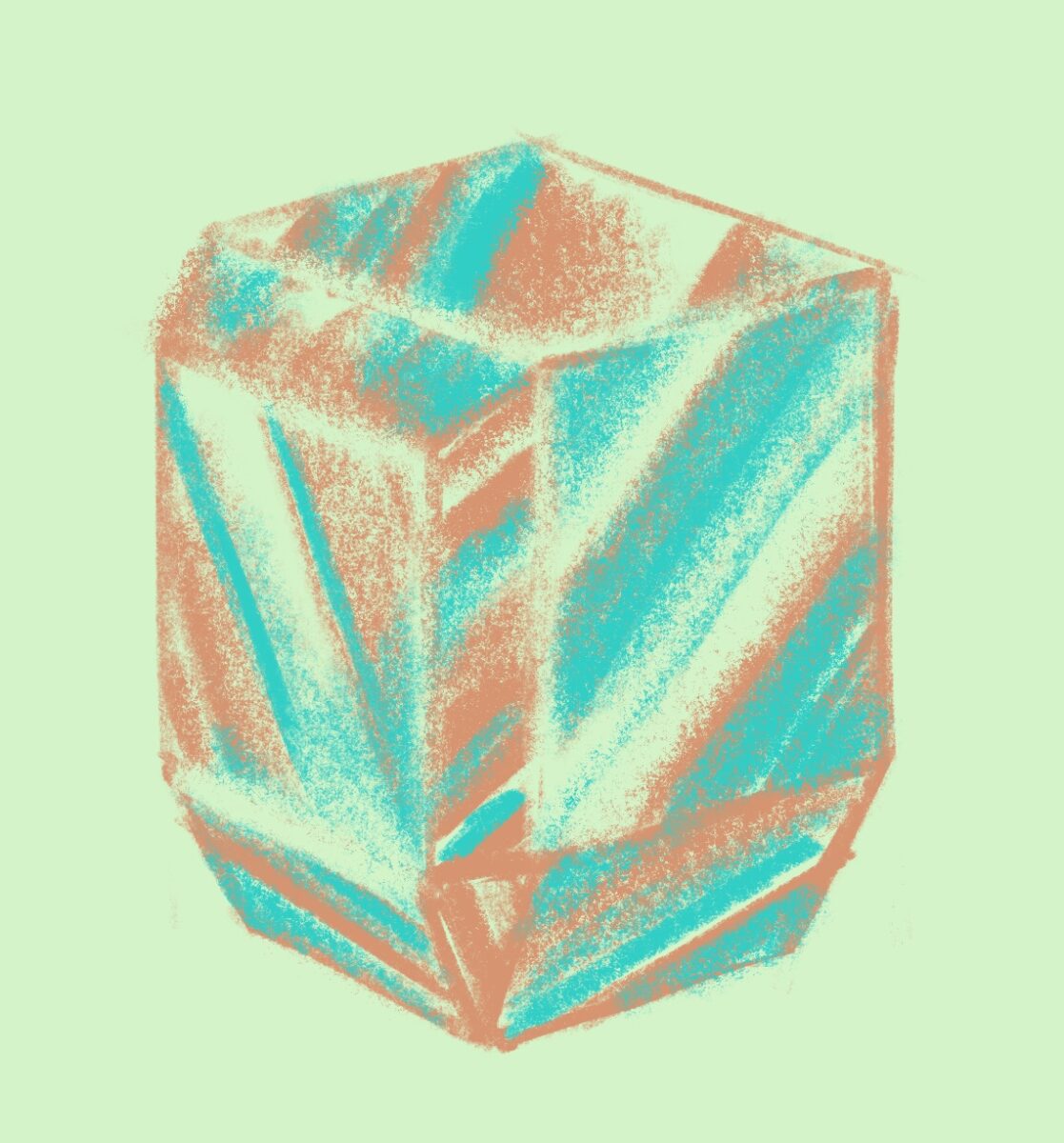
Painted in procreate with the gloriously textured pastel brushes from MaxPacks.
-
Level Eater Identity Piece, created from a list of evocative props and mood descriptions for use in bespoke, event-specific character sheet journals.
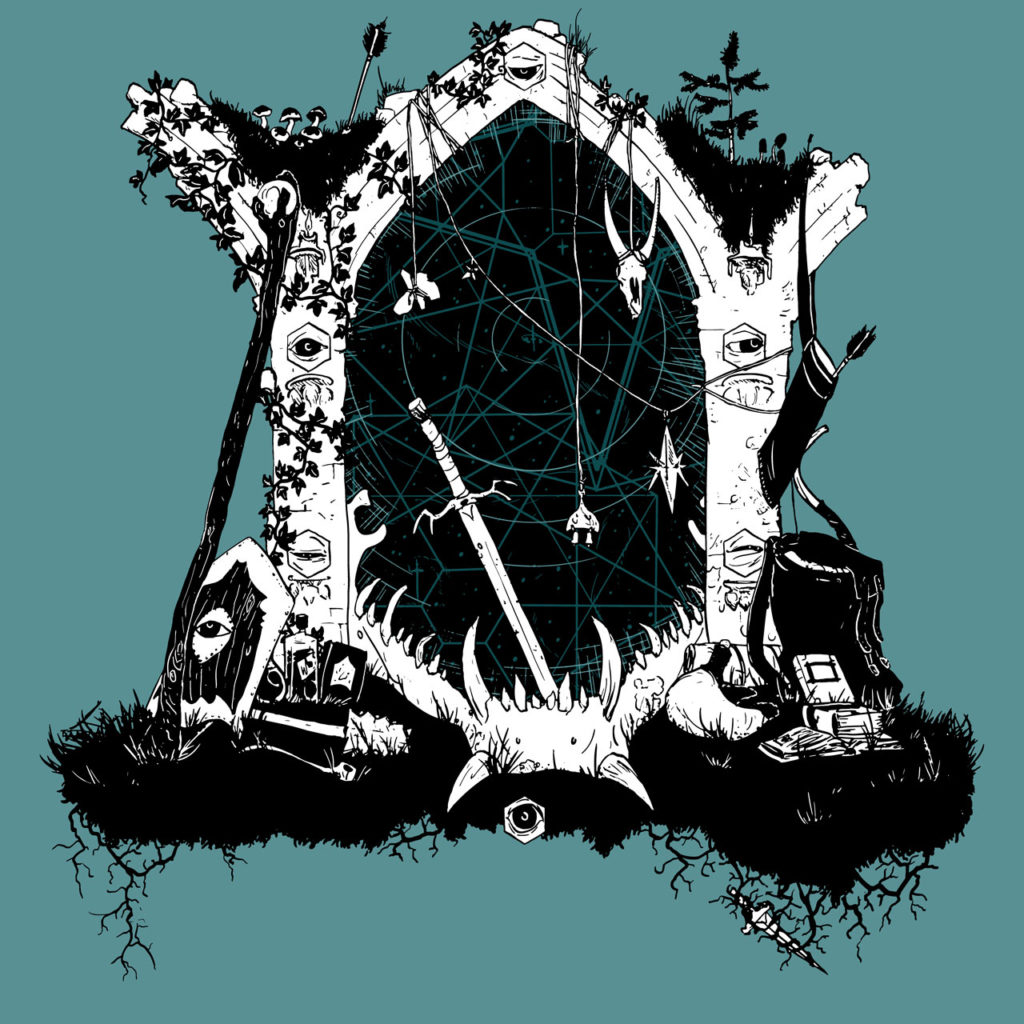
-
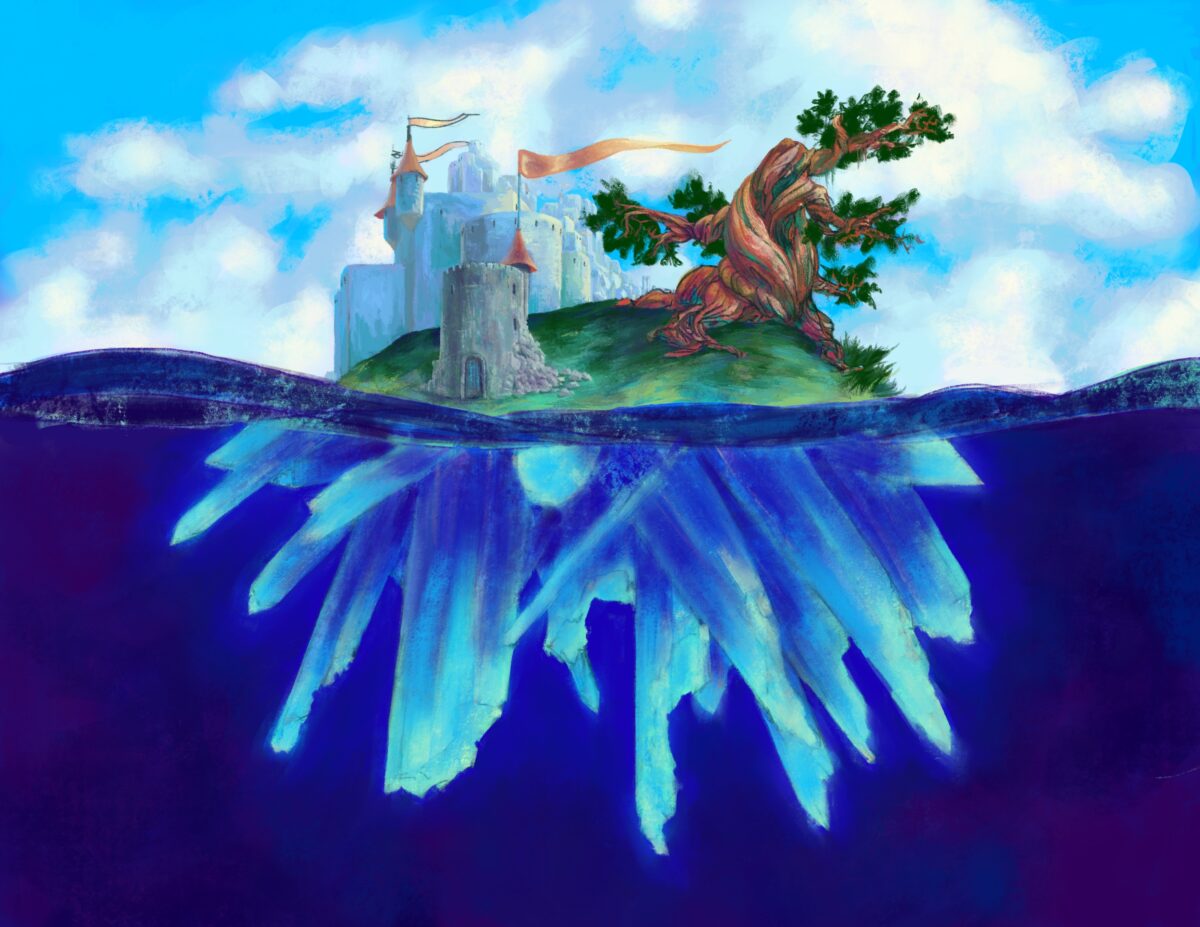
Digital piece, never quite finished.
-
Alrighty folks, time for me to tell you about 13 albums I hecking love! The past decade has seen my ability to access music change, and change, and change again as we navigated a sort of death of peer-to-peer file sharing, the birth of bandcamp, the enormous wealth of music uploaded semi-legally to Youtube, the rebirth of the music video (did it die? did I just lose touch for a while?) and then a crowded market of streaming platforms. For me, this means that I spent the first third of the decade listening to my mp3 collection which I was adding to less and less; then I abandoned that and had collections of youtube playlists and bookmark folders full of bandcamp pages; then finally I uploaded my abandoned mp3s to Google Music (was it the right choice? maybe not? am I trapped now? yes.) and slowly rediscovered a whole lot of older music all over again thanks to that.
So, it’s been chaotic. Are these my top 13 albums of the decade? I don’t even really think I can say for sure – Google music doesn’t seem to let me search by year, and doesn’t track my listens on my phone or ipad, so it’s a highly useless tool for determining this metric. Instead, I just went through my library and playlists and tried to pull out the albums that I had the most emotional connection to – or was forced to admit that I did put on loop regularly still! I’m sure as soon as I publish this I’ll think of 13 more, but oh well. These ones are all fun and I’m excited to talk about them!
This list is alphabetical by band because there’s no way in hell I can tell whether the symphonic power metal album or the fusion black metal album is empirically “better” than the other. Just, listen to what sounds good to you!
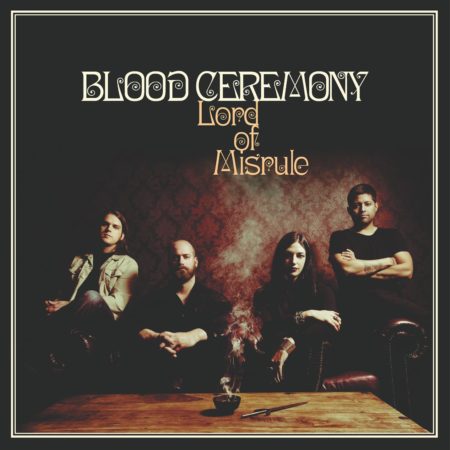
Blood Ceremony’s “Lord of Misrule”
Blood Ceremony are a local band that my friends have told me about for years, but it took this album coming out for me to really understand what I was missing. This shit is fun! It’s a great album for a chill hang with your witches; a great soundtrack for a roadtrip through the woods; it’s got the flute solos you didn’t know you were missing in your life, and the spoooooOooooky overdubbed vocals you’ve always dreamed of. Is it satanic? Occult? Sinister? Yes, but in a sort of 70s flavoured reassessment of Victorian hobbies kind of way.
The guitar is mean, the drums are partying, the flute got really high, and the vocals are taking it all as seriously as they can given how the night went. I don’t know how to describe music, friends, but I do know I love this album and I often throw it on for hangs.
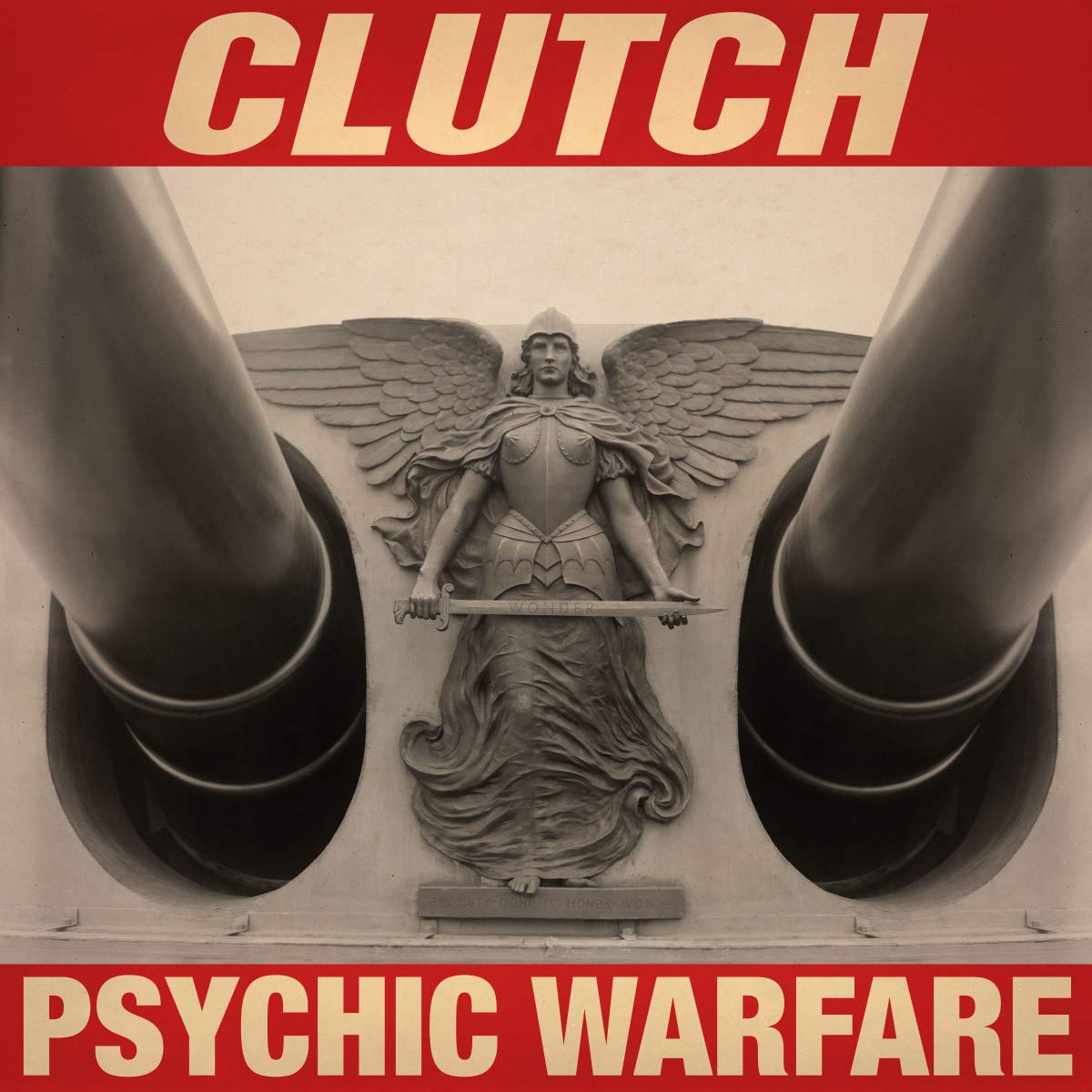
Clutch’s “Psychic Warfare”
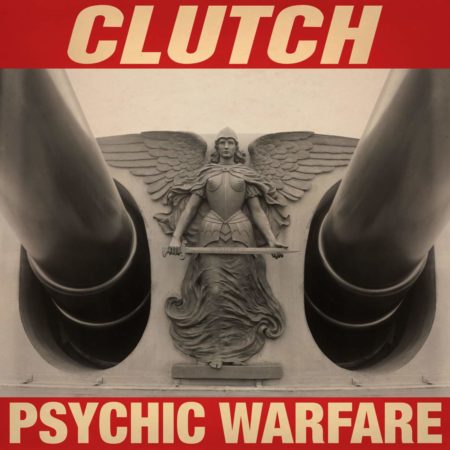
Fuck yeah a Clutch album! Of the three they put out this decade, this one’s the album I spin as a whole most often. Earth Rocker has some great songs, and I’m warming up to some songs on Book of Bad Decisions, but Psychic Warfare is where I go for 40 straight minutes (these are not long songs, friends) of rock and roll and snarky lyrics. Do you like arena blues rock? Then, well, you will probably find something to like on here.
This album sounds like it was recorded in a big, echoey room, right ahead of playing it all live. The energy on it is great, the production is great, the riffs are great, the puns remain also great! It’s probably one of Clutch’s safer albums, if we lined them up, but that doesn’t mean it isn’t a rollicking good time. Even if you get a little bored in the middle, the final three songs – “Behold the Colossus”, “Decapitation Blues” and “Son of Virginia” – are fantastic examples of the darkly funny and slightly spooky writing that is probably my favourite part of any Clutch album.
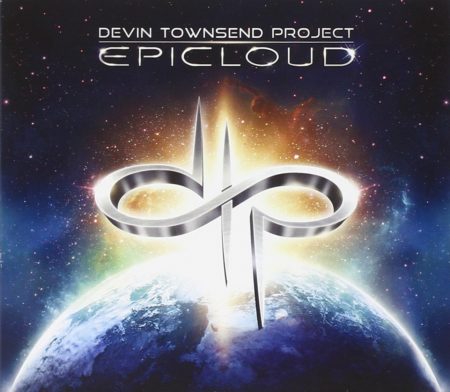
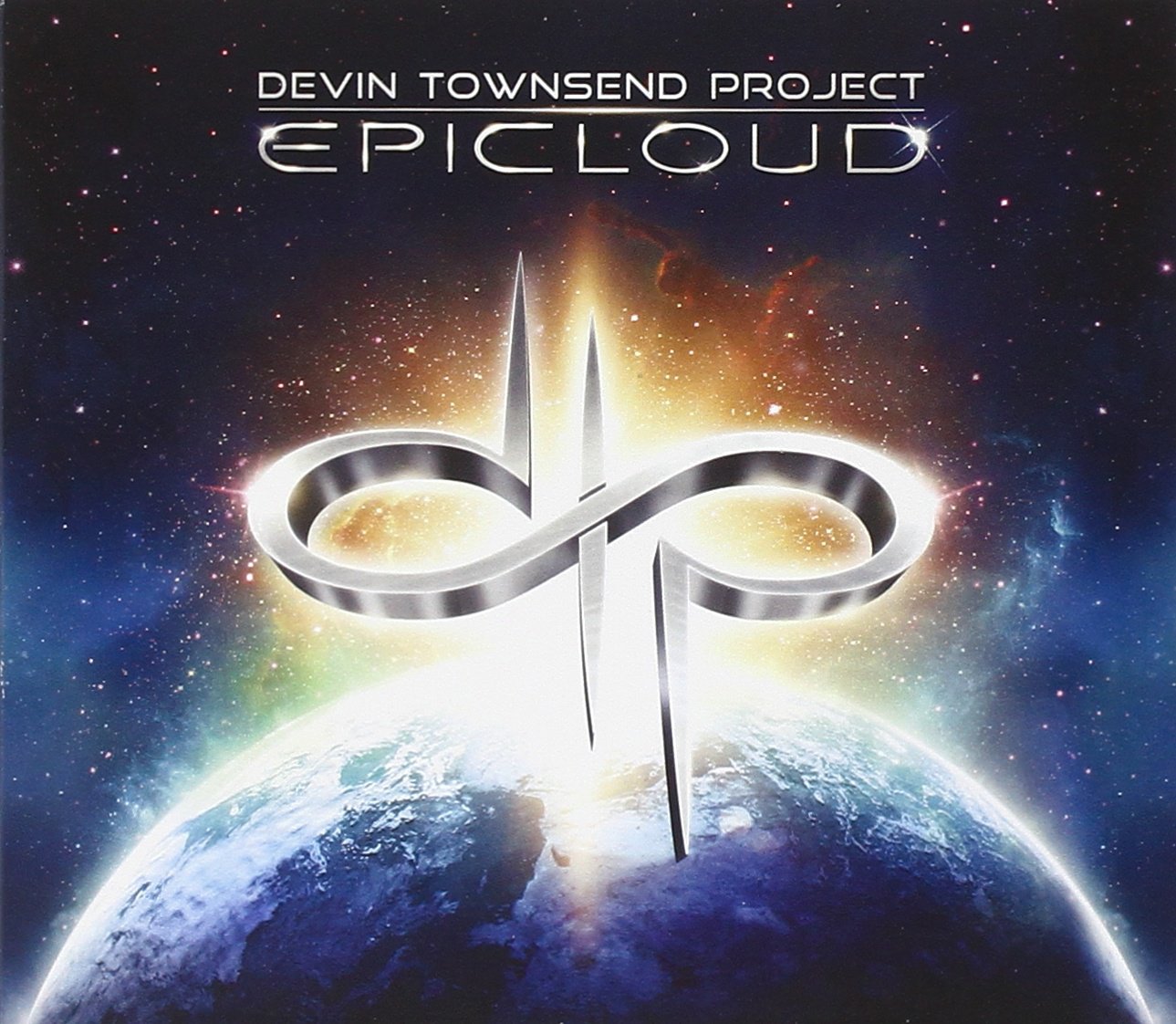
Devin Townsend’s “Epicloud”
Some music is like a friend high fiving you, some music is like a beautiful location you visit, and some music is like a drug trip. This album is like a drug trip with an enthusiastic friend into the prettiest, happiest, most overwhelming vision of outer space you can imagine. It’s huge, it’s a big big noise, it’s overwhelming, it’s amazing, it feels slightly melancholy while also being an exploration of euphoria, there is something silly and sincere and awkwardly honest about it, and when you hit play you get swept away, seamlessly being carried from song to song like being carried through the strangest montage sequence you can imagine.
I think it’s all about love and the human condition? There’s a lot of camp in it, from the swinging drums and stomping basslines to the wild vocal acrobatics that add an operatic melodrama to the whole thing. It’s huge, heavy metal, but with a pop sincerity and a beautiful dedication to letting the positive feelings be as big, overwhelming, even scary, as the negative ones. I think I cry whenever I see him play Kingdom live, and I challenge you to keep it together in the same circumstances!
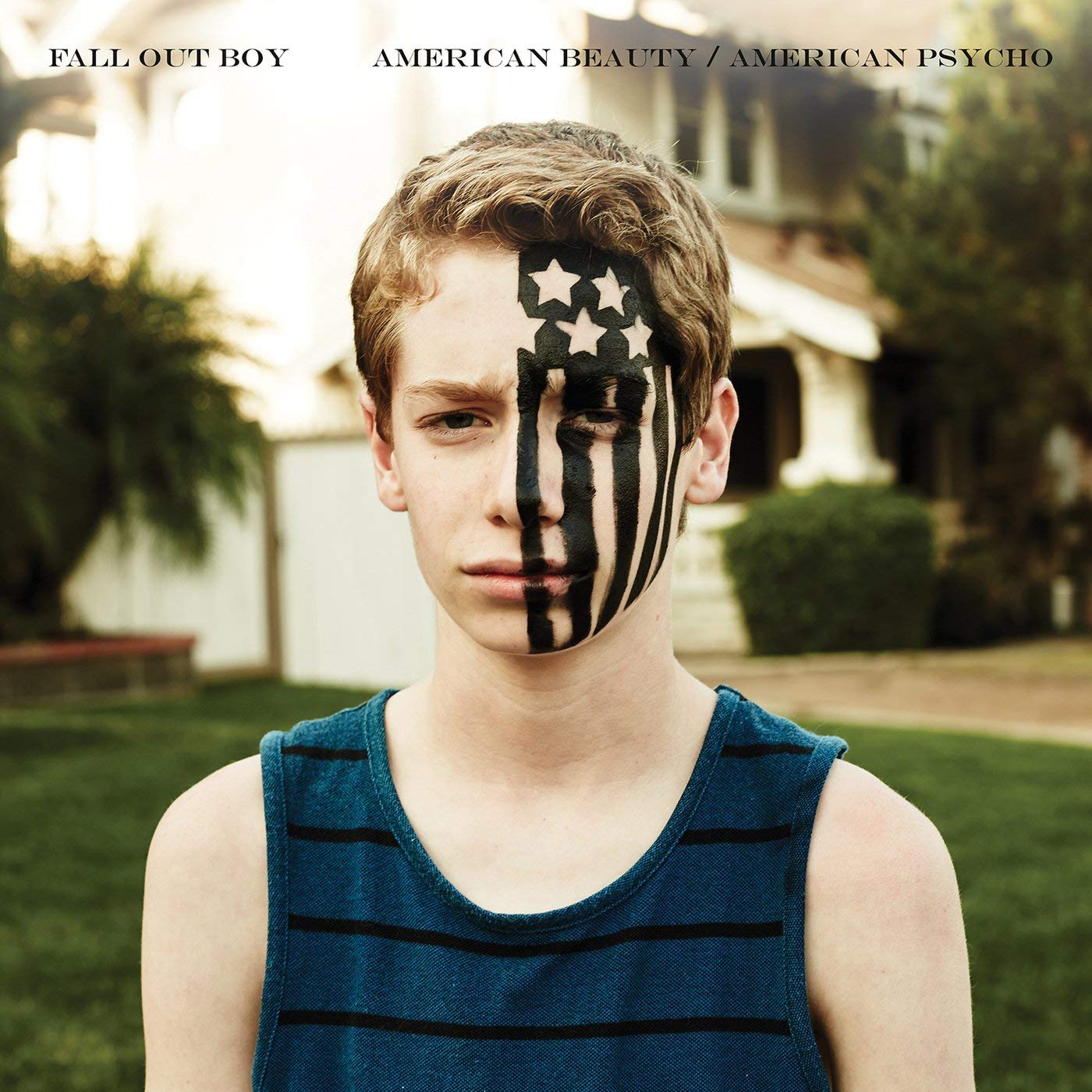
Fall Out Boy’s “American Beauty/American Psycho”
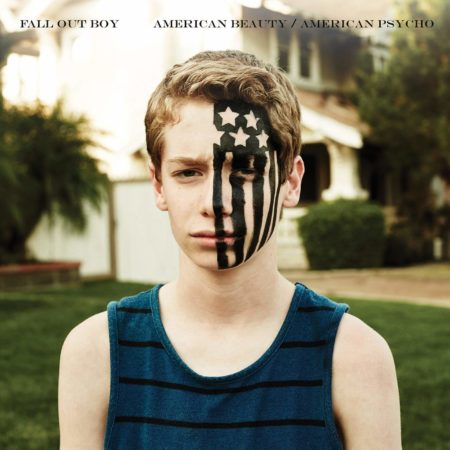
Ahahaha, did you think this was gonna be all metal? Whoops! Sorry! I also love pop music! That said, there aren’t many pop punk (pop rock? what the hell is this band playing anymore?) albums that I spin in their entirety over and over and over. I think what I like about this particular album is how consistently big, fast, and fun the songs are.
Also, much like metal, approximately once a song I catch some lyric and think to myself “oh, hey, that seems kinda fucked up?” – which I think is maybe FOB’s signature. That said, the lyrics on this album are playful and melodramatic, the production is immersive, and there’s lovely little hints of scifi and fantasy amongst all the more mundane metaphors. I love how much boy band flavour peeks through the weirdness and the big, echoing drums. It’s been out what, five years? This album definitely still slaps.
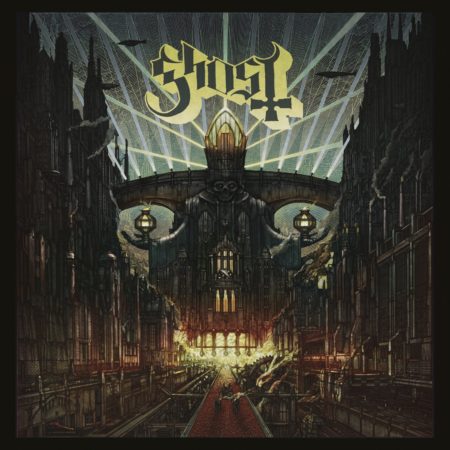
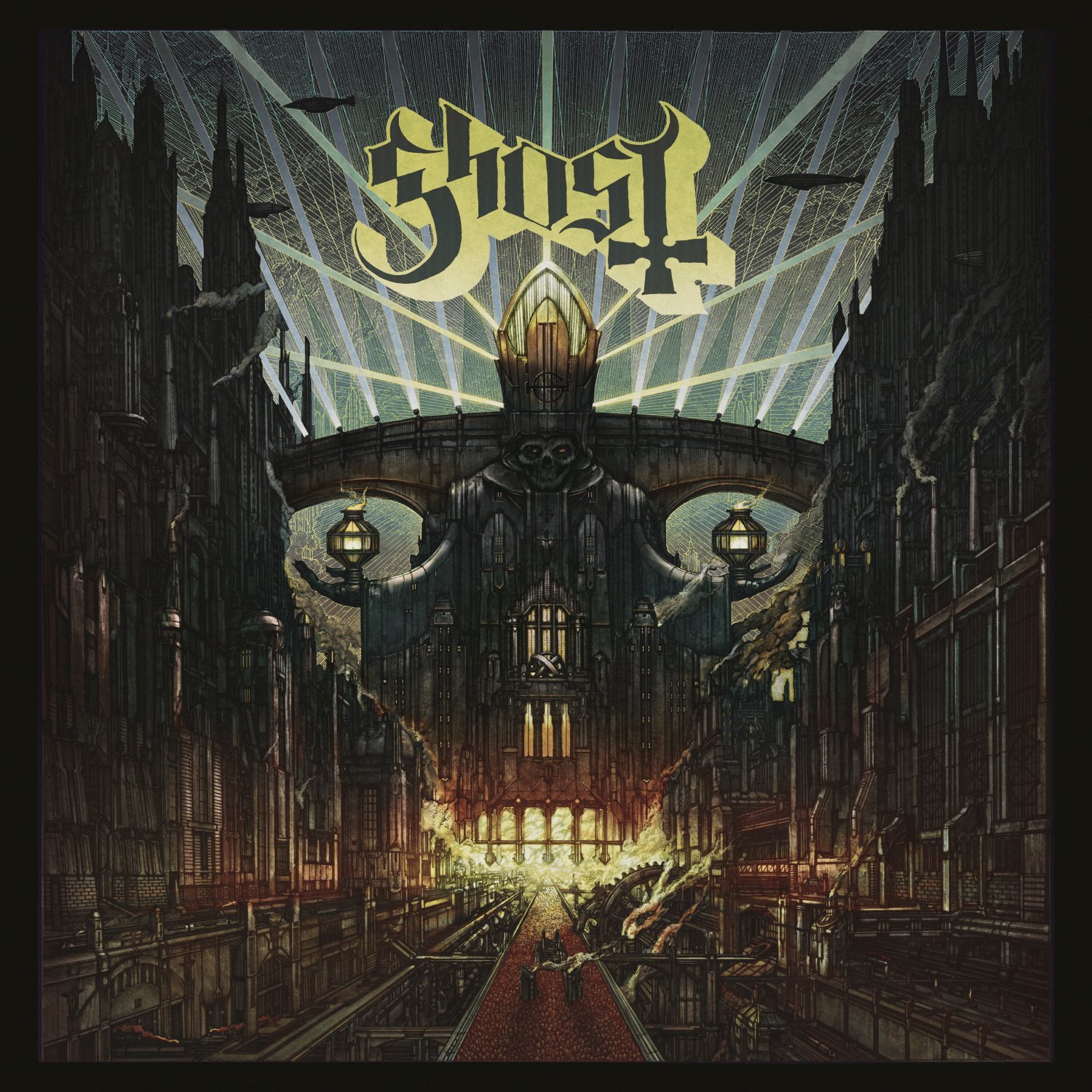
Ghost’s “Meliora”
Speaking of albums that don’t wanna commit to one genre, can we talk about HOW MUCH I listened to this album? I know Ghost is a new band with each album, but for my money this is the one to hold on to! This album’s deluxe version has a disc 2 with one original song and 5 80s music covers, and this just makes me love it more. But I don’t… really… know how to explain it? This album uses the parts of a metal band – bass, drums, guitars, keyboards, nasal vocals – to play throwback pop music, to reference 90s radio friendly industrial bands, to get witchy, to get religious (but.. for satan? I think it’s still satan they’re into on this album?) and to produce some of the catchiest goddamn songs about your immortal soul and what you should do with it that I have ever heard.
Musically I think this album makes a huge range of references and callbacks and shout outs, but I think it’s still something you can enjoy without getting any of them. It’s beautiful, and sinister, and skillfully built out of the cheesiest cheese that ever cheesed, and I still enjoy it regularly.
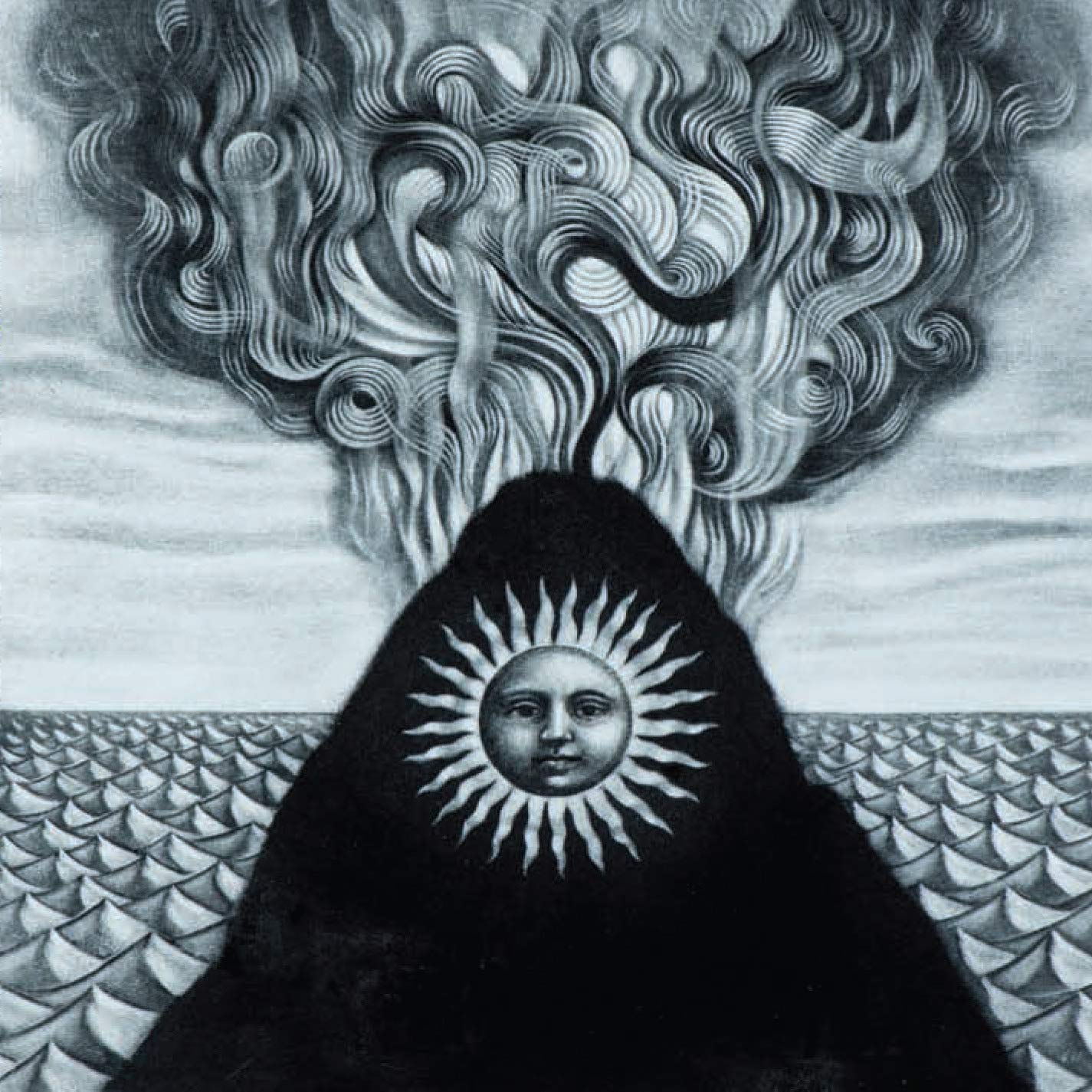
Gojira’s “Magma”
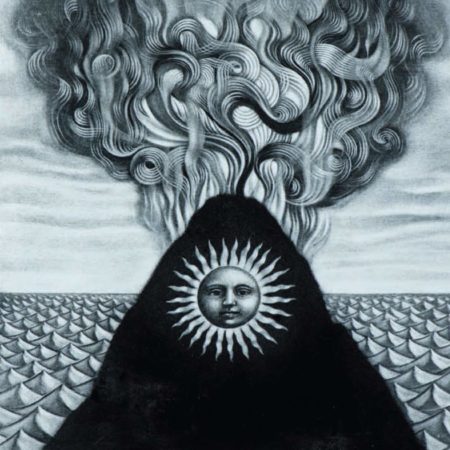
I already knew I liked Gojira, and if they’d stayed extremely heavy I’m sure I would have still gone to see them live and put a lot of time into whatever they released, but instead, folks, they cleaned up the vocals and got into atmospheric, nuanced, subtle, layered textures of (still heavy metal) music, and they put out an album with all these geological metaphors in the lyrics, and.. look it’s just wonderful. It’s full of all your favourite atonal Gojira chords and melodies, but now the dynamic range is so much broader!
This album is uncanny, it’s strange, its angry, it’s scared, it’s powerful, it’s unsettling in such a delicious way. The technical skill on display in this band is intimidating, and on this album they reign it in and point it at all sorts of unnameable feelings. This is music as landscape, music as spatial experience, music as movement and travel and journey, and it’s weird and I love it./
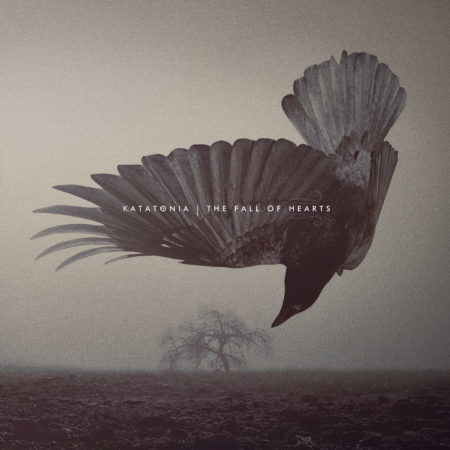
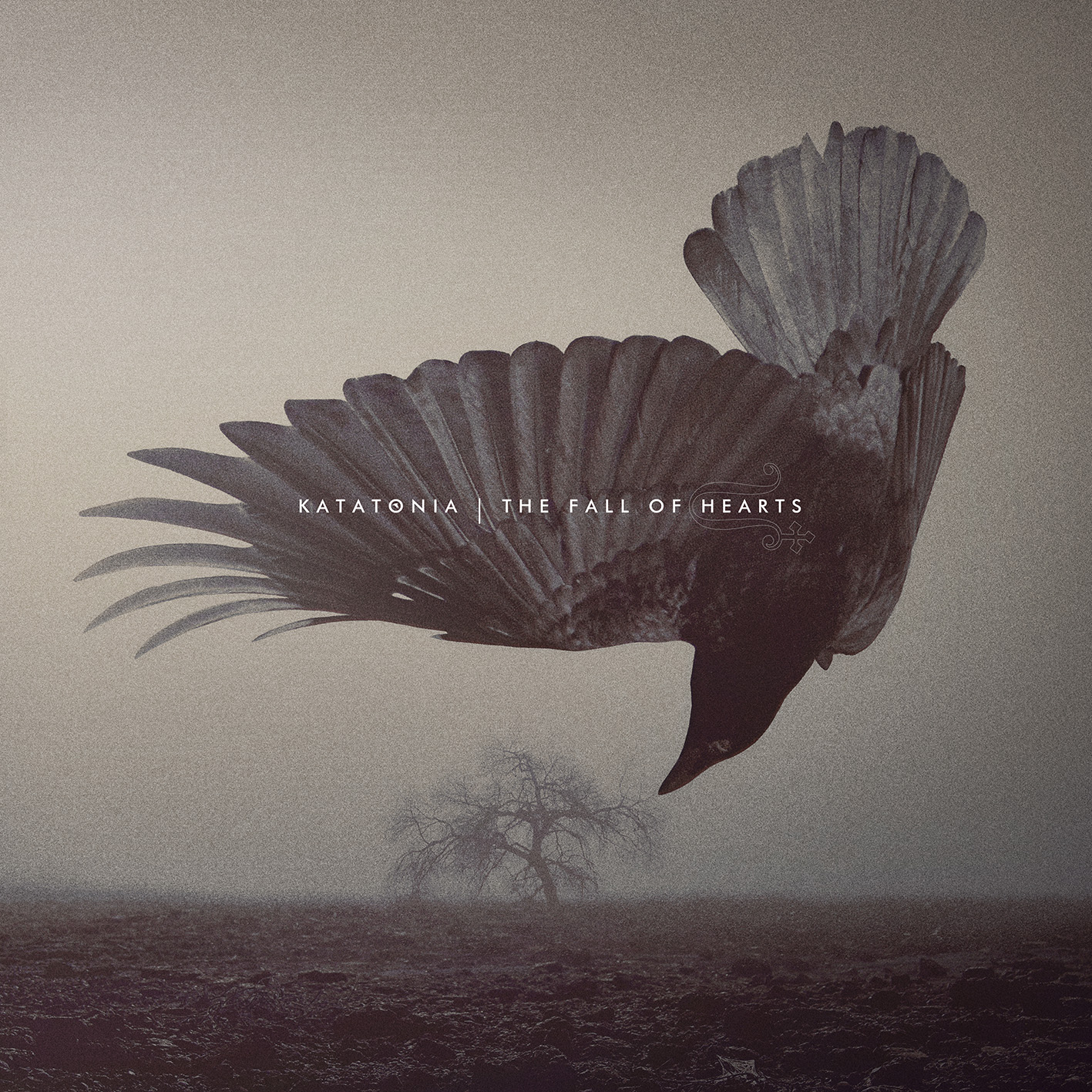
Katatonia’s “The Fall of Hearts”
Hey remember Katatonia? This band was probably one of the first metal bands I got hooked on in highschool. We joked about how emo they were, but they did what they did really, really well, and I can still really enjoy their back catalogue when I’m in the mood for that exact combination of sadness, betrayal and rage that they specialize in.
This album feels a little bit like they grew up along with me – this album is much less loud than their older stuff, committing more to being prog rock than worrying about being metal, and the feeling of the music is a lot subtler. Instead of rage, we have a kind of cold anger; instead of betrayal, there’s a bitter acceptance; instead of sadness, there’s existential despair. Don’t spin this on your happy afternoons, but when the daily commute has consumed your soul and left you a husk, Katatonia promise you you’re not alone. This album hasn’t given up at all – it’s a rock album, it’s got distorted riffs and great drums and gorgeous vocal harmonies and time signature changes. But their chosen metaphorical theme? Glaciers. And if thinking about glaciers doesn’t make you feel a little worried about the future, then you and I are very different.
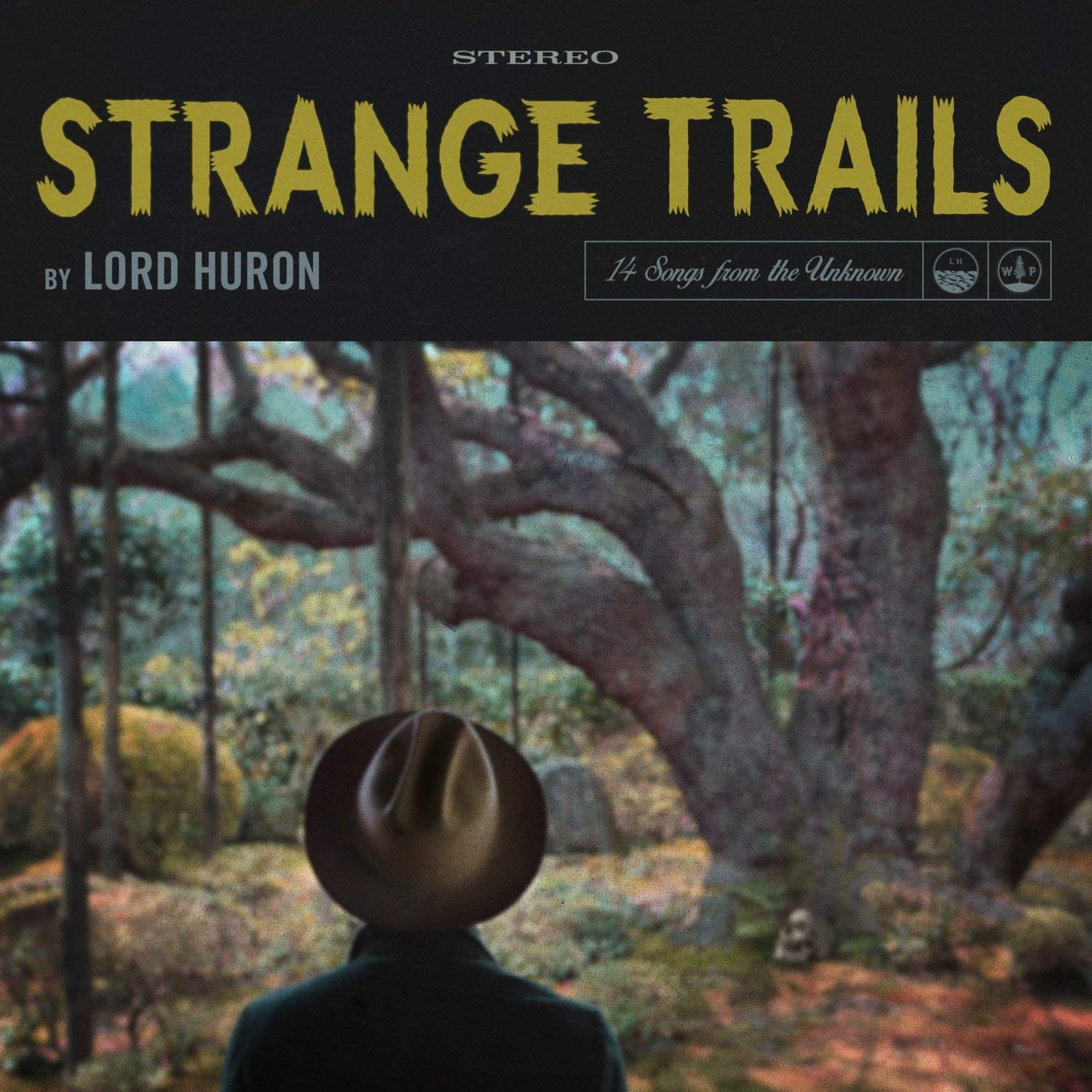
Lord Huron’s “Strange Trails”

This folk rock album is by far the most depressing, creepy, bleak, scary, horrific, and sentimental thing on this list, and it’s one of those albums I gotta be careful of when I put it on. A selection of murder ballads and ghostly folk songs, several of which are from the villains and victims’ perspectives, this album can fuck. me. right. up. Emotionally, I mean. The twangy guitars and vocal harmonies got my attention, the lyrics rewarded it, and then I had to go hug my dog for a while.
There’s dead cowboys who aren’t ready to die, there’s people who shouldn’t have gone into the woods that night, there’s men unable to leave the earth without taking their beloved with them… it’s a whole panoply of feelings from ghost stories, without really very many details about the stories themselves. And it’s catchy! These songs aren’t slow, drawn out doomy dirges – they’re playful, with walking basslines and the twangy vocals feel like they’re winking at me. This album has been fuel for writing projects since I found it, and I don’t think it’s gonna let up any time soon.
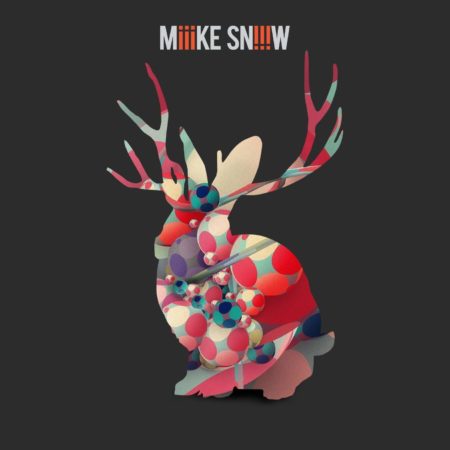
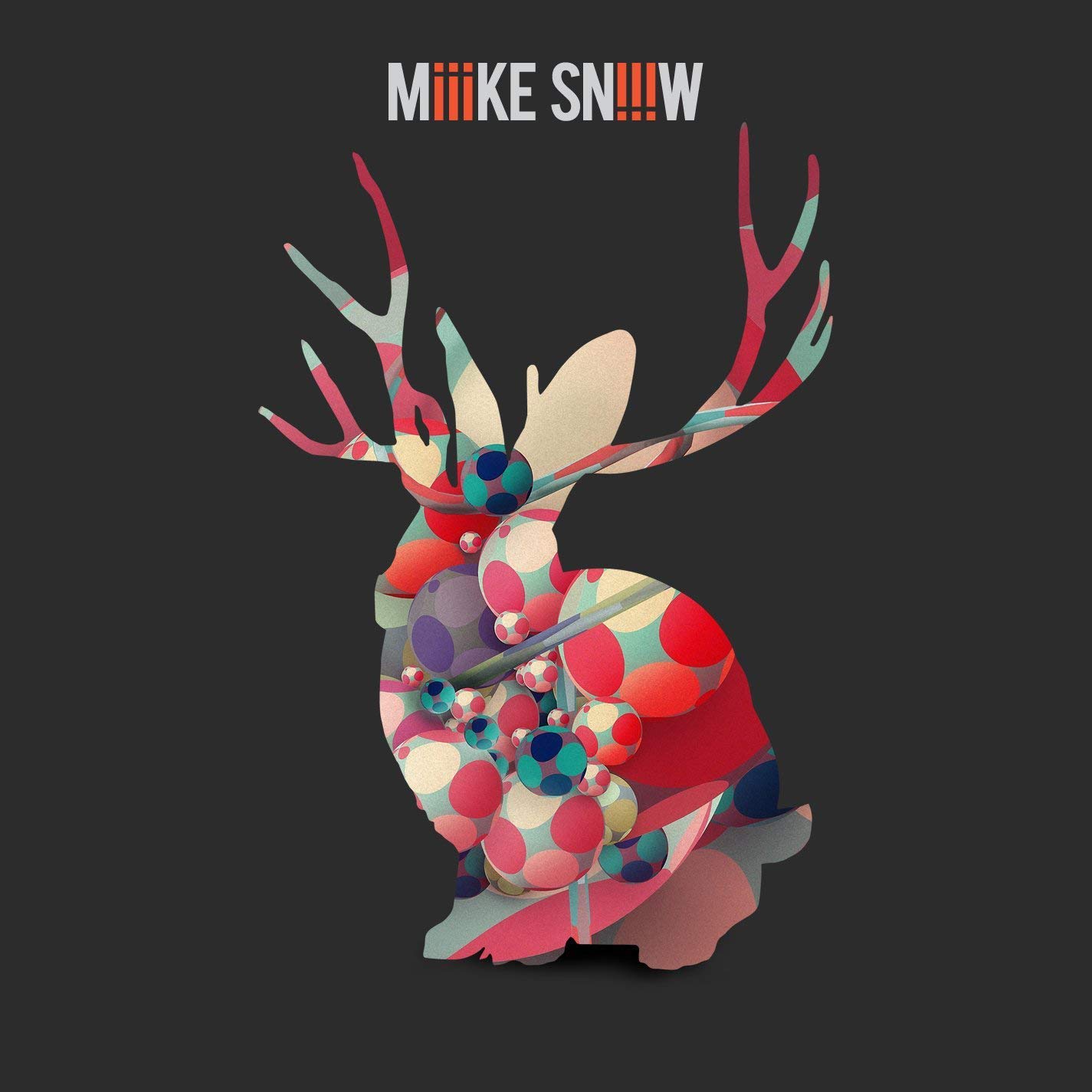
Miike Snow’s “iii”
In the other direction, here’s an album I got into because of the music videos – tongue-in-cheek, queer-coded, narrative music videos that I was mostly delighted with. It’s fun, danceable, textural pop music, with a heavy dose of nostalgic production and samples. It’s got swagger, it’s slightly sexy, it’s got a sense of humour, it’s stylish, and it’s almost completely not depressing! And perhaps, after this list, you can see why I was looking for that attribute in particular in an album or two.
I don’t listen to all that much of this genre of music, so I don’t have a lot of vocabulary for describing it, but it makes me feel like I can dance, and I think we all know I can’t, so it must be magic, right?
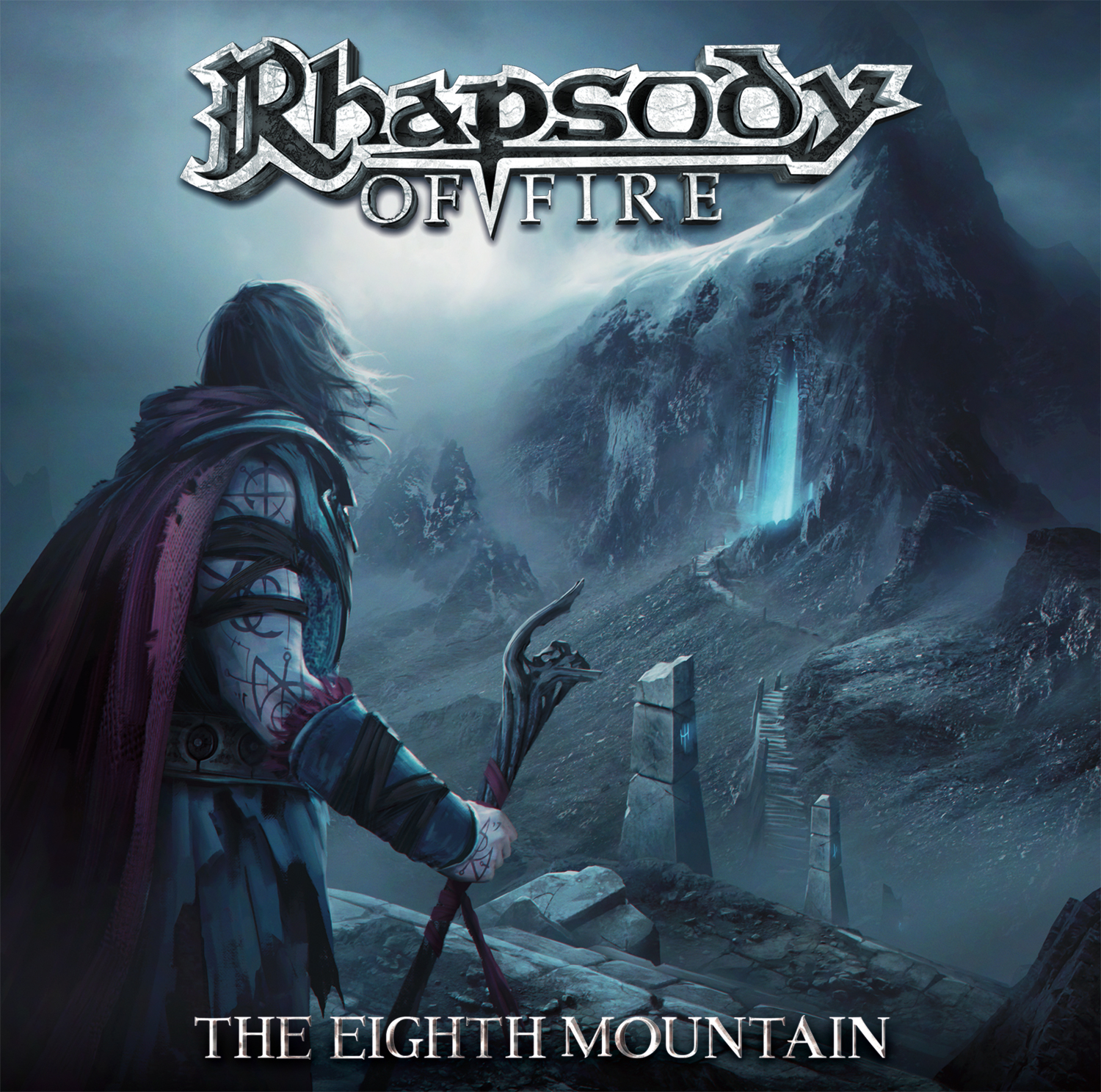
Rhapsody of Fire’s “The Eighth Mountain”
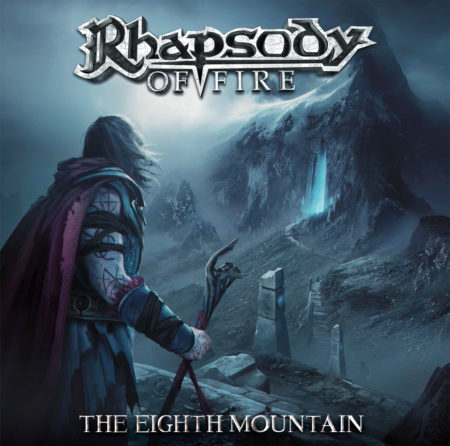
Speaking of music that doesn’t trigger an existential panic attack, have you heard of Symphonic Power Metal? Well, friends, welcome. Rhapsody of Fire have been playing it for a long time – about 25 years – and in that time they’ve barely changed a thing, just gotten access to better production and live orchestral recordings. Like most bands that old, there’s been some lineup changes, and this album has been written by a band that, if my math is correct, has almost no long term members left in it. Sometimes that bodes poorly, right? Well, not this time. This album is the best they’ve put out in YEARS. I can’t stop listening to it! It’s huge, it’s fast, it’s obscenely melodramatic, it’s full of catchy as fuck riffs, there’s awesome vocal melodies, the songs feel huge, and the lyrics are unparseably cheesy – just like I like it.
My theory is that everyone in the band is a huge fan of the band, and have thus distilled it to its essence. (On that note, though, if you made whisky out of a Rhapsody album, I think it would be rainbow coloured and frighteningly high proof, and there would be a sword on the bottle.) Like… every? Rhapsody album, this one is a concept album, the first of what they are calling a new saga, which, if I understand it correctly, is a concept discography of concept albums. Which means they are starting to tell a story here that they intend to keep telling for several more albums. Yes, they’ve done this before. No, I can’t make heads nor tails of the plot summaries of the previous sagas. No, it doesn’t matter. If you like your music fast, full of magic and sword fights and enormous melodrama, you might just like this perfect album. Also, if you’re making an enemies-to-lovers FMV for your fav anime, they probably wrote Warrior Heart just for you!
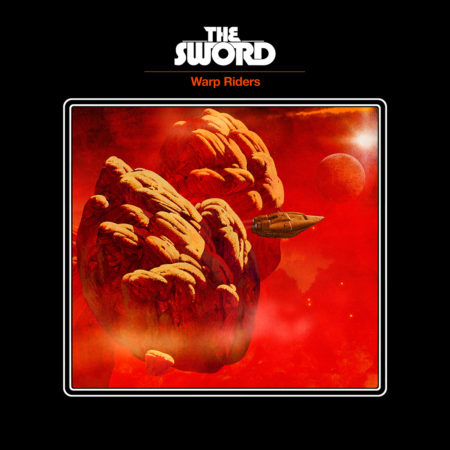
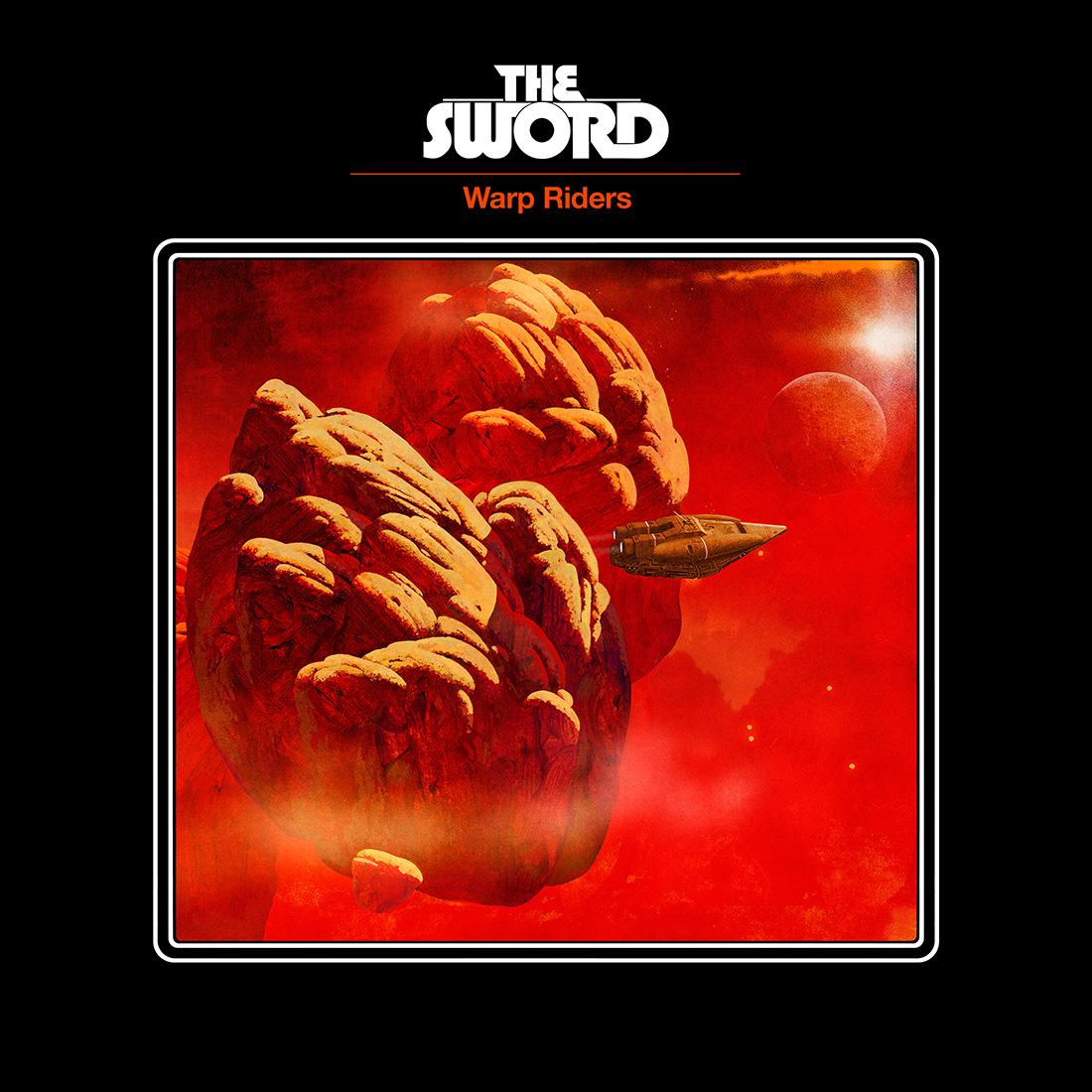
The Sword’s “Warp Riders”
Another concept album for y’all, which might be a theme you’re noticing here? I apologize for nothing. This album fucking rips. It’s fuzzy as fuck; it’s about outer space – and also wizards? – it’s got Dan McPharlin on the cover art; it’s unbelievably catchy; it sounds like it was recorded decades ago and preserved perfectly in a scifi vault.
The cymbals never stop and I don’t want them to. There’s multiple instrumental tracks and they are maybe the best tracks on the album? But not because the vocals suck. The vocals do exactly what I want them to do, which is tell me about a fucking chronomancer. About warp riders. About OUTER SPACE. And they consistently rhyme! It’s so, so headbangable. Somehow you can hear every layer of the music, even when it feels overwhelming. It’s heavy and fun and a little overwhelmingly big but it’s here to party, folks. In space.
Twilight Force’s “Heroes of Mighty Magic”
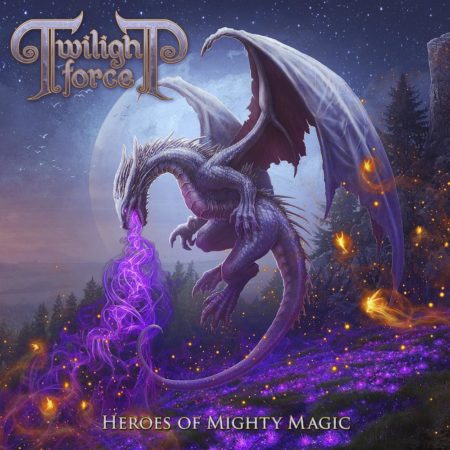
Presenting an entire album of pure, distilled, unrestrained, focused, costumed band member personas, fantasy metal. Does this sound like a band that wanted to be Rhapsody? I mean, maybe. But then they got those sparkly wind chimes to put on every song, and now this album feels like the musical equivalent of what would happen if Lisa Frank made a D&D bestiary. Rhapsody are pretentious, wonderfully, and I love them, but this shit? This is what happens when you get so sincere about unicorns you go super-saiyan. It’s powdered sugar covered speed metal.
It’s technically incredibly solid – the songs are catchy as fuck, the lyrics are a panoply of fantasy words put together, there’s a through-line plot that I don’t really worry about, and there’s a music video for Flight of the Sapphire Dragon that looks like a late 90s art filmmaker followed around a boffer LARP group as they played through a full day in character. I fucking love it, and if this sounds tempting to you, you might too!
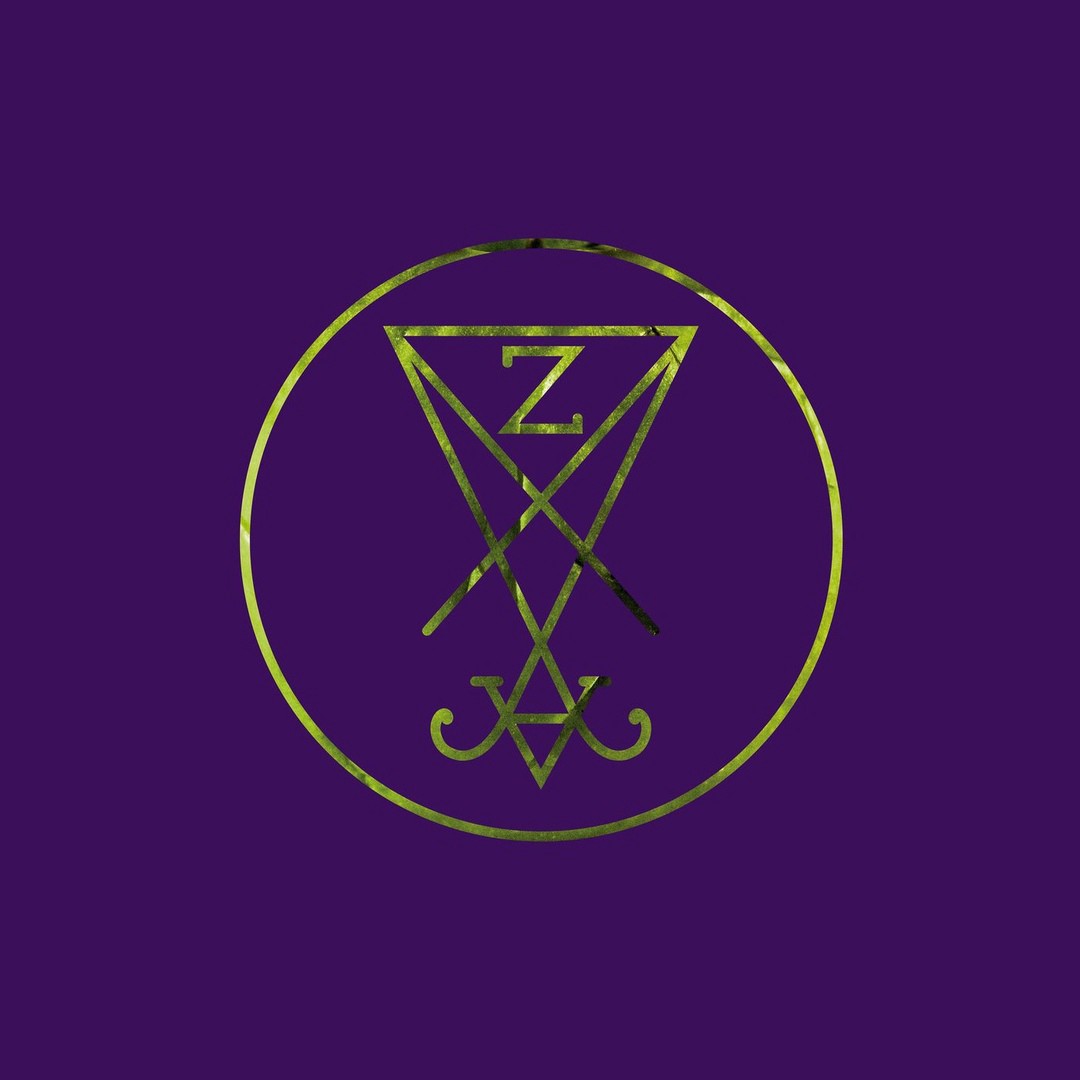
Zeal & Ardor’s “Stranger Fruit”
Oh, friends. Put the dragons away, come home from outer space, and let’s talk about this album. If you caught the reference in the title, you might have some idea of what this is about, but the track listing should help you put your finger on the intersection of black metal satanic rage and black american lived experience rage. Of everything on this list, I think this album is the most deserving of your time. There is nothing out there like this; there is no one else in metal doing this at this scale yet. I cannot wait till we have a whole subgenre of metal that puts the musical and cultural origins of blues music back into black metal, doom metal, thrash metal, death metal, fucking all of it. Rage is a big feeling, a big emotion, that heavy metal loves to explore and elevate, and I think this album is an incredible example of why that can be timely and meaningful and have something insistent and significant to say.
This is also probably the single most accessible black metal album I have ever heard – it’s beautifully produced, it’s so many more genres than black metal, it’s catchy, it feels lyrically effortless – almost inevitable – and it is utterly immersive. There’s creepy and beautiful vocal harmonies; there’s screeching tremolo guitars; there’s sternum-shaking drums; there’s beautifully artsy instrumental interludes. The lyrics feel like prophecy and memorial and a highly individual need for and promise of retribution. Metal often leaves me feeling like I can’t really understand everything that’s happening on an album, and as a white person I’m very sure that’s the case here, so please let me know in the comments if I’ve fundamentally misunderstood something.
So, yeah, eh? It’s been a good decade for music, even if, like me, you’re kind of hopelessly out of touch with much of the biggest genres of music right now. If this new world of streaming and bandcamp and soundcloud musicians means I get to buy more Zeal & Ardor albums, then it’s absolutely a good thing.
Please give these bands your money so they can keep making music – you know how to do that. And if you have a fav album from the past 10 years, hop in the comments and tell me about it!
-
I am immensely, hugely, unbelievably grateful for getting to spend so much of the past decade making art! And between comics, games, personal artwork and client illustrations, it’s a big pile of work, and honestly, I don’t want to try and put it in any kind of hierarchy, because what the heck do I know?
However, I thought it might be fun to do a retrospective of one of my favourite themes from the past decade – people exploring forests.
So here, friends, is a huge (2k+ px wide) collage of all the images I could easily dig up that hit that particular note – starting in ~2010 and including work done this year. Click it to go to the full-res version if you want to see these images in more detail!
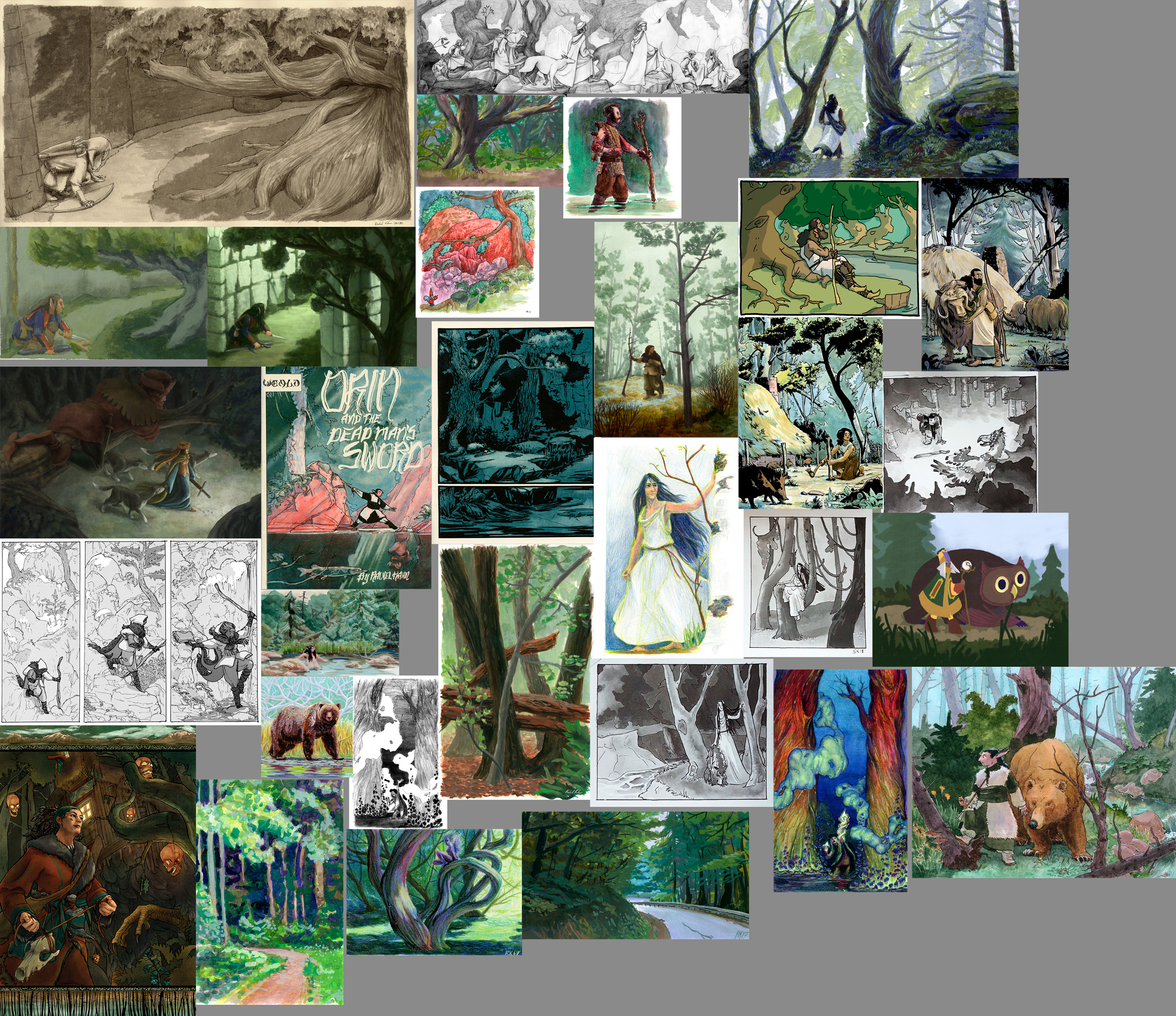
I’ve included drawings and paintings, comics and character sketches, digital and traditional, and also I’ve included a few plein air studies of forests and forest paths, since that’s been a part of my practice as well!
You’ll notice some themes, some trends in colour, a fondness for bears, and a few recurring themes. You’ll also notice that I redrew a few particular images over and over again! I had forgotten how many times I’d drawn that little adventurer between the wall and the tree, but there’s even more colour comps I didn’t include here. Guess it just spoke to me!
If I were to blame one thing for my love of forests, it’s fairy tales. Reading Brothers Grimm and Hans Christian Andersen collections from a young age definitely created a kind of mythic forest in my mind – a possibility space where anything could happen, where magic is guaranteed. And being lucky enough to live in Southern Ontario, where we have some magnificent forests and a bazillion provincial parks designed to help connect us to them, I have a lot of inspiration around me as well.
The work on this collage trends from oldest in the top left to newest in the bottom right, but it’s not a rigid organization – partially because I don’t really remember when some pieces were drawn, and partially because pieces like the comics, the repaints, the iterations, might have been worked on and improved significantly in sessions multiple years apart. Dating artwork is hard, it turns out! You might also notice that the quality level is not, say, a linear progression. My ability to polish an image, to render something well, to bring something to finish, is as much a factor of where my focus is at in the moment as it is my general skill level. So while I am 100% certain that I’ve improved at figure drawing, composition, storytelling, staging, shape design, I also think I’m much less likely to TRY and polish the heck out of an image these days! So that definitely changes the read.
I don’t intend to stop drawing forests and forest explorers any time soon – it’s clearly a rewarding theme, and also, I just heckin’ love trees, folks! Gonna enjoy me some trees!
My question for you is, what are the themes in your work that keep showing up? Do you have a few years – or even a decade – of a theme that you can collect and reflect on? Share some artwork in the comments!

Leave a Reply