I’m enjoying not only posting on and browsing photos via iNaturalist, I’m also having a blast seeing how other people are getting something out of it!
Laura’s been posting about it on her blog this year too – there’s a strong data-parsing angle in Laura’s blog posts, finding interesting stories as single examples or as revealed en masse in big datasets, and it’s great to read her writing on her work and the work of scientists doing just that with the publicly available data on iNat:


Laura also created a fantastically specific website, casualty.report, that shows the most recently modified research-grade1 photo of a mammal bone from iNaturalist:
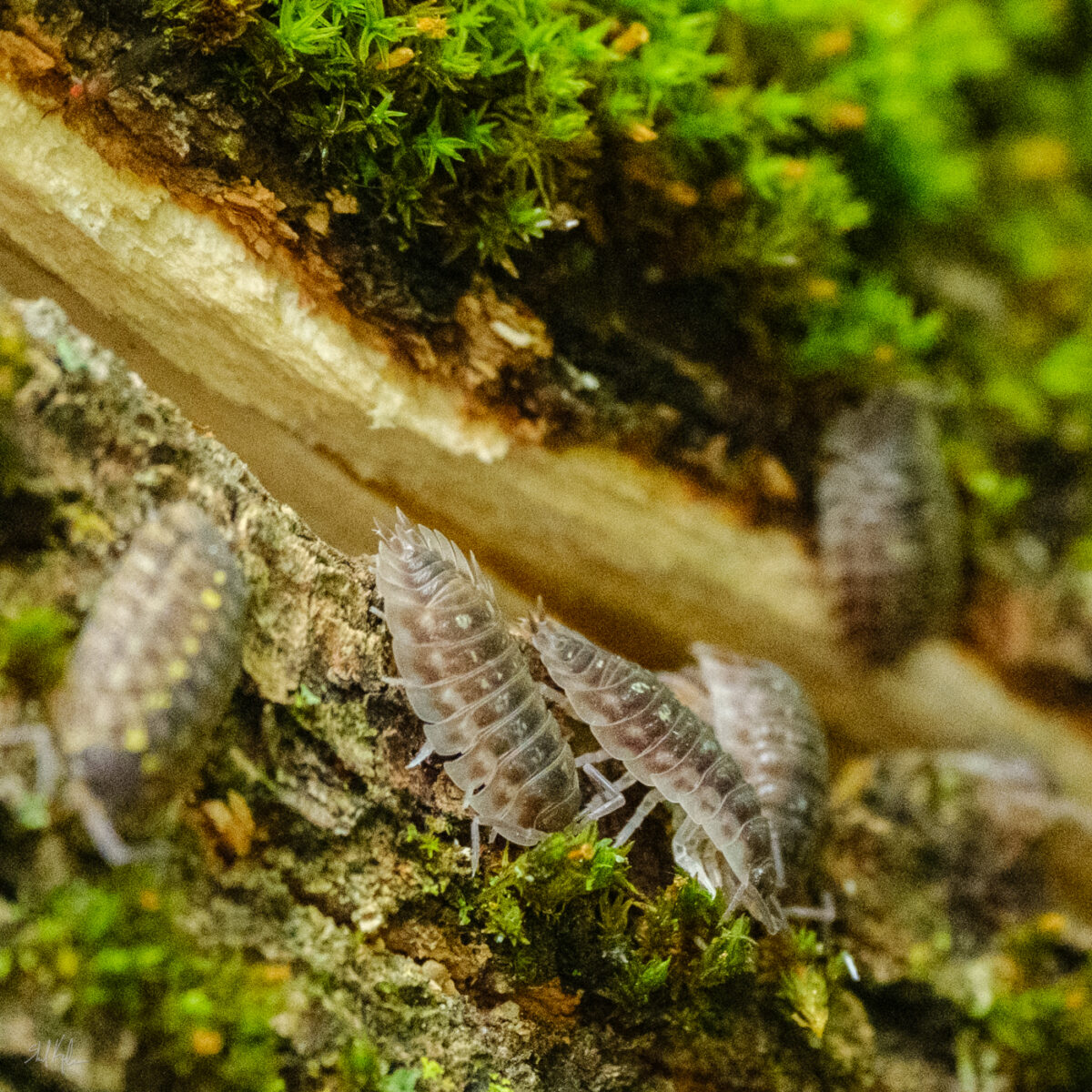
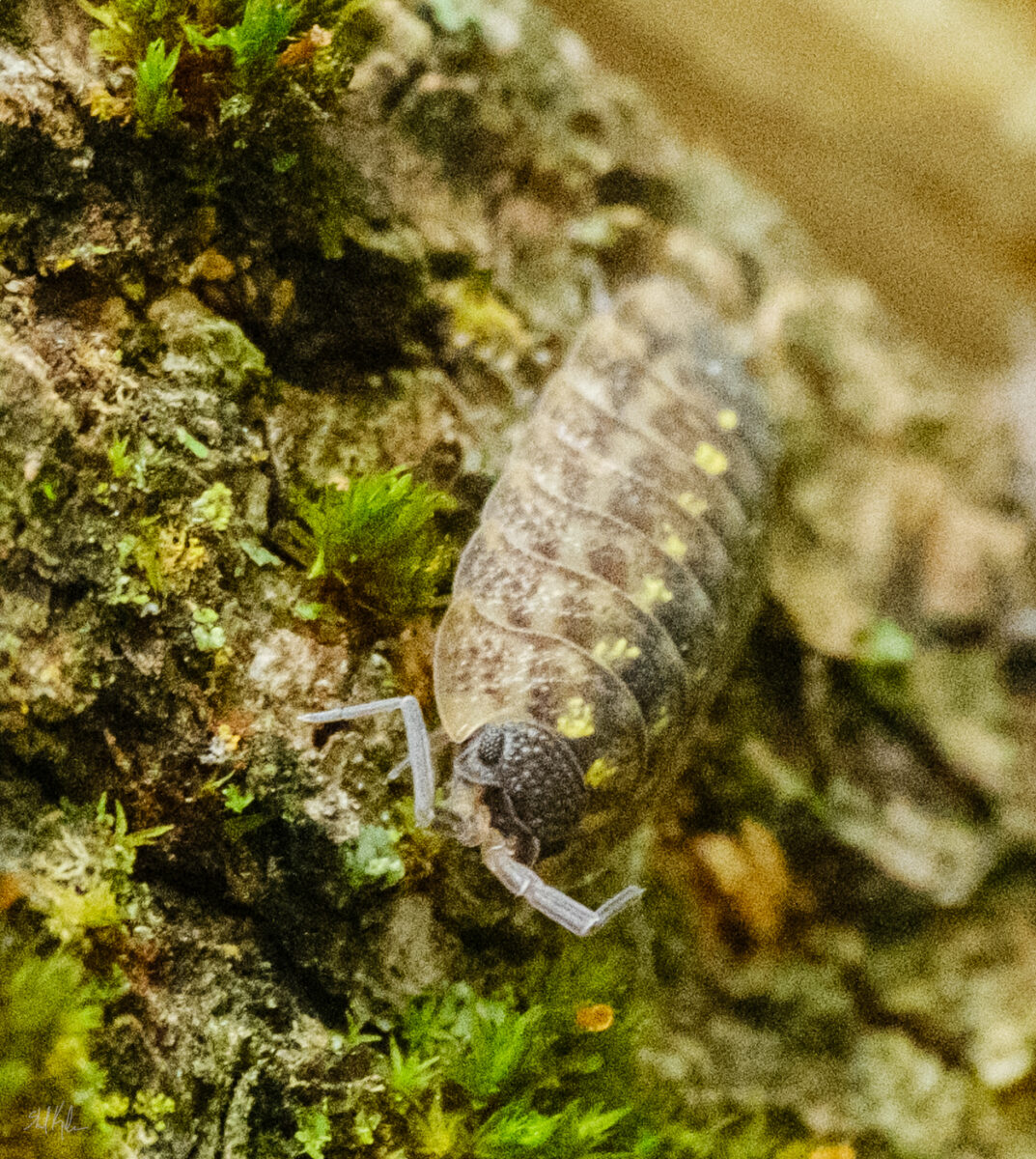
Laura lives on the opposite side of the continent from me, in a hugely different ecosystem, with one of those species-dividing mountain ranges running between us, so following her on iNaturalist is a great way for me to be an ecotourist in my own right. I’m learning a lot about lizards2, and judging from her favourites of my observations, she’s having fun with my photos of our many and varied southern ontario pillbugs and woodlice. Pretty sure this is, once again, something classically good about the internet!
- Research-grade means that multiple identifiers have agreed on what species something is. it’s a broad filter for decently accurate identification, though I would bet papers are being written on common pitfalls of mass ID. ↩︎
- I’ve ruined my computer with my absurd fantasy writing such that autocorrect REALLY thought I meant “wizards” here AND it took a few rereads for me to realize that no, actually, I didn’t. ↩︎

Leave a Reply