swap to chronological order of most recently modified
-
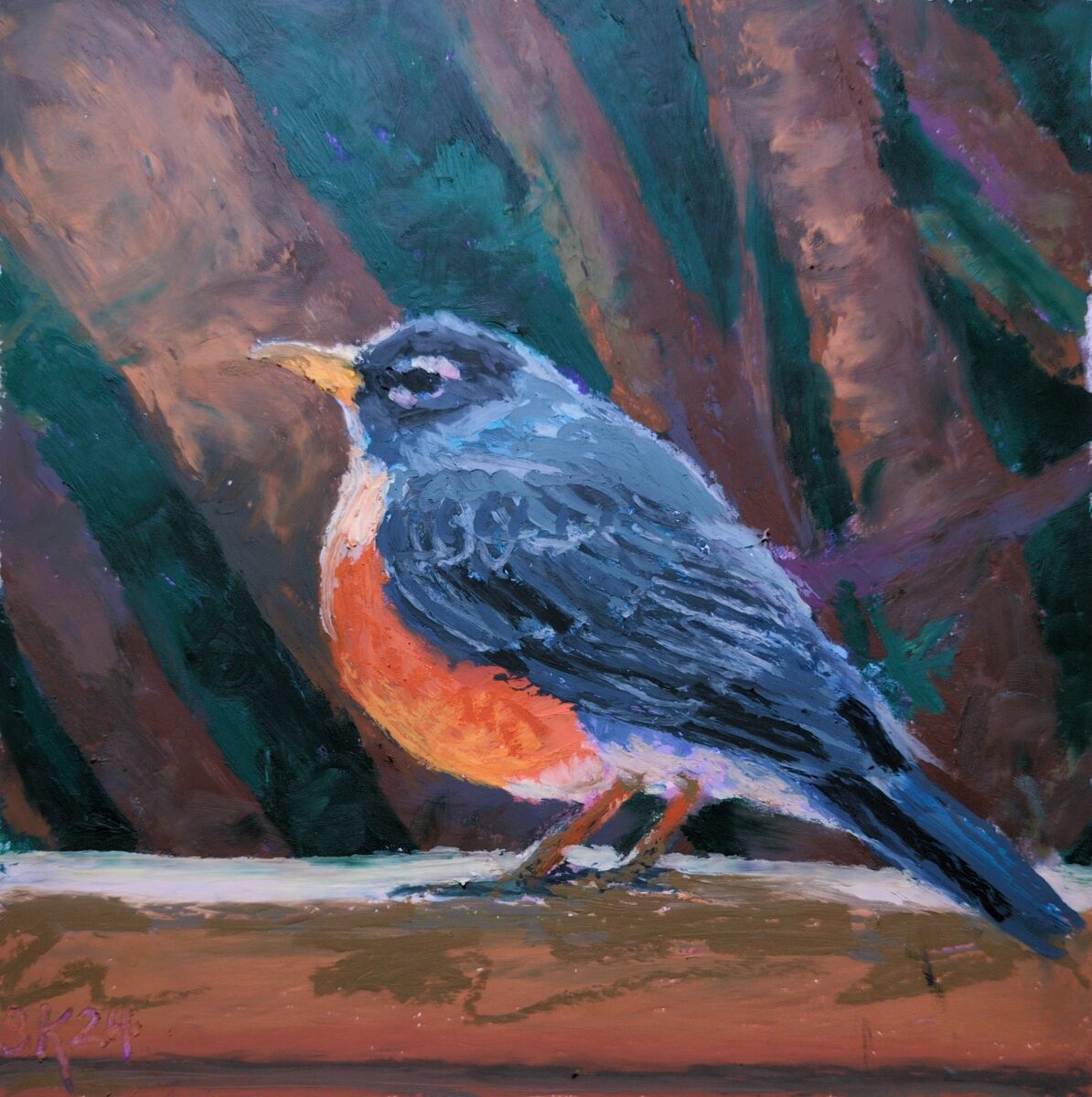
I’ve been doing studies in the Robert Bateman brand sketchbooks, which are a pretty smooth vellum surface; the oil pastel slides around wildly on them but gosh it’s fun! This drawing is maybe 7 x 7″ or so in size. Reffed my own photo.
Again I did an underdrawing with the cray-pas expressionist oil pastels – they hold a decent point and are very easy to layer over with softer brands like mungyo, haiya, or god help me sennellier.
-
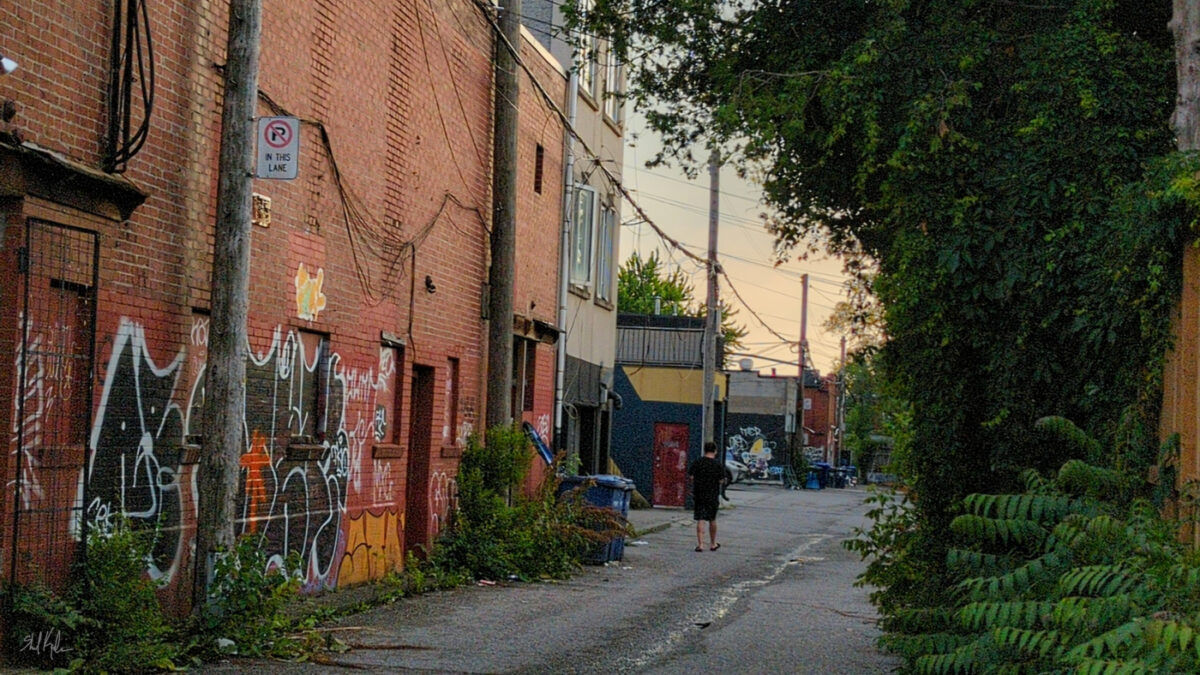
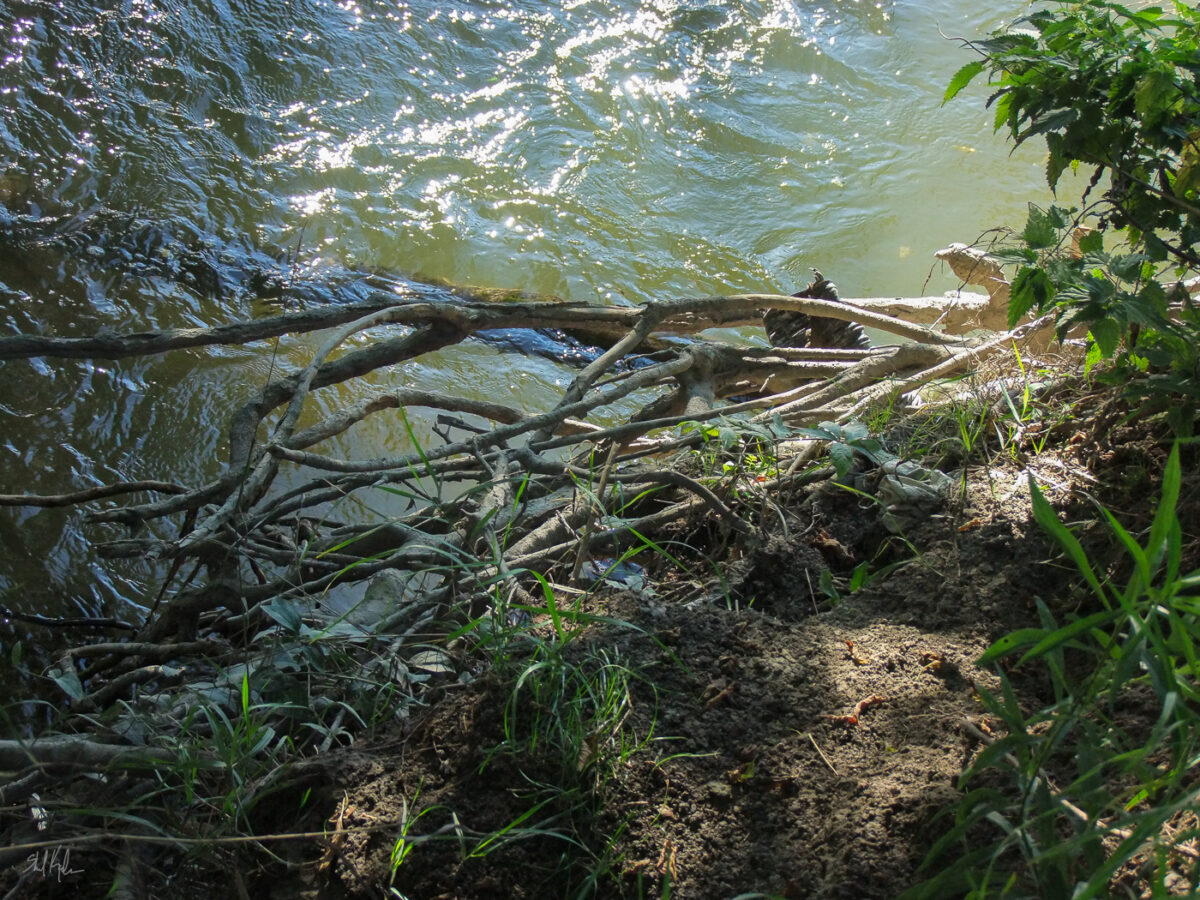
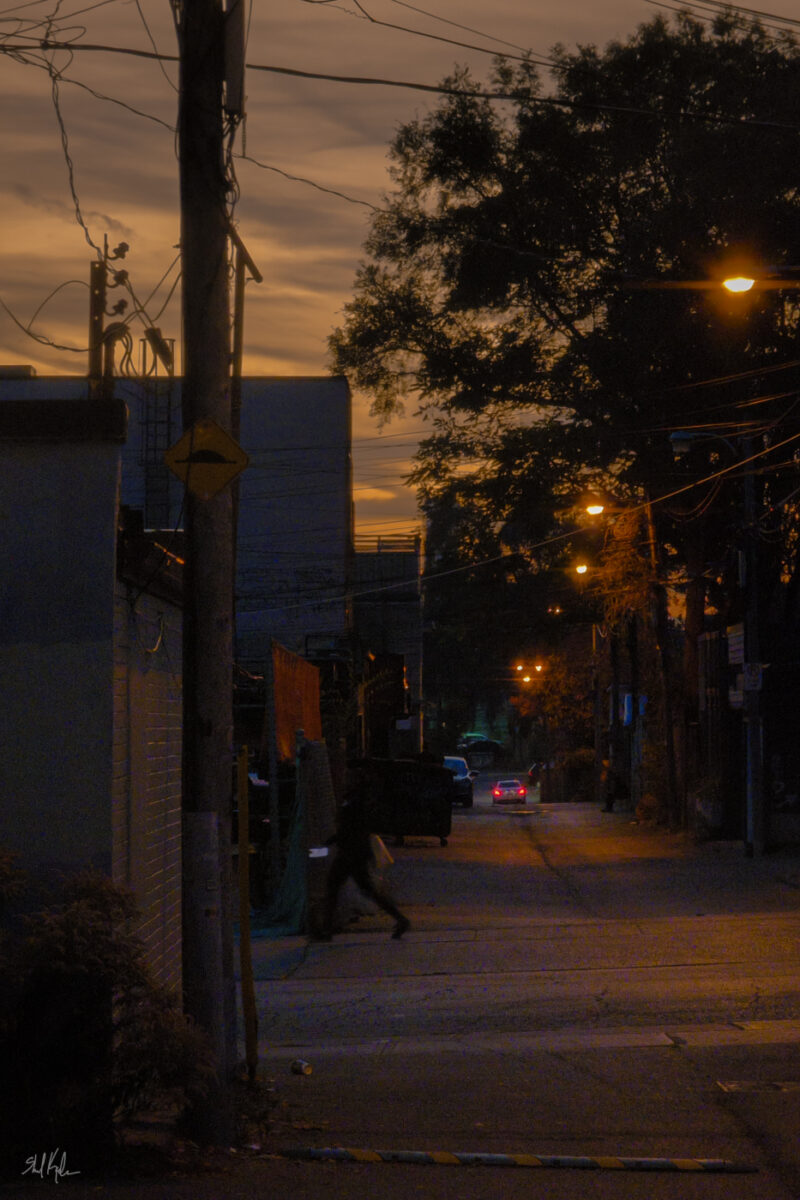
With the death of cohost, I have tried to make sure to catch my favourite cohost photography folks’ new rss feeds as best I can! And seems worthwhile to share these links with you – if you find something in my photos I bet you’ll see something worthwhile in the photos that make me drop my jaw and pick up my camera(phone)!
Em Sharnoff’s delicate value contrrol and wistful compositions really work for me! See the range here:
Photos | sharnoff.io
I’m reposting a few shots below; pleaase click through to see them in situ; the albums really add something to each individual photo, I think:

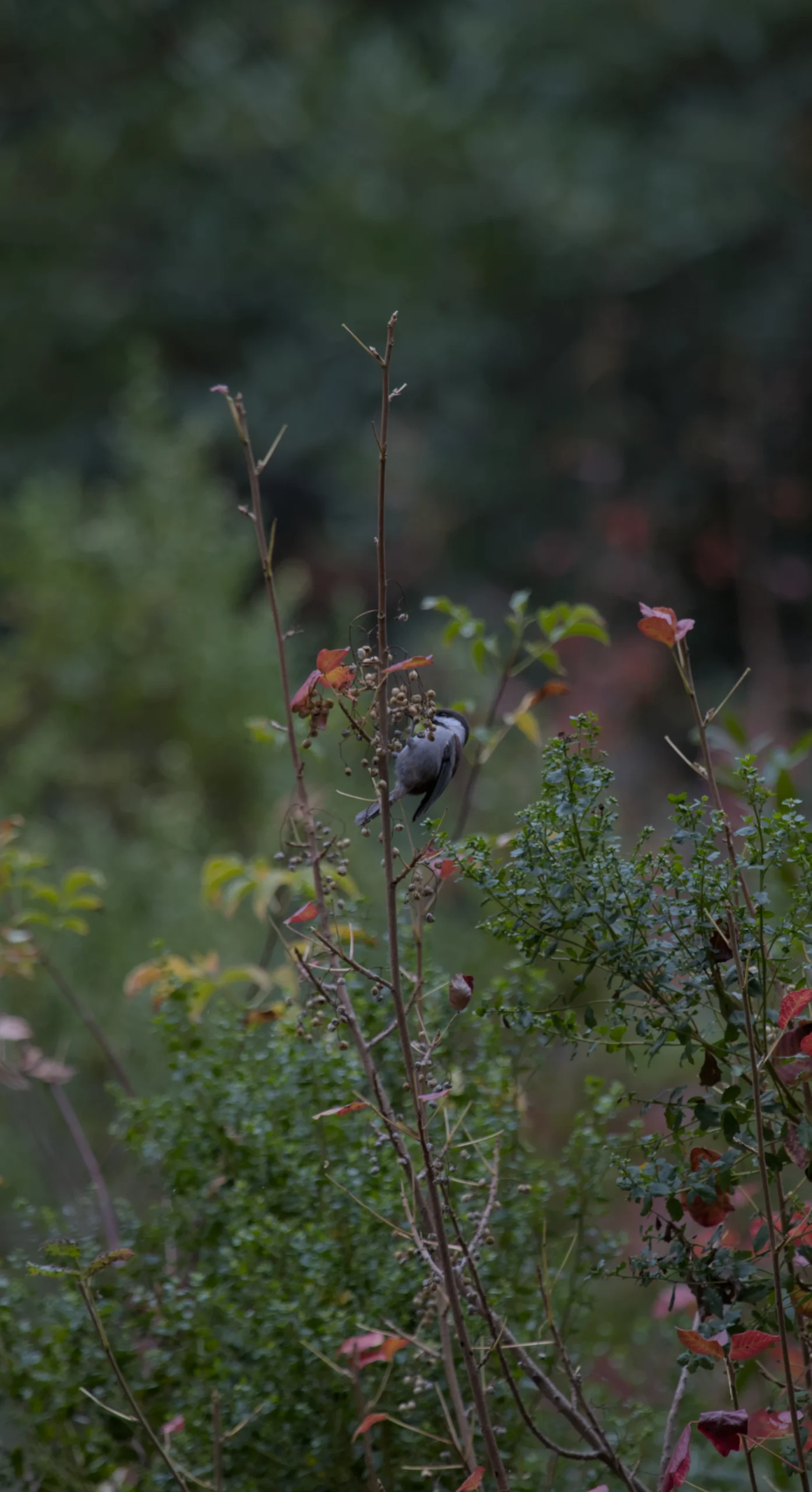


Em Sharnoff is an impressive wildlife photographer too – check out this album full to bursting with beautiful captures:

-
one year of arm stuff – part 9 – accessibility is a thing though! what about adaptive devices?
posted:
updated:
posted to: lifeOkay so this is as good a place as any for this disclaimer: I am sharing my specific personal experience with disability, not speaking to the experience of everyone with any related or similar-sounding disabillities. I have lived with this particular disability for one year; i do not have a lifetime of experience, and additionally, I have been told by my medical team that I need to keep pushing myself to use my recovering arm as much as I can, to help my brain and my new nerves connect properly. I have not had the time and am not supposed to go all in on adapting my whole life to this condition, as we expect my condition to change. This is a unique and different experience of the loss of use of one’s dominant hand and cannot be treated as universal. People are experts in their own conditions and experiences and don’t you DARE use what I write here to make another disabled person feel like shit.
nerve-graft georg is an outlier adn should not be counted
But also I am faced every day with the infinite depths of my own internalized ableism, and I know for certain that it laces its poison into everything I do and every thought i have about what I am going through. If I am putting things in this essay that actively misrepresent you, another disabled person, please do reach out and tell me so I can try and make it better. the balance between my personal experience and the general inclination of the public to universalize any new fact they learn is a tough one to keep always.
Okay, with that out of the way, a few thoughts on adaptive tools, lifestyle changes, etcetera:
They are at least 50% awful, marginally useful, hugely frustrating, and deeply paternalizing and condescending.
There are also some real miracles out there, amazing devices and tools and software and techniques and so forth!
And almost none of it is easy to use right out of the gate. Everything has a learning curve. I have constantly been doing the math on how much time I can afford to spend on learning something vs how much time it will save me once i know how to use it, especially in the changing context of my condition and recovery.
For example: one-handed typing.
Since I knew from May that I would be going into a period of left-hand-dominantness, I had five months to start training myself to function with my left hand. One of my biggest concerns was typing. Prior to my fingers growing weak, I had been a 140word-per-minute typist. I could touch-type at a high speed with good accuracy still and it was a huge boon to me professionally in my admin-heavy dayjob, and personally in my text correspondence and self publishing and self promotion practices online. I would have said I could type almost as fast as I could think.
So the first order of business was figuring out how fast I could get with just my left hand. And I started the journey down the rabbit hole of one-handed keyboard approaches.
This is where a key point from my disclaimer should come back to you: we expect my condition to change. While I may never type at 140wpm again, I did hope to bring my right hand back to the keyboard eventually. And I didn’t want to throw out all the touch typing knowledge that I already had – the left hand wrangles a LOT of typing and a lot of keyboard shortcuts and being able to do those without looking still had some benefit.
So right away I knew I wasn’t interested in a bespoke keyboard layout.
Which is good, because as far as I could tell, they cost around $2k canadian on average.
And they all have their own unique different key layouts.
And they all seem to be made by companies less than ten years old, meaning there’s no way to know if they’ll exist to make a replacement if mine is lost or broken in the future.
And actually this all seems really fucking stressful? No transferrable learning between them all, twenty different layouts out there, and almost none made by major reputable keyboard companies? With something as core a skill to me as typing, the thought of relearning it from scratch only to have the tool I learned go obsolete, locking me into a cycle of having to restart over and over and over again…
And additionally, I also wanted to be able to type at a friend’s house on their keyboard. I want to be able to function on the standard keyboards I can expect to encounter out in the world. That felt infuriating to give up!
But then again, some of these layouts looked ingenious. If this was something I was at all able to think of as a fun experiment, I would have loved trying a few different layouts, especially the chord typing stuff. That sounds so smart and efficient! So ergonimic! So cool! Such a fun thing to investigate!
But financially and emotionally I did not have the budget for that angle.
So I committed to learning to type one-handed on a QWERTY keyboard. I’m not the first and there’s a lot of great resources out there including typing training! And one thing people talked about in their discussions of this was wanting smaller keyboards, so that it was easy to reach from A to P with a single hand. That made some sense to me, so I started looking into smaller keyboards.
Well the internet would love to sell me a 60% sized handbuilt custom switches beautiful keycaps gaming/mechanical keyboard! For $400+!
And it turns out that’s actually not even solving my problem – most keyboards online labled as “small” are smaller because they are missing keys (such as the numpad) not because the keys themselves are smaller and take up any less space. Trying to find a keyboard with a reasonable distance from A to P turned out to be a huge quest! In the end I settled on a Perixx mini usb keyboard; I can’t quite reach A to P with my pinkie and index fingers, but nearly, and it was better than anything else I tried.
So here you can see where despite this whole situation knocking me on my ass emotionally, I’m still operating with both enormous privilege – I expect to recover function, so I don’t NEED to fully adapt to one-handedness; and a fair amount of internalized ableism – I don’t WANT to use the weird keyboards, I want to use the “normal” keyboards that everyone else uses, what do you MEAN the specialized keyboards aren’t given the same mass market support, etc.
And that, my friends, has been the arc of recovery for me. The huge emotional rollercoaster of facing this new disability; the true but HOW true fact that I will be less disabled in this way in a few years; the fear and frustration of how I interface with the world changing; the internalized ableism that resents this change and is also, and this is the kicker, extremely embarrassed by it.
Learning to type one-handed was hard. I worked hard to get to half my prior speed and my accuracy was shit and it was really hard work on my left wrist and arm. I used typing training, and when I went back to work I just sort of brute-forced it, until I was able to bring my right hand back in a one-finger hunt-and-peck way.
Unfortunately I didn’t get to focus on the typing, though, as I had to relearn how to do, as mentioned previously, everything else as well.
-
yes, yes, I’m getting to it.
Fact is, there are no promises here. My right, dominant hand will never be the same. We triaged a degenerative condition, we aren’t healing an acute injury. This is so, so much harder on my brain, just as a framework for recovery at all.
Right after surgery, I spent two weeks with my lower arm in a cast.
The incision was above the elbow, but for the nerves to heal, we had to hold my wrist still. You can really yank on your radial nerve by bending your wrist — don’t try it, it feels bad.
So I had a huge bandage on my bicept and a cast on my forearm.
I remember waking up from surgery and mentally reaching out to see what state my hand was in. I could feel my fingers moving a little and briefly hoped they’d gotten the growth out without severing the nerve!
But they didn’t. That wasn’t a possibility and I knew it.
But the thing is, my wrist and fingers still had all of the flexion muscles working fine – I could curl my fingers and thumb into a weird fist, and I could bend my wrist down with full force ( tho I didn’t try till the cast came off) – because those nerves were unaffected. I just couldn’t uncurl anything. And for about six months that was the state of things.
After getting the cast off, I got fitted for a thermoplastic brace. The brace holds my wrist in mild extension, because you need your wrist angled up a bit to give you the most power in your grip. I also got a fabric brace with custom-bent metal stays to do the same thing, but the thermoplastic one is stronger and better able to stabilize against my flexion muscles. For six months I lived, breathed, ate, drank, slept, showered, spent 100% of the time in a brace. If I wanted my fingers to uncurl, I used my other hand or the environment to do it. if I wanted to hold my partner’s hand, it was a three-hand process. And for most of that time I didn’t use my partially paralyzed dominant hand to do anything more glamorous than stabilize whatever my left hand was trying to do.
I can’t really talk about this elegantly. It fucking sucked. Everything – and I mean everything – was suddenly harder. Switching dominant hands is a years long thing and the science I read on the subject says no one ever does it fully, not even after decades of living with an amputated dominant hand. There was no chance of settling in in that first six months and getting suddenly good at brushing my teeth with my left hand. Like, despite doing that multiple times a day for the past year I’m definitely still not good at it!
Everything was suddenly disorienting. What hand opens the door? What hand turns the key in t he lock? Wait, which way locks the door again? I got confused about what way to rotate lids to get them on and off because I was doing it all backwards.
And then there’s all those comforting hobbies I listed above. They all became instantly fraught. Drawing. Writing. Typing. Sculpting. Crafts. Collage. Gardening. Baking. Any and all therapeutic cleaning. Using a broom is hard! And all of the floor stretches and home yoga and such that I had been doing for self maintenance before this surgery suddenly was overwhelmingly complicated, because my right arm was a flimsy husk of its former self AND was in a fixed wrist position due to the brace. How, pray tell, does one downward a dog in this condition.
Pouring the kettle was complicated.
Cutting up my own food was complicated.
Using my phone was complicated.
Getting dressed was complicated.
All my shoes now are slip-ons; shirts and coats that don’t fit over inches thick braces and their attendant padding just haven’t been worn. I stopped driving – I couldn’t put my right hand on thes steering wheel without the help of my left. My partner still has to open many bottles for me. It’s been a big shift.
I felt like I had to give up a LOT of independance, way more than I expected, and suddenly I had no idea what hobbies were or if any human had ever enjoyed one in the history of the world. Anything that required my participation was extremely, infuriatingly, disorientingly new.
-
-
-
-
one year of arm stuff – part 7 – no, really, what has recovery been like?
posted:
updated:
posted to: lifeGod, I am actually having trouble staring this in the face.
Recovery has been so fucking weird, guys.
And I thought I knew about recovery!
If you did the math, that was three years of wrestling through ankle recovery – two surgeries, 14+ pins went in and then came out again, I developed bizarre neuralgia flare-ups, I did the whole six weeks in a cast/boot twice, 18 months apart. Don’t break your ankle three ways, friends. Do not recommend. Real bad fractures in your legs are awful; there’s a really hard transition from walking to not walking, and it can take a lot of pain meds to get through the first week or two while your bones scream about having to reknit themselves. Physio afterwards was hard, humbling, frustrating, boring, and very high-stakes. Going through the world in a wheelchair, on crutches, with a cane, was a whirlwind crash course on all the internalized ableism I had, and a pretty intense confrontation with the brutal inaccessibility of our modern landscape.
But no one told me I might never walk again. We all knew I’d walk again eventually. I’ll never run again, and stairs will be kinda sketchy forever thanks to permanently lost range of motion in that foot, but I always had a date on the calendar that said “start walking again”. That date was amazing.
And while there were some very very real horrors inside broken leg recovery (technically one of the three breaks was not in the joint, hard to say if ankle or leg break, fuckin i dunno) I still had all my comfort skills: drawing; writing; crafting; videogames; I could chop vegetables and brush my teeth and open jars and use my phone without having to worry about it. I played hours and hours of breath of the wild with my foot in a cast elevated above my heart; I made hundreds of paintings on my ipad. I wrote a novella. I typed constantly.
Things were hard! But I knew when they would stop being as hard, and even while I was scared to go down the front steps of my house on crutches (they were sketchy steps, in my defense) I could fully distract myself with all these skills I had spent a lifetime learning for exactly this purpose.
Don’t miss the pain, though. Fractures are not fucking around.
-
-
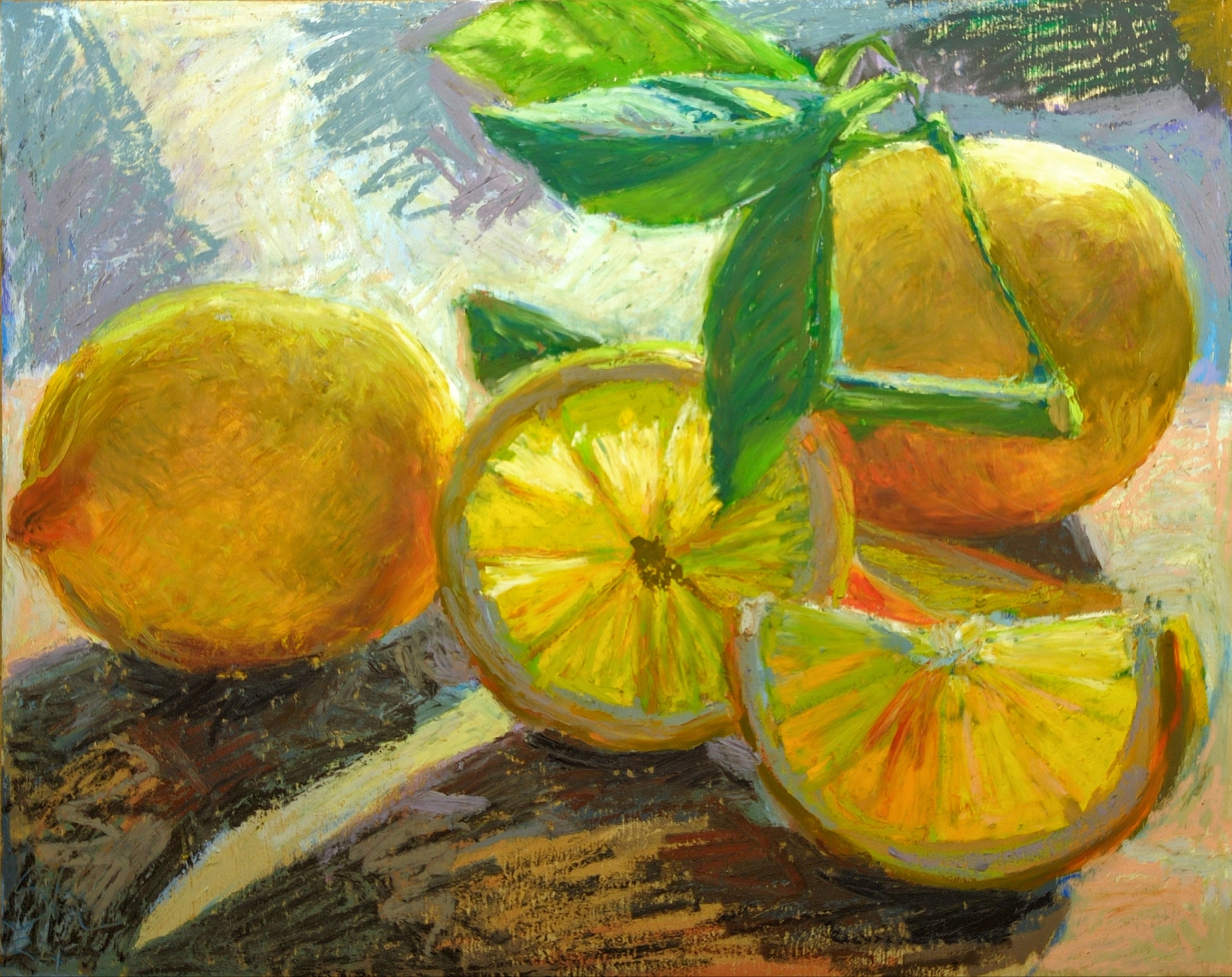
making these read yellow and not orange was tricky!
i haven’t really gotten the hang of mixing these oil pastels to achieve custom colours yet. I can do it but I don’t really have a go to method, not a real understanding of which colours mix how. the mungyo and haiya ones, which were more affordable, definitely mix to less saturated results than the caran d’ache neopastels or the sennellier pastels do, but sometimes you want those more muted results. My still life painting teacher back in 2009, Trudy, called them her “mouse colours”, and that charming language had stuck in my head sadly far better than my ability to plan for, mix, and make good use of neutrals.
something to work on for the next piece, i suppose!

Leave a Reply