swap to chronological order of most recently posted
-
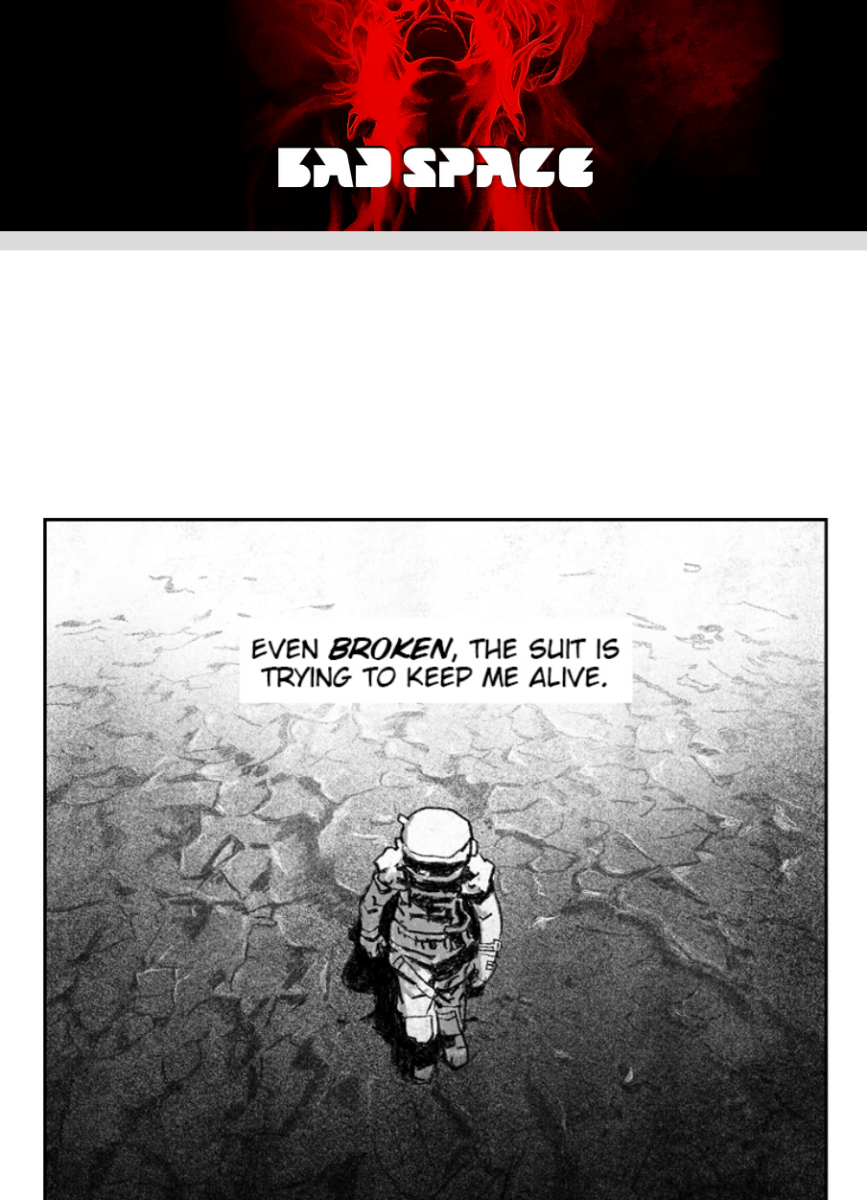
This short horror comic by Scott Base is making the rounds on tumblr again! and as it has haunted me for years, I feel it’s worth sharing:
-
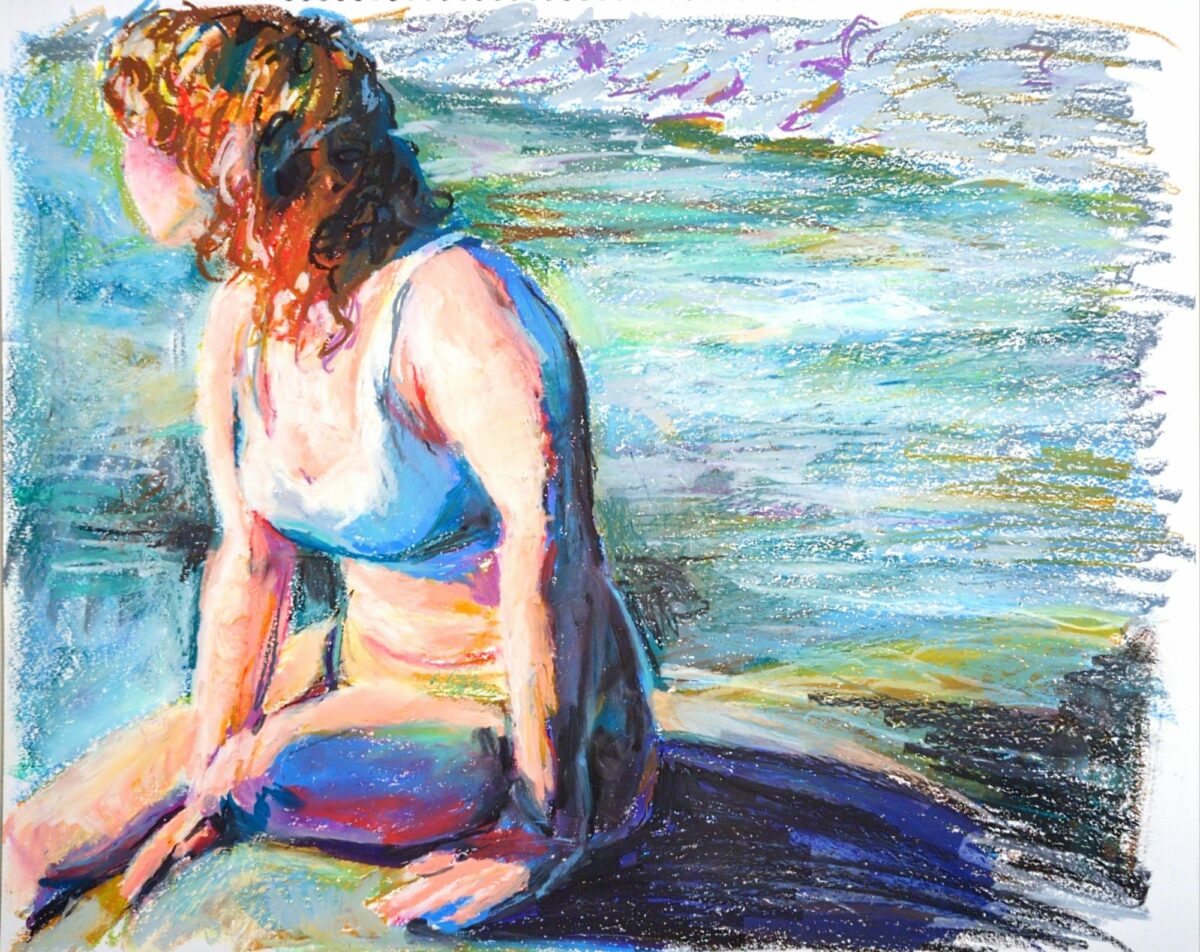
in a Robert Bateman sketchbook, using Neopastels from Caran d’Ache.
-
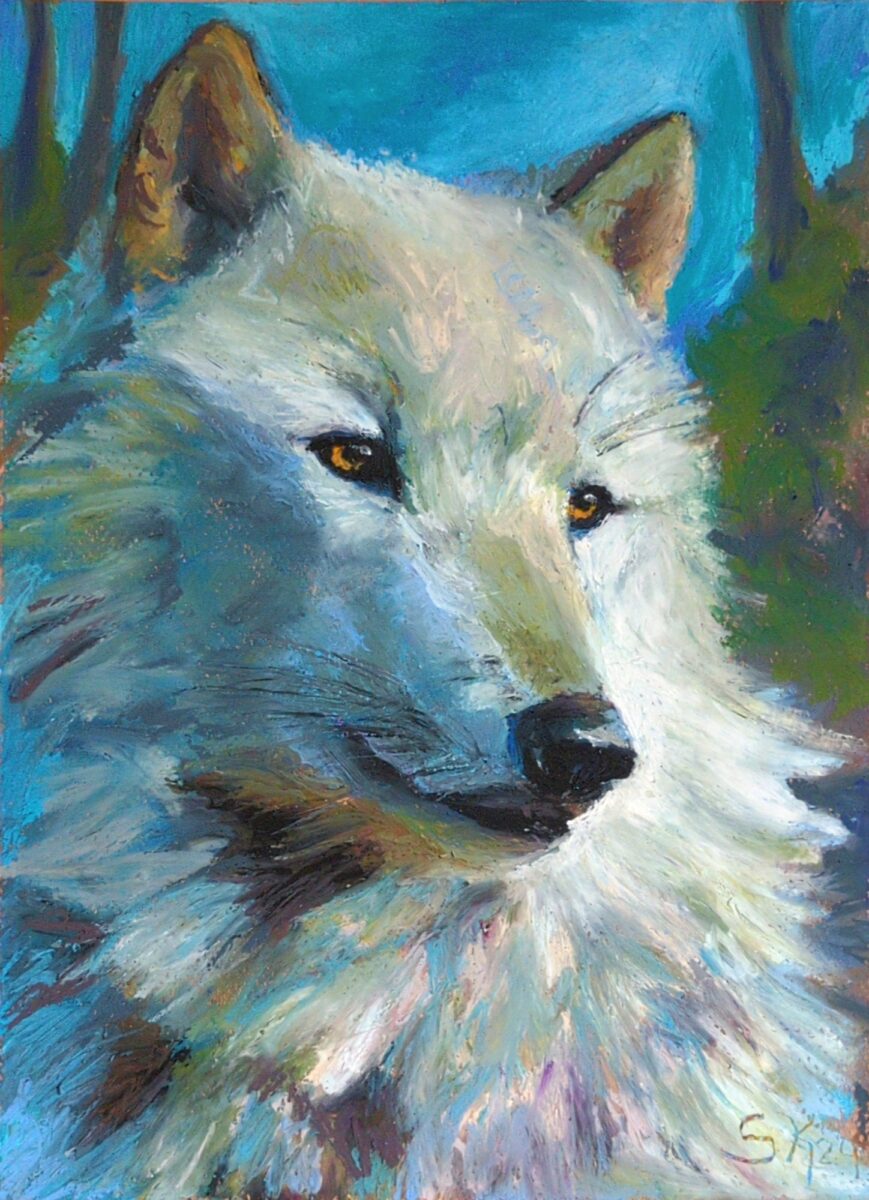
painted on canson mi-tientes pastel paper
2 responses to “Wolf in oil pastel”
-
I love this
-
✨!
-
-
-
how i am doing accidental exposure therapy for my fear of bugs
posted:
updated:
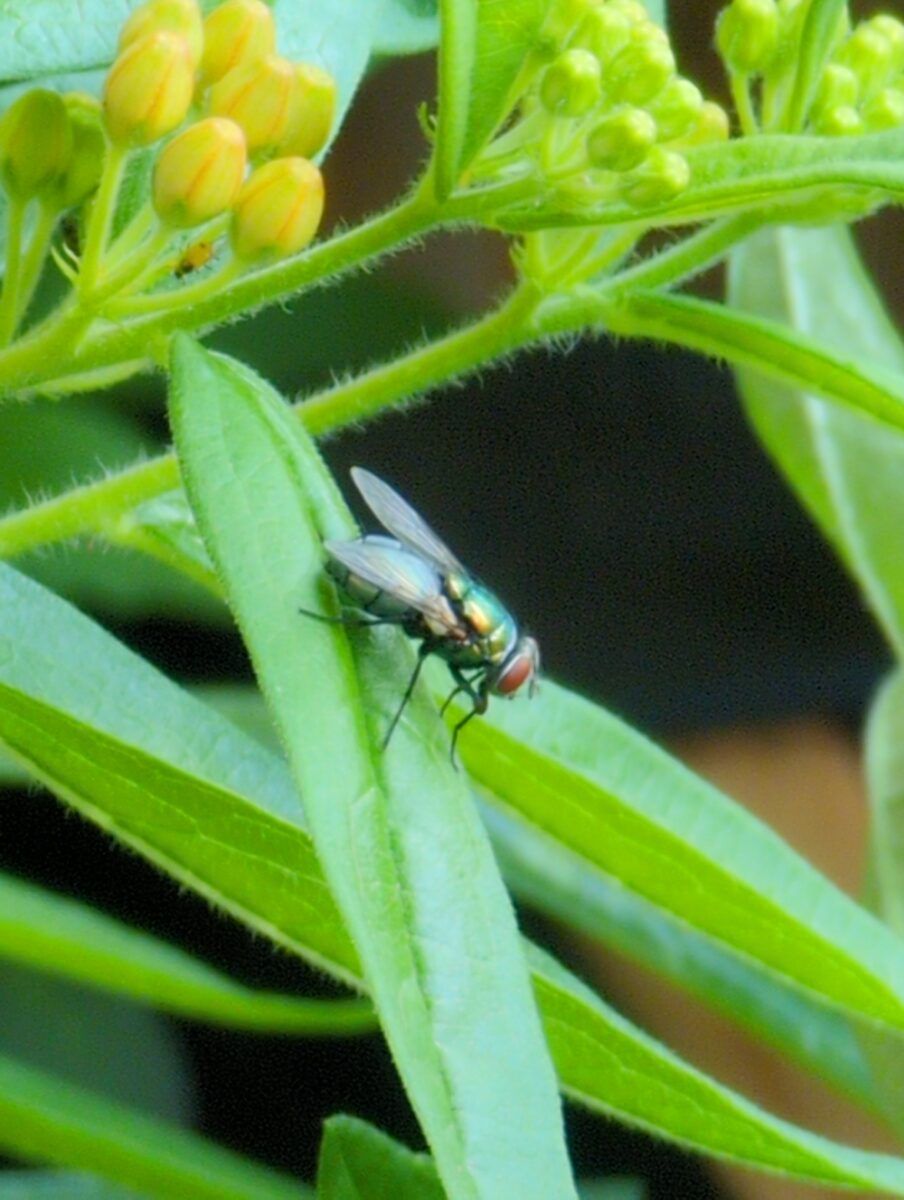
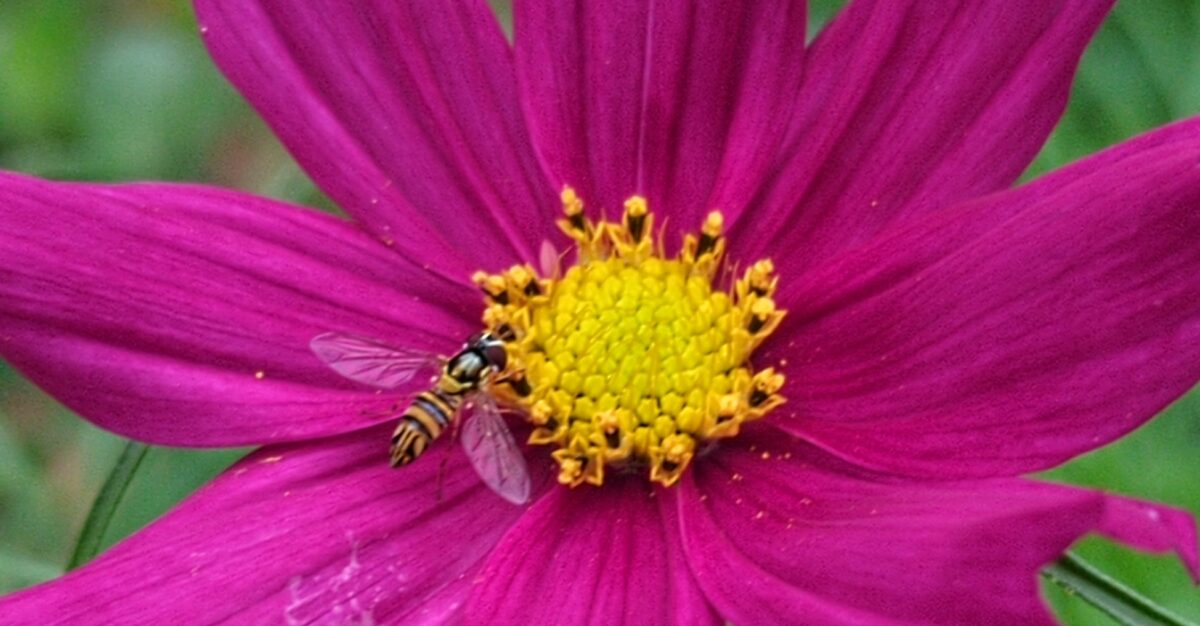
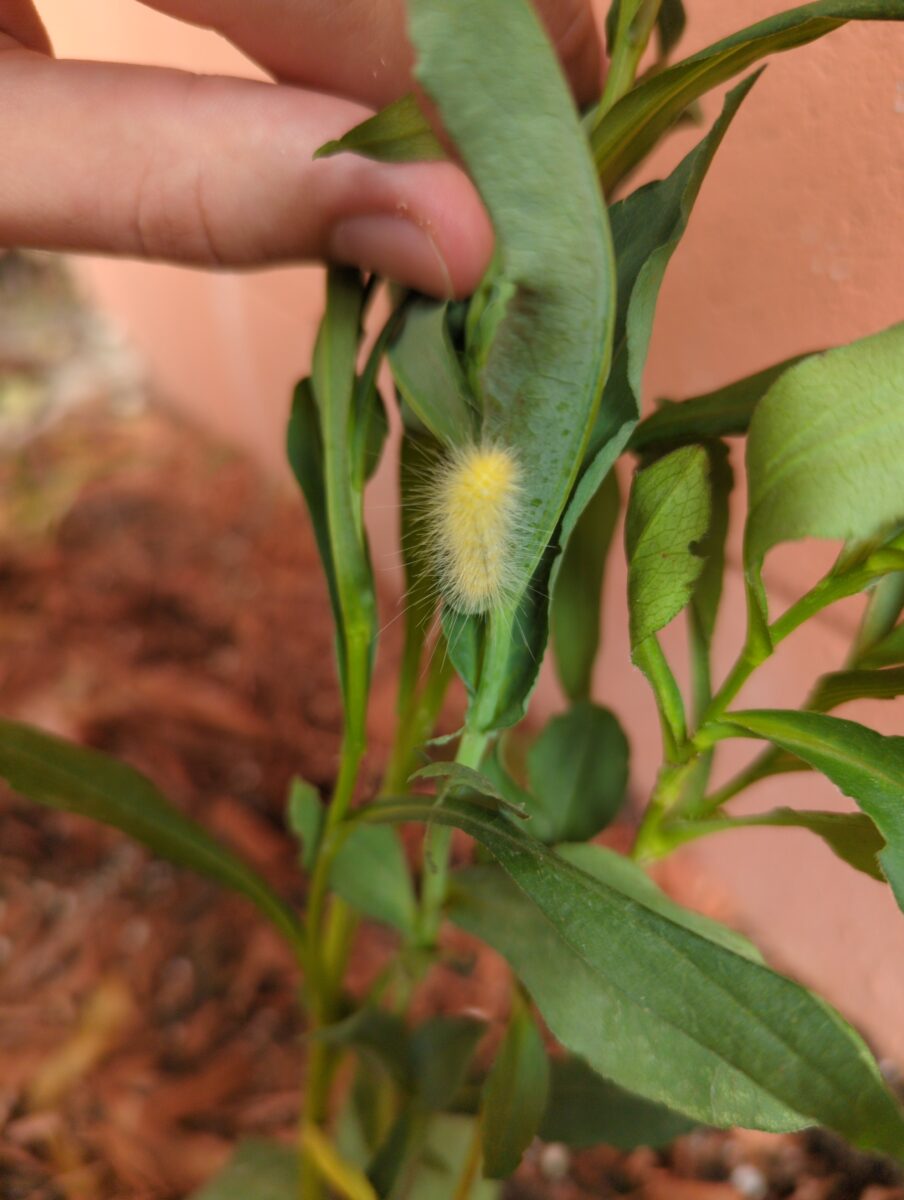
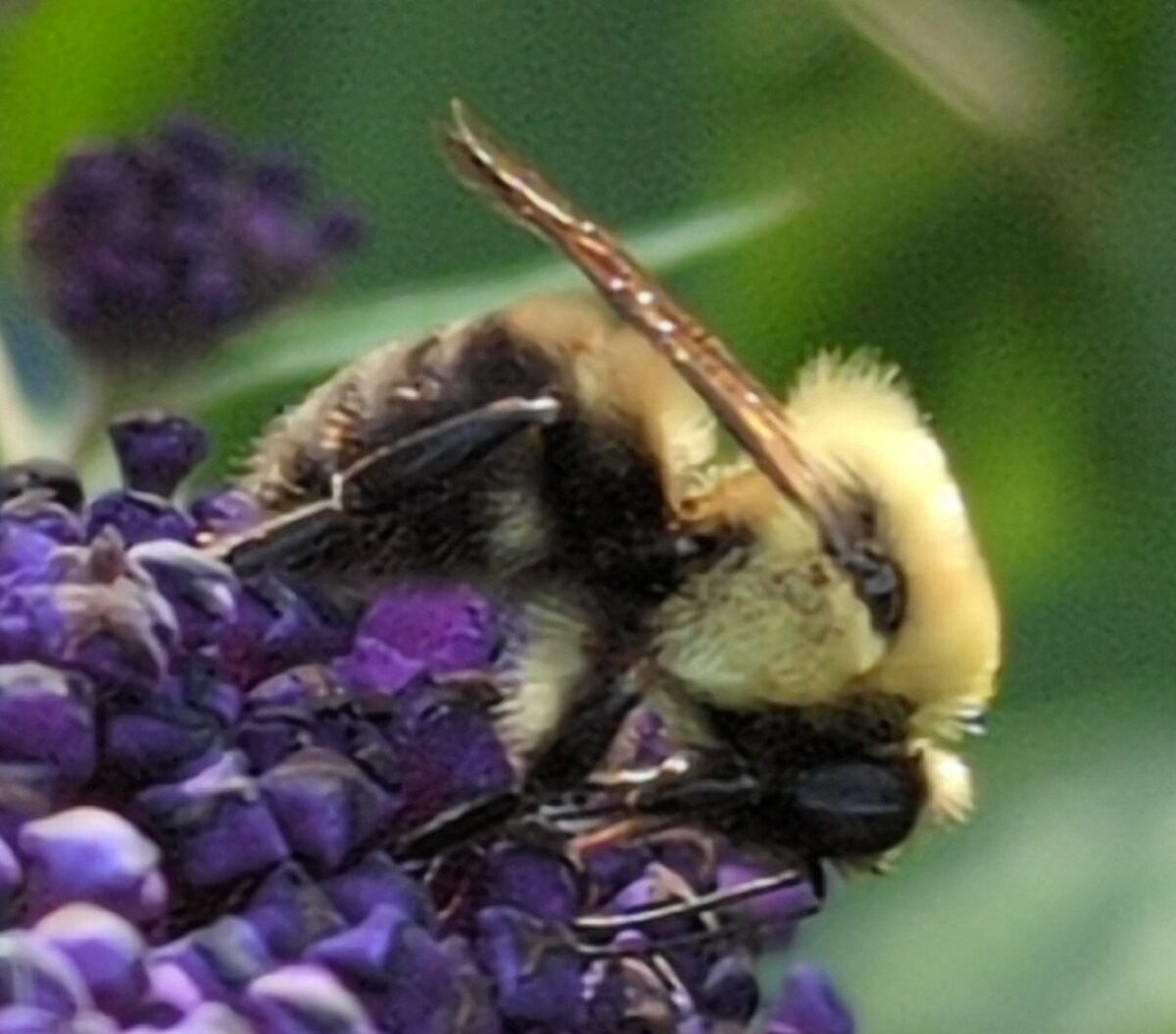
posted to: phototagged: bee, bugs, fly, inaturalist, insects, leaf hopper, moth, nature photography, photography, spider, structureSo I’ve been taking photos of bugs, now that I can trust my phone to not chew up any macro or zoom photography I take, and sharing them onto iNaturalist. it scratches my look I took a photo itch, it scratches my talking about cool things itch, it often tells me what bug I took a photo of, and it connects me with a whole lot of other people who occasionally also look at my photo of a bug and say yep that’s that bug. it’s a really great motivator is what I’m saying. but the best thing about this is that it has completely changed the dance my brain does when it sees a bug.
for context, I am a twitchy and tense person who doesn’t see very well in dim light or out of my peripheral vision, so I am usually very surprised by bugs flapping or running into my field of view — or if I’m very unlucky I hear them first. and because I’m twitchy that often makes me jump, flail, and in general just be stressed. but now, while I might still yell and flail once if I am surprised by a bug, the secondary instinct of taking its photo and putting it on inaturalist to find out what bug it is completely takes over my brain almost immediately. and all of the adrenaline and fear response that I’ve spent a lifetime training myself for just leaves.
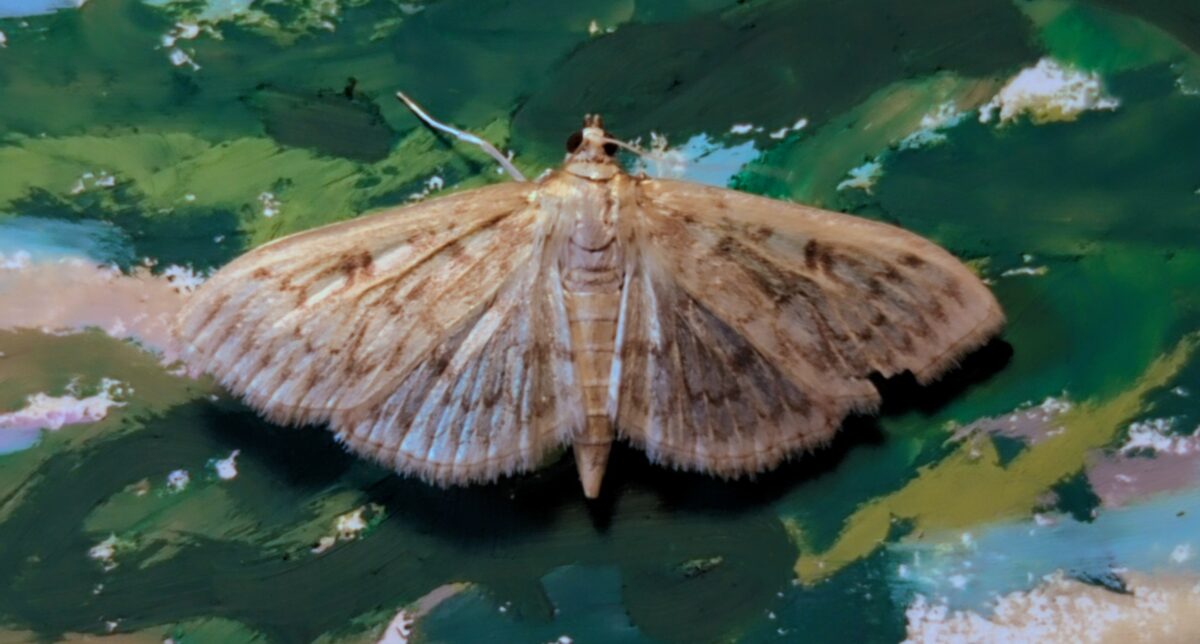
The other night I let this little moth climb onto my hand and it let me carry it outside and it was the sweetest interaction I’ve had with a wild animal maybe ever? and while I extremely do not expect to have that kind of interaction with a house centipede or any of the many wasps in my yard, I don’t think I could have had it with a moth either before improving this loop in my brain.
which is to say, if you too do a lot of yelping and freaking out over bugs despite wishing you were not yelping and freaking out at every bug, maybe try taking a photo of more bugs. going out and opting into finding and looking at a bug has made being surprised by them much, much less awful.
Here, also, have some cool bug photos:
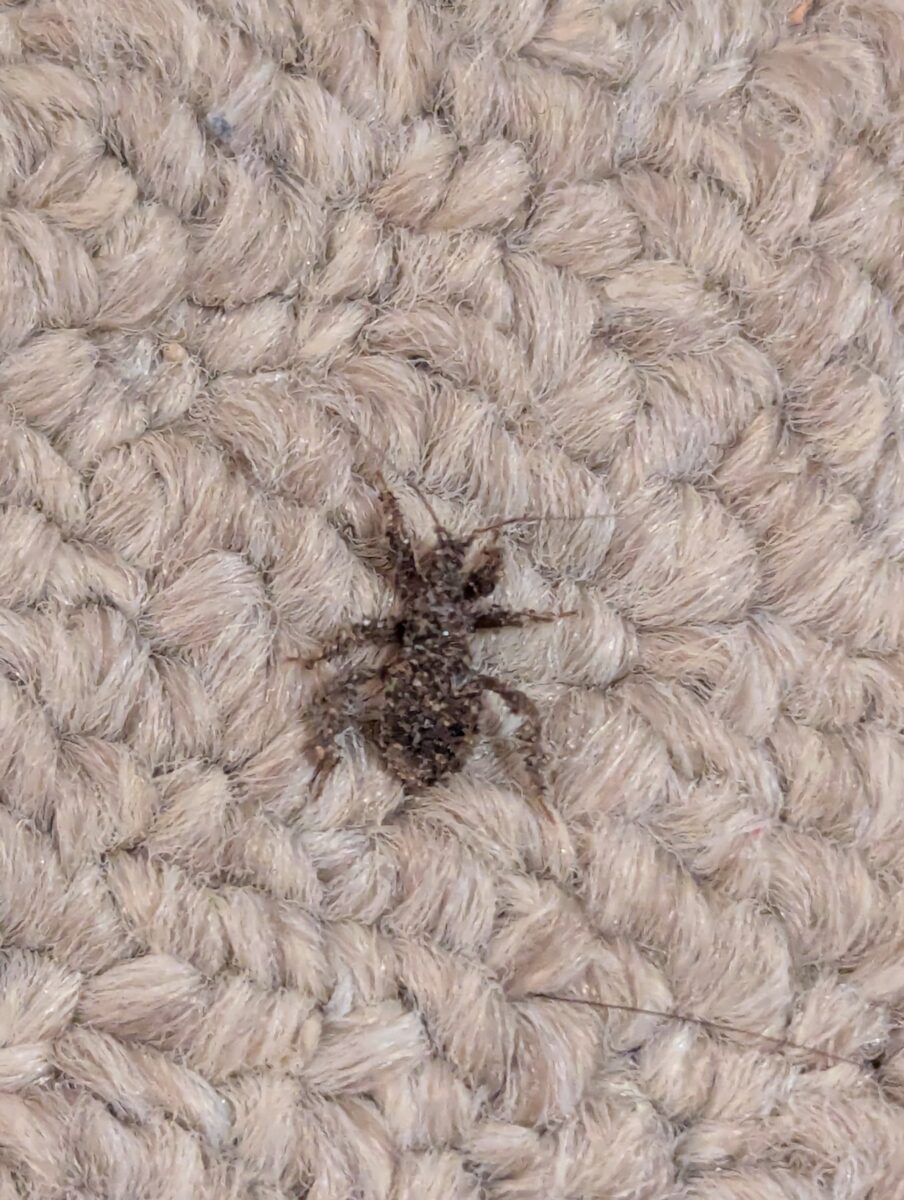
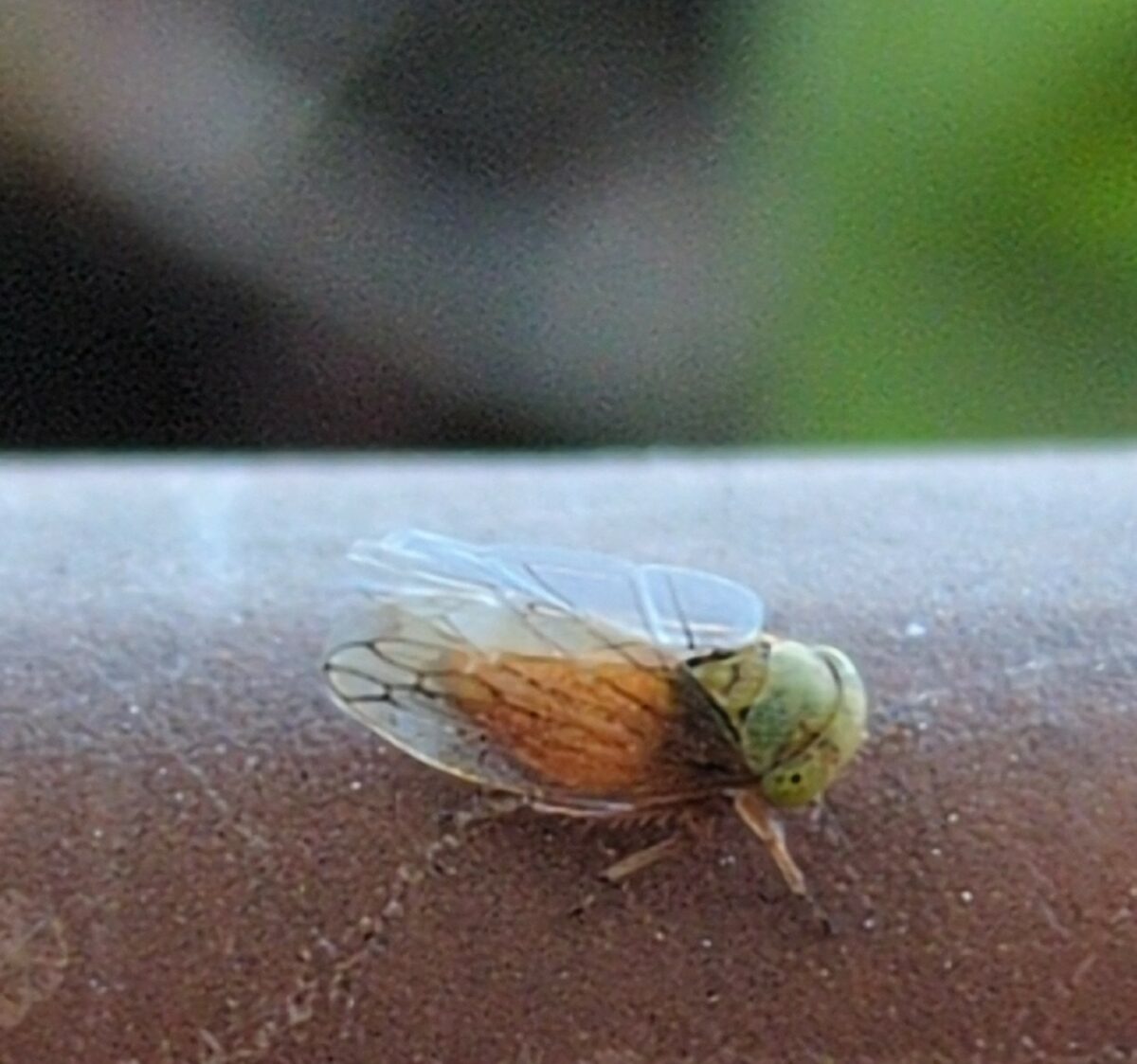
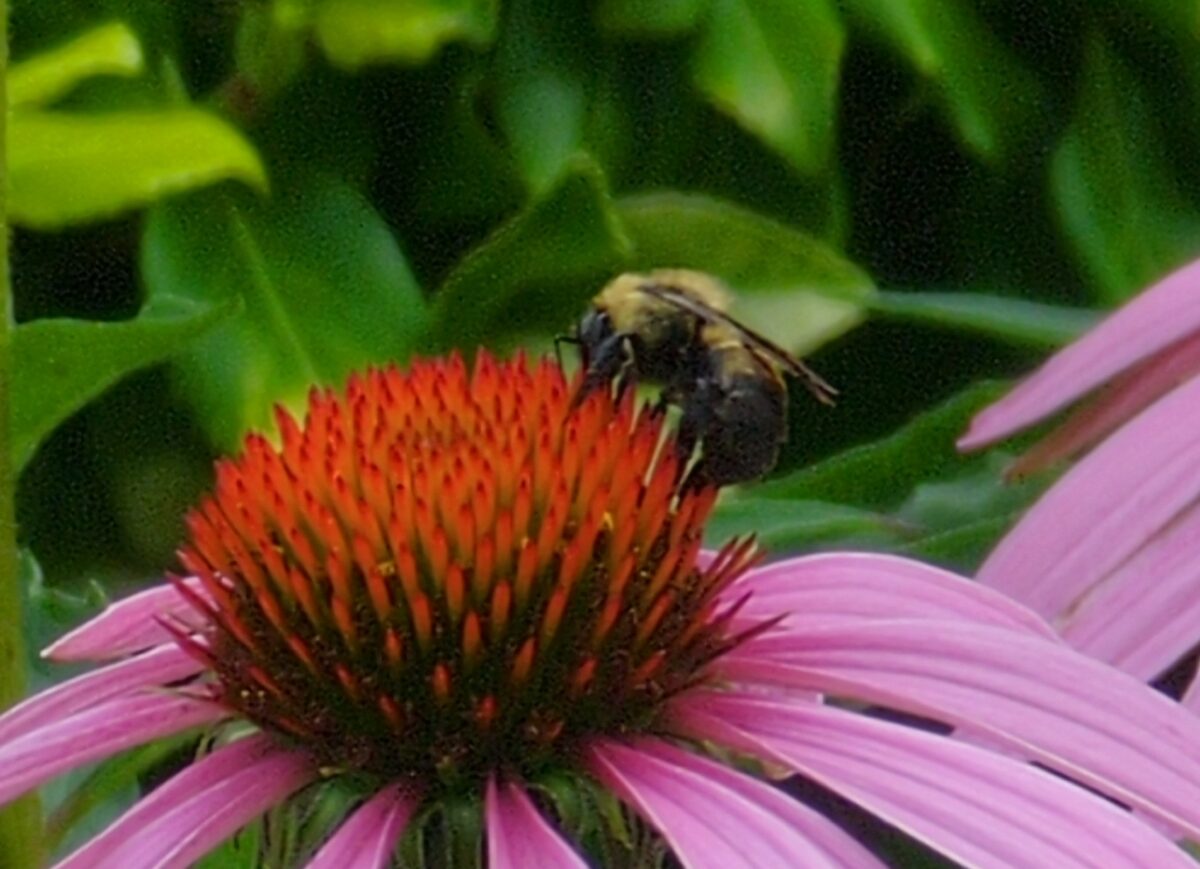

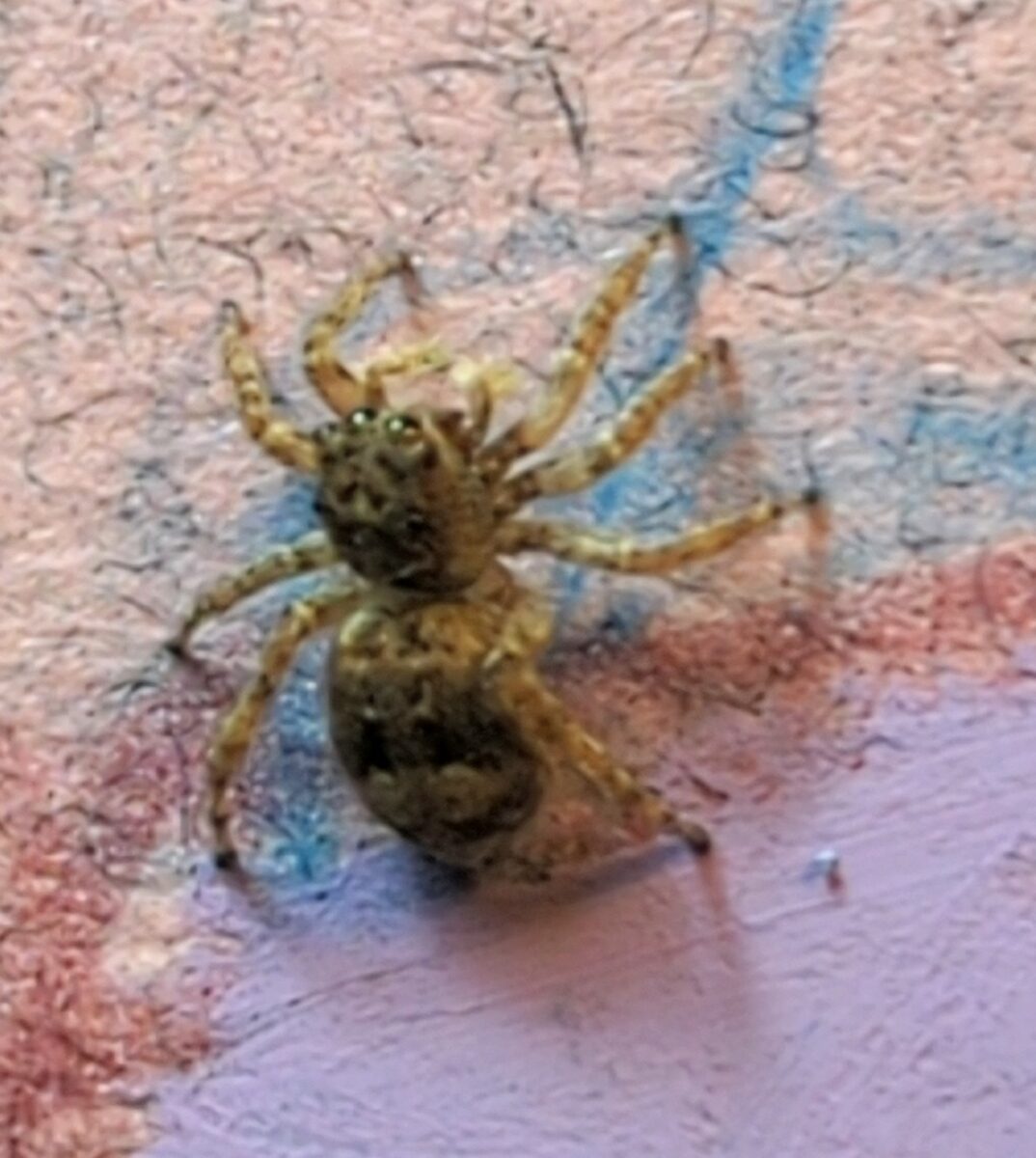
August 2024 update bonus!
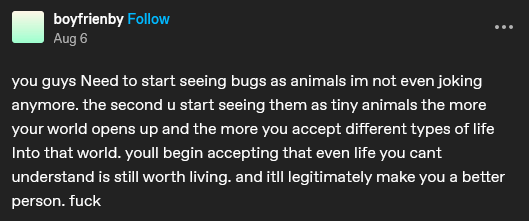
Yesterday I watched a small ant wander around my patio table, pause, give herself a good scratch, take a solid look (or smell) around the area, and then go about her day. Relatedly, this tumblr post spoke to my soul:
-

finished this piece of a much missed lucky boy; oil pastel on canson mi-tientes paper.
-
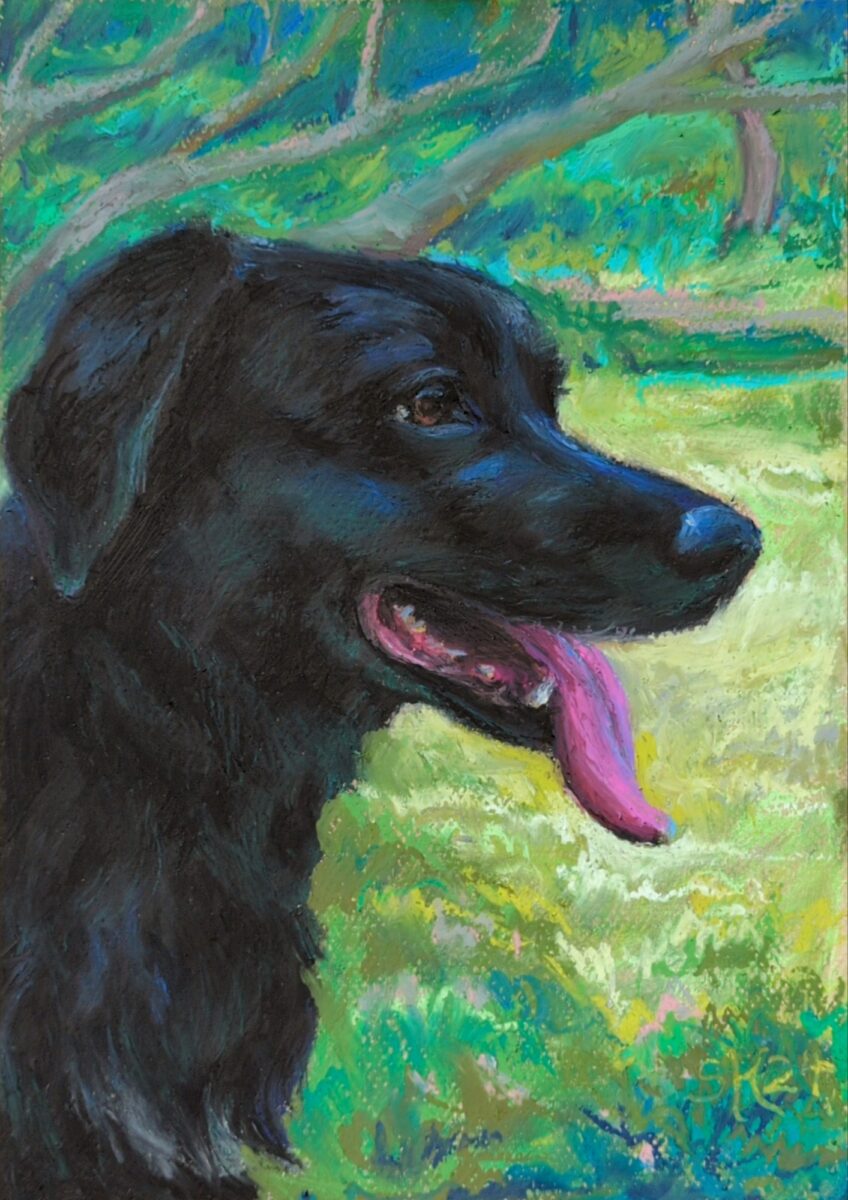
New challenge recognized: glossy black fur.
-
This was a response to an ask on tumblr! The question was:
What format do you recommend I save photographs in? Like raw or jpeg? I don’t know the difference.
Here are my thoughts!
so it depends on what you wanna do with your photo!
if you want to post it right away, you want a jpg; raw files aren’t web-ready and can’t be viewed by various devices easily.
if you want to take a bazillion photos and keep all of them too look at regularly on your phone, you want a jpg; raw files are much, much bigger sized files and will fill up your storage way more quickly, and they don’t actually look good out of the box.
if you like to post-process your photos on your phone or computer, you might prefer raw; jpg files contain only a fraction of the image data that a raw file does (hence the size difference) and it’s much harder to adjust them in ways that look and feel like professional photography.
however: processing a raw file is not optional – you can’t use it till it’s processed, and processing them is a skill you’ll need to give yourself time to practice. They also can require specific software to process them; famously lightroom and photoshop are the industry standards, and they’re pretty $$$, but I bet folks can drop some cheaper options in the notes!
I never shoot only raw, personally, because I love to share photos with friends ASAP, but sometimes I do shoot jpeg & raw together. If you have never tried out shooting and processing raw photos before, this is my recommendation.
Also, shooting raw is great but it’s super not necessary to do if you don’t want to process all your images by hand. There’s a bazillion reasons to take photos different ways, and “convenience” and “speed” are really good ones.
but also: post processing can be fun as heck. try it out! see what you think!
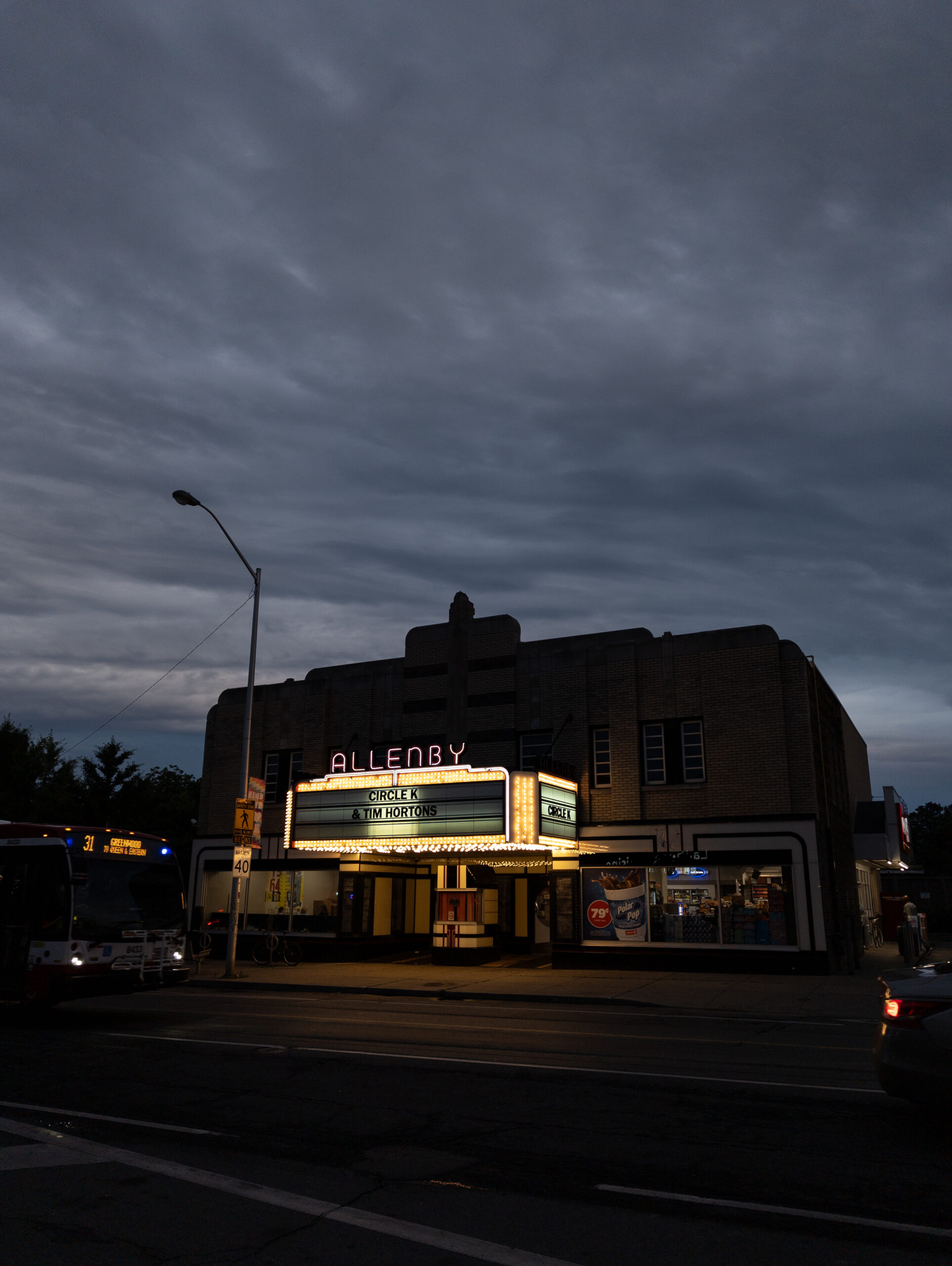
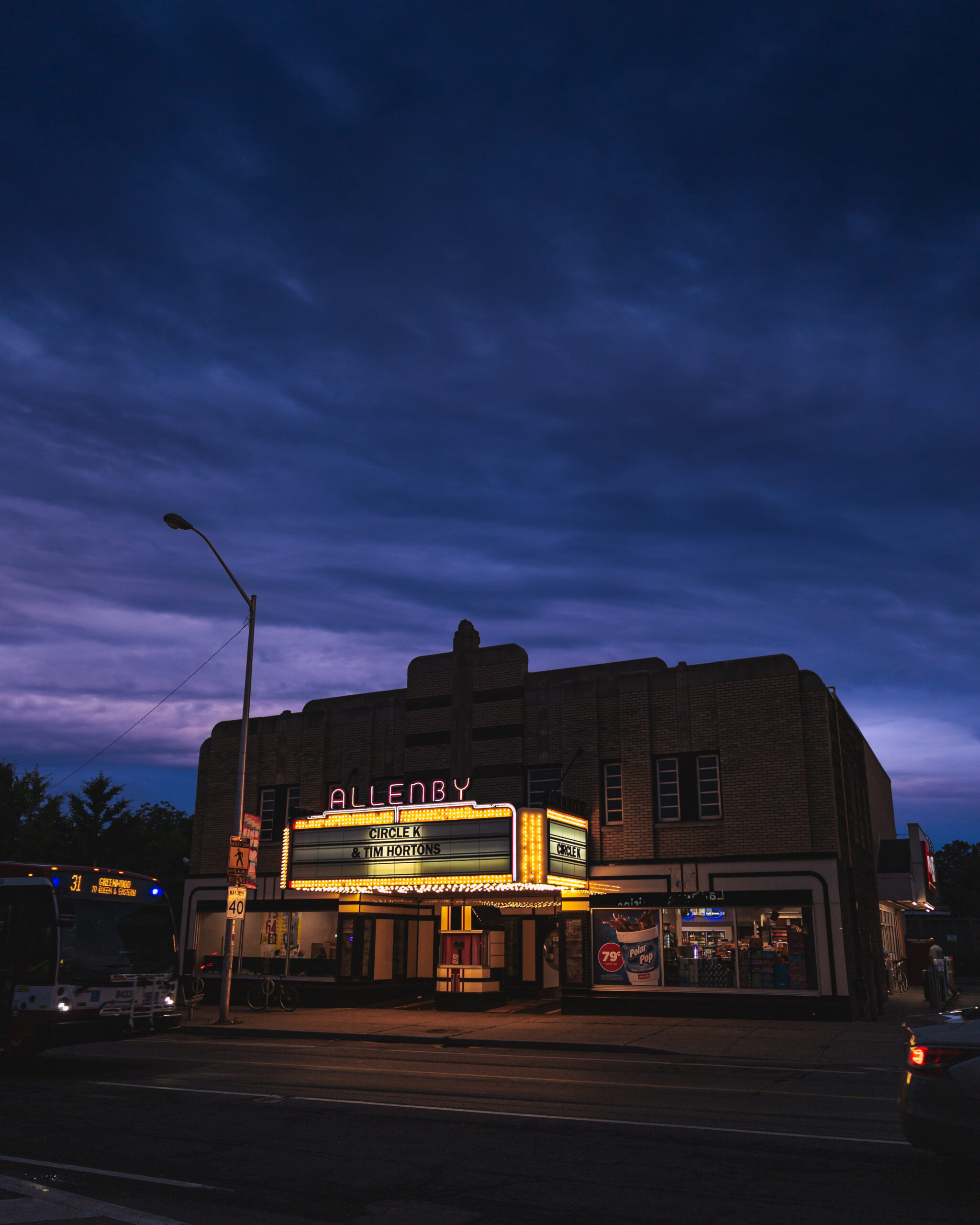
And for fun, on the left here’s a jpg photo straight from my favourite photo app for my phone, Open Camera, and in the middle here it is as an undeveloped raw photo exported directly to jpg, and on the right here is my processed raw photo exported to jpg:
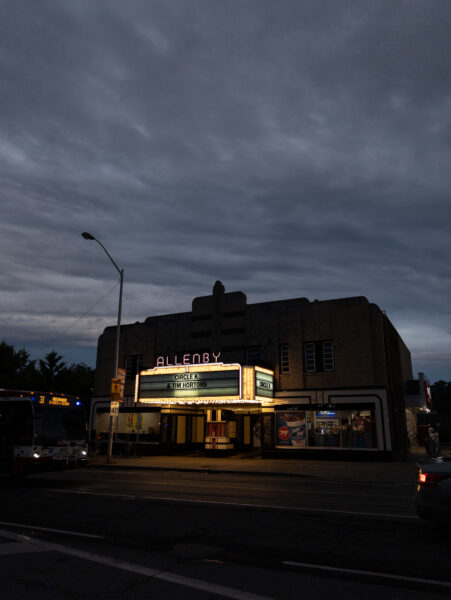
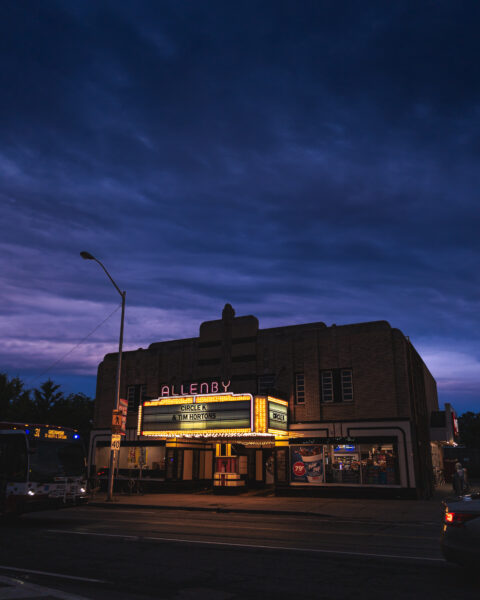
-
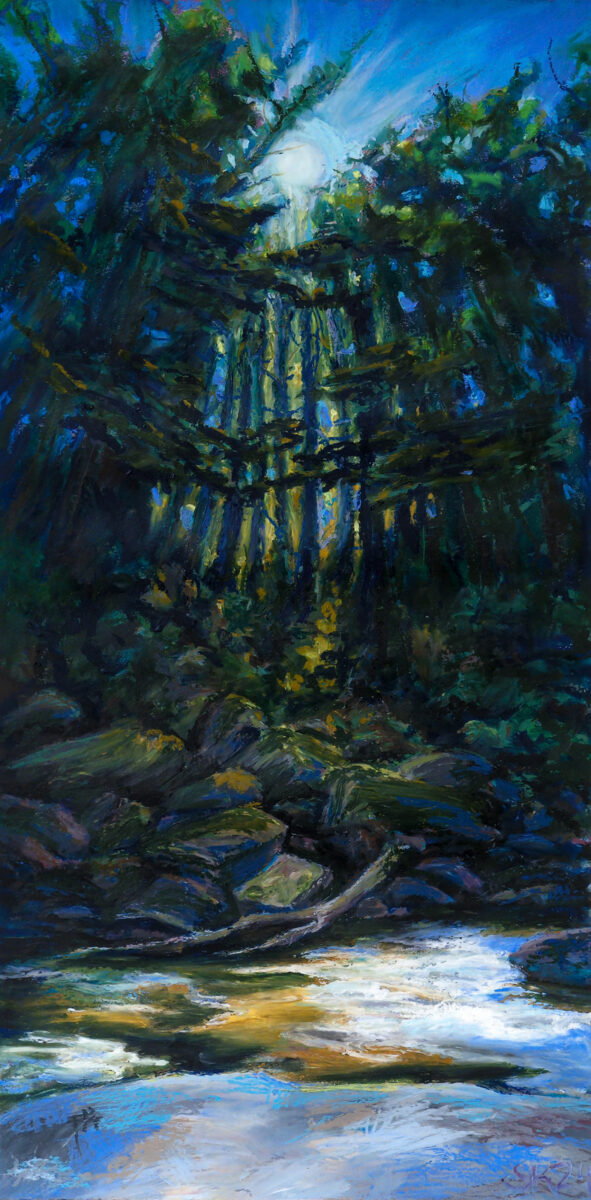
Presenting: this huge oil pastel painting I created this past August! It’s nearly two feet tall, painted in a variety of brands of oil pastel on stonehenge cotton rag paper, with an underpainting in watercolour.
I created it based on photos i’d taken while on a roadtrip around the great lakes through Canada and the US. These were captured on a beautiful cataract waterfall segment of the Voyageur trail across the northern shore of Lake Huron – we’d stopped for a rest and a drink sitting on the rocks in the shade, watching this stream go by and seeing the sun winking through the leaves.
I took a huge pile of photographs sitting there, trying to capture everything that felt so special about the spot, and when I got home I sat down with lightroom and photoshop and tried to develop and collage the photos torebuild my memory. Here’s the results of that digital shenaniganry:
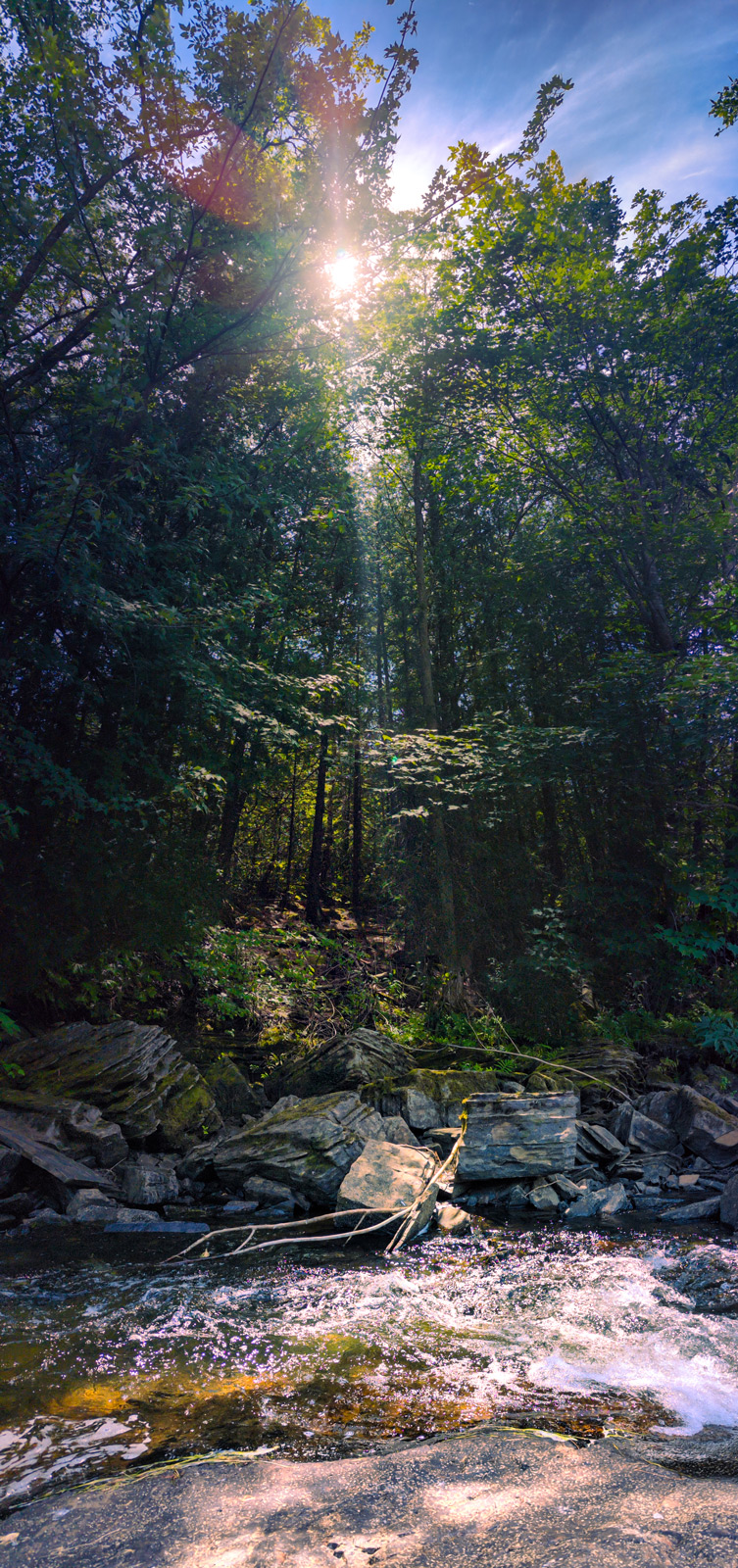
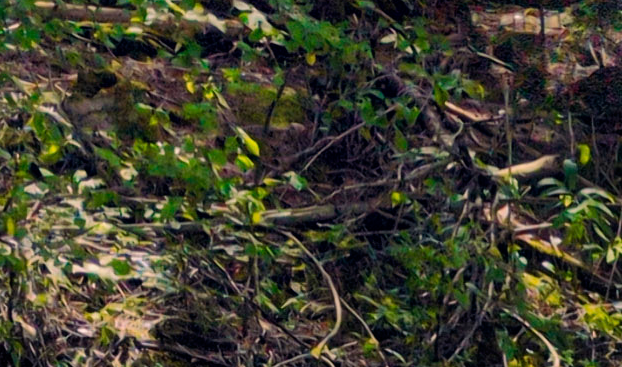
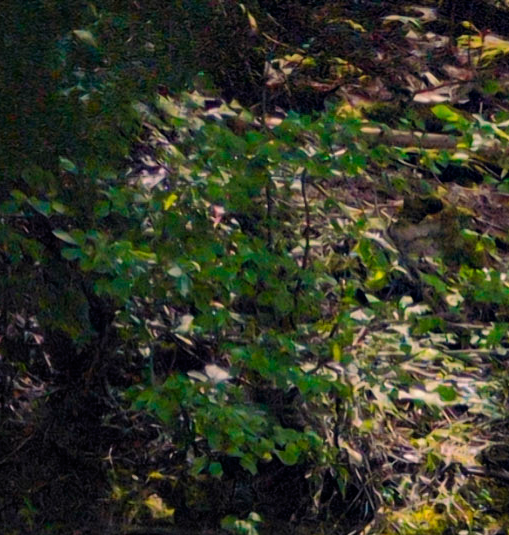
Unfortunately, photoshop was more interested in giving me generated nonsense in some spots than bothering to reassemble every leaf shared between shots, as you can see in these details below:
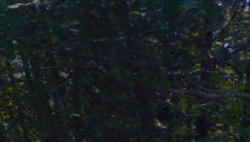
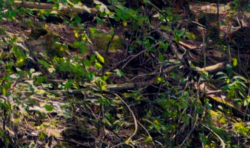
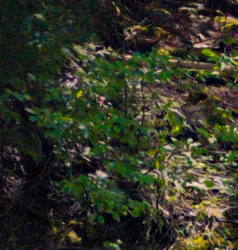
So it didn’t feel like I could, with the tools and patience I have at my disposal right now, create the epic collaged photo of my dreams — but so be it, I have other methods! Hence, oil pastel!
One of the things I keep doing to myself is trying to create oil pastel works with huge and subtle dynamic ranges, despite the fact that I know – I know! – that oil pastel has a very limited range of darks. Anyways, this is how I used up a third of a stick of Sennelier Sap Green, the rich warm nearly-black green of my dreams, and one of the most pricey and yet also soft and yet also small sticks of oil pastel. Worth it, I think.
I hope this post is also interesting for those curious about how I go from reference to painting! Here is a very literal side by side comparison:
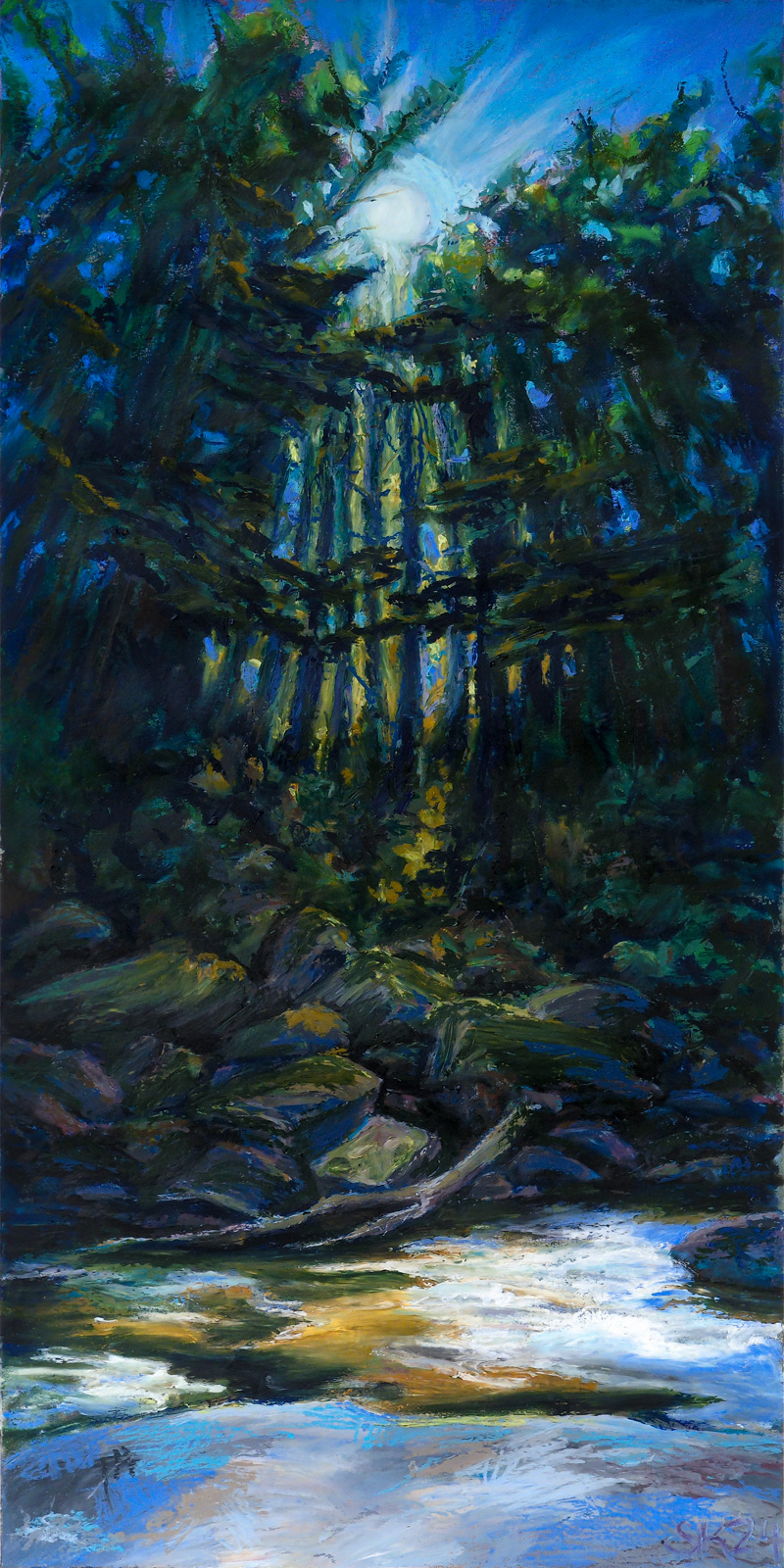
As you can see, keeping objects in subtle scale with one another goes at least a little out the window, especially with oil pastel. Even at the size I worked, it was beyond my skills or interest to get all the tiny fine details, and I moved things around compositionally quite a bit.
Honestly, this feels like a reference photo I might find myself coming back to someday for another go, but not out of dissatisfaction – I am enormously proud of this painting! But there’s so much in it, so much happening with perspective and rhythmic line and the scattered light, it might reward reinterpretation into a variety of media.
Do you have references you see yourself returning to in the future?
-
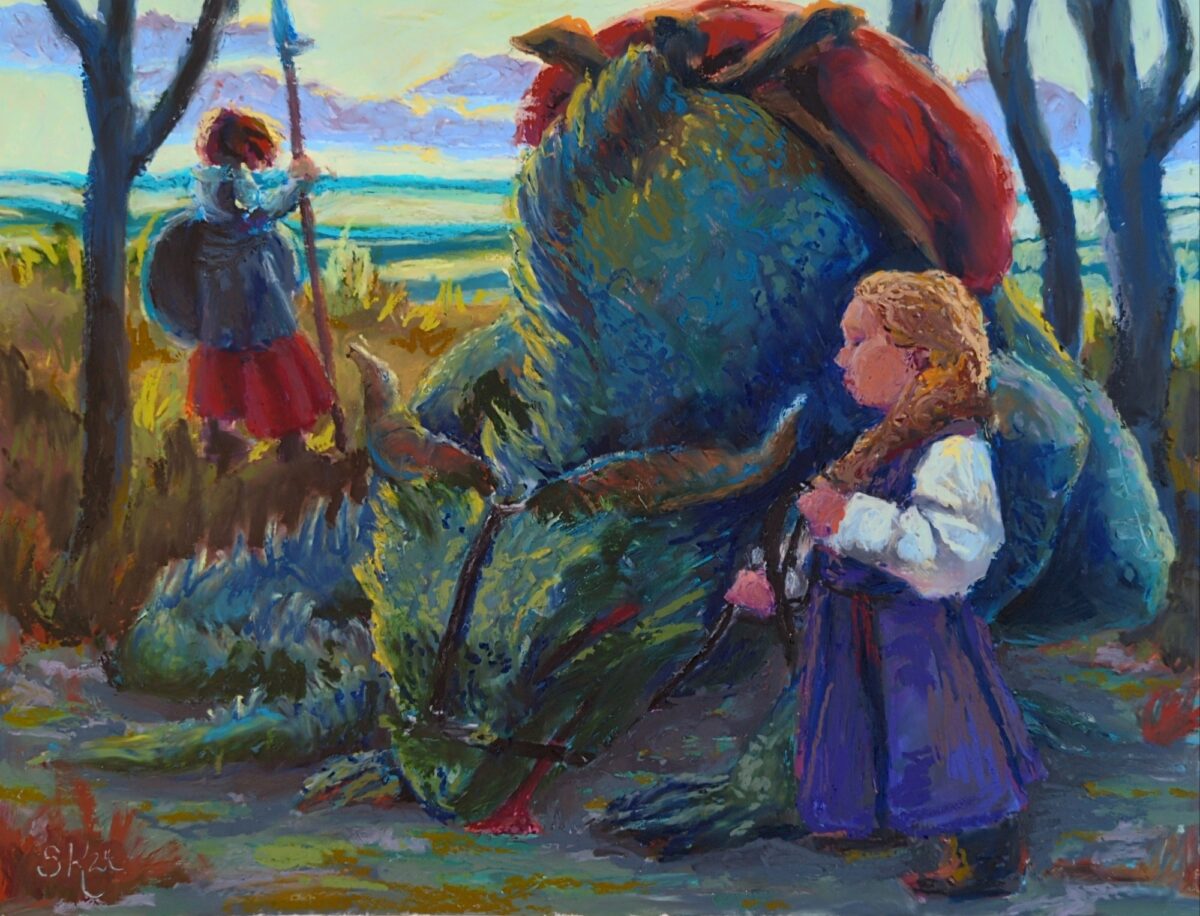
really love the colour palette i achieved here! not sure the drawing was strong enough to support it though, and the canvas was definitely too small for me at the level of precision in comfortable with right now. in the end i called this off before feeling 100% satisfied, but that’s simply the nature of exploratory work and no harm done. as i said, still very proud of this colour scheme!
-
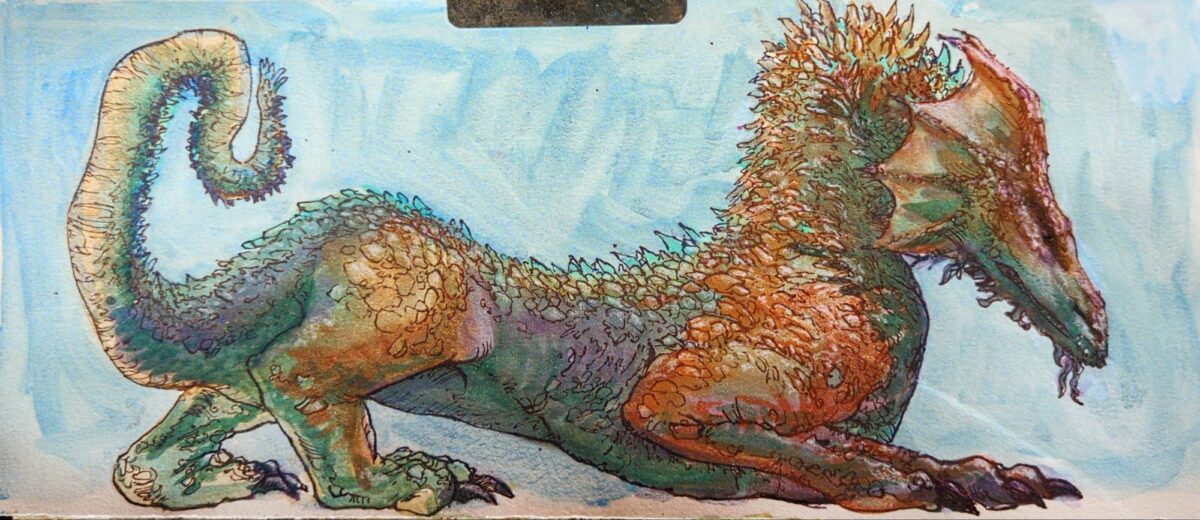
metallic and shimmer watercolours plus fountain pen


Leave a Reply