swap to chronological order of most recently posted
-
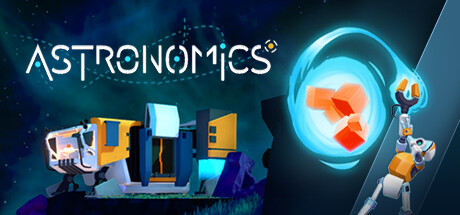


My first art directed game has been announced! Now I can tell you all about all the robots!
We made a lot of robots, robots I have become emotionally attached to. Please, check them out.
 Astronomics – An Asteroid Mining Automation Game by Numizmatic
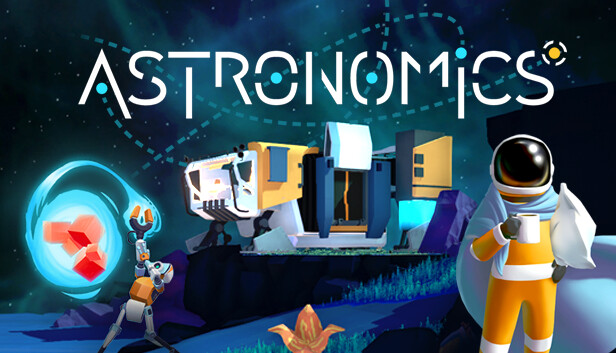 Astronomics on SteamTop-down action and space exploration meet asteroid mining automation! Navigate to randomly generated asteroids passing by and start mining. Impress your employer, upgrade your equipment, fight off pirates and save up for that ticket to Earth so you can finally come home… for the very first time.
-
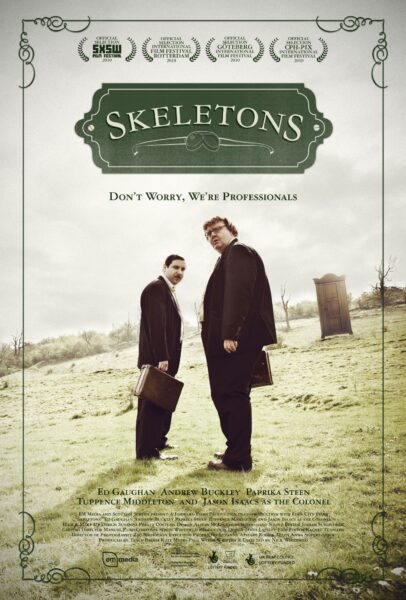
Shoutout to Jurie and Andy for sharing this gem with me; deeply british, dry, spooky, sweet, and shows you the tip of the iceberg of a larger occult understanding that is revealed further through rewatchings and the subsequent mulling over you might do at the pub after with a friend.
-
We’re all getting bombarded, and the fight, flight, freeze response is probably flooding your brain, and I too am feeling paralyzed by the constant internal question “what can I even do about ~everything~?!” —
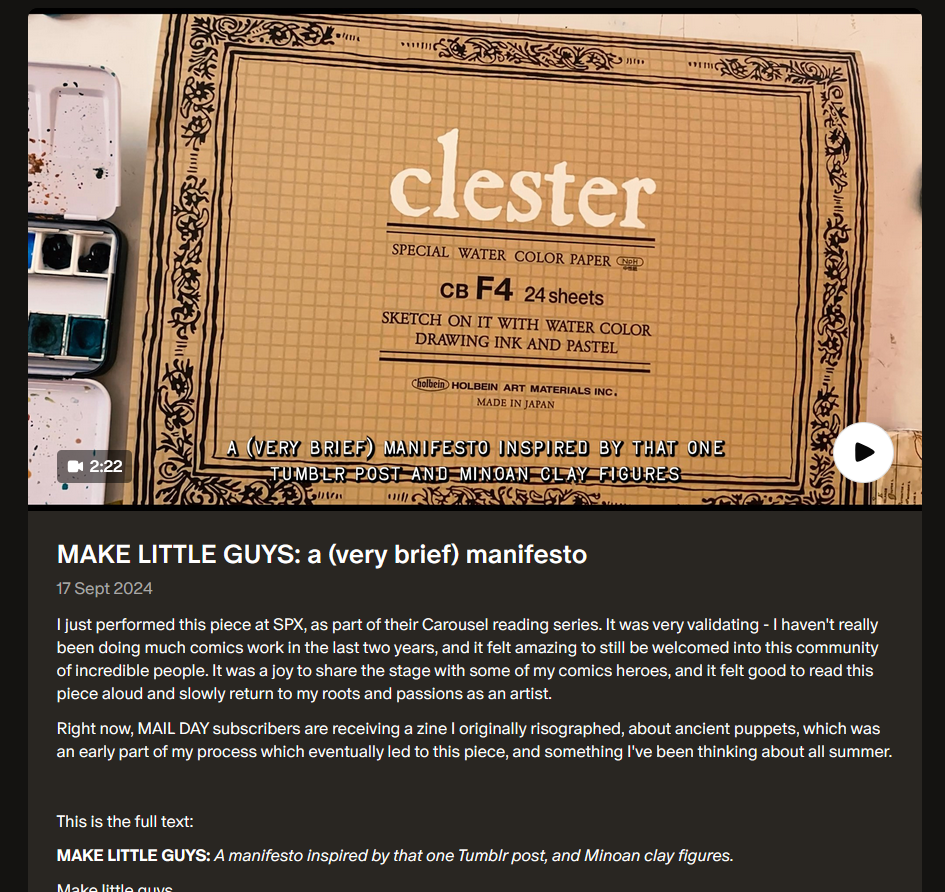
— and this piece – manifesto, poem, performance – from Shing Yin Khor’s patreon popped up in my bookmarks-to-revisit and reminded me that zooming in on something like a Little Guy can be a wonderful empowering connecting experience.
So here, go, enjoy, hold on, challenge the aggressive flood of learned helplessness the world is throwing at us all right now:
-
Playing Night Forest with the Dames Making Games Community
posted:
updated:
posted to: tabletop rpgs
Last Wednesday I played Night Forest with the excellent folks at Dames Making Games, here in Toronto, and we had a wonderful time with it! I thought I’d do a quick post about our experience and things I learned from the experience! If you attended, please feel free to add your thoughts in the comments, I always want to hear them.
First up: playing with candles is wonderful, but they work only under very controlled conditions. In our case, despite everything else being in outer favor, the faint breeze kept blowing them out. Folks spent maybe half the time trying to relight theirs. That said, having a tactile object that requires some care-taking honestly probably helped everyone get past their awkward first instincts and gave hands something to do while cards were mulled over. It was also a great common ground for everyone.
We played in a public park in downtown Toronto, so it was not a private space and we weren’t alone – but all the one-to-one conversations still had an aura of intimacy over them that created some immersion, despite the noise and distractions.
Now for my hacks and edits:
Firstly, I feel very strongly that safety and consent are core to community gaming, and we started our session by getting everyone to submit their hard lines – content they did not want in the game at all. We also gave every player an x-card.
What I call hard lines are from Lines and Veils, though you’ll find similar tools under other names in Microscope and other games. I use the anonymous index card submission method now, and compile a list myself from the players’ cards, so there’s no individual pressure.
Night Forest has a group-reading of the instructions built in, and these also highlight and prioritize player comfort, which is part of why I chose this game for community play.
But back to my hacks: the other thing I came prepared to add, after some reflection and based on what I know of this community, was the loosest setting framework, encouraging folks to extend their storytelling into the far future. This gave folks the option of obvious fiction.
Then as a group we identified an additional thing needed for playing in the small public park – clear body language signals to differentiate between contemplating a new card and being ready to share stories. We also very quickly talked about storytelling: structure and length. This game is immensely hackable – but part of its magic is the huge open spaces the base game leaves for players to explore. I didn’t want to close that off at all if I could avoid it.
Sidenote: Evan Torner was talking about elliptical play the other day on Twitter, and I think it’s a concept that might tie into the huge spaces Night Forest leaves in the larger narrative. Something to mull over if you play it!
So we played with guttering candles and cellphone flashlights and skateboarders around us and folks: it was still so magical!
There was a point when I turned around after telling a story and found 5 ghosts silently listening behind me and it was SPOOKY.
All in all, I highly recommend playing. The cards are beautiful and the art in them is so evocative and surprising; the structure creates a powerful sense of intimacy even in public places; the compartmentalization of the shared experience builds but also prevents consensus. Two spooky thumbs up!
2 responses to “Playing Night Forest with the Dames Making Games Community”
-
awww yay! so glad you had a good time. it’s so great to hear about different types of groups enjoying their experience. and so glad you love my art <3
-
Mo, delighted you found this post! we loved the game and the art was definitely a big part of it – great work!
-
-
-
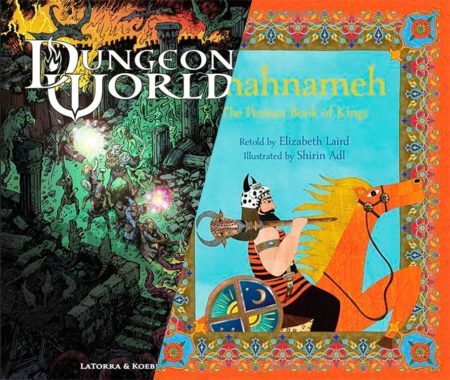
In July I spent a week running a Dungeon World campaign as part of summer camp for 16 kids, aged 9-12, at the Aga Khan Museum in Toronto. It was my first longer campaign that I’ve designed, and the three assistants I had (who were amazing, thank you all!) had never run any tabletop RPGs before whatsoever. I’d been recommended by the excellent Daniel Kwan, who runs Pathfinder and DnD 3.5 for kids 11-14 at the Royal Ontario Museum, which you may have heard me raving about on Twitter in the past. It’s a really cool program, and it’s thanks to him that I got the chance to run this one at the Aga Khan Museum!
While Daniel was incredibly helpful and supportive and offered a lot of information on how he ran his program, the age difference between his kids and mine meant I couldn’t use the same system. Additionally, the Aga Khan Museum didn’t want a generic fantasy world for their kids, they wanted to use the game to introduce them to the world of the Shahnameh, a thousand-year-old epic poem covering the mythological and historical past of the Persian empire prior to the arrival of Islam in Iran. It’s an amazing piece of literature on many levels, the first being that it is the longest epic poem ever written by a single person. As I mentioned in a research post earlier, I relied on a kids’ adaptation to be able to parse the poem into key segments for the summer camp, and without that I would have been completely overwhelmed.
So in the end, we divided the campers into four groups of four, each with a staff member as Game Master, and each group followed their own special quest over a shared landscape, which was also shared with the story of Rostam’s Seven Trials, from the Shahnameh. We used the museum’s resources and collection to flesh out the world for the kids, and enable discussions about animals and monsters, heroes, clothing, treasure and stories. We worked on daily crafts that helped us get deeper into the subject matter and share what everyone individually found the most interesting. And we all had a really great time! So over the next three posts I’m going to dig into each aspect of this project, and share what was exciting, interesting, challenging and hopefully inspire you to try something similar sometime!
-
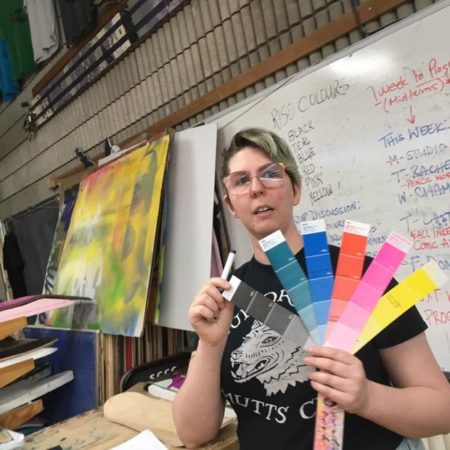
In autumn 2017, I taught a four week comics course at the Oasis Skateboard Factory, an alternative highschool within the Toronto District Schoolboard. OSF has a project-focused curriculum, so our comic project was multifaceted, to approach multiple curriculum aspects.
Over the course of the four weeks, we read Emily Carroll‘s Through the Woods, and Mike Mignola‘s Hellboy: The Chained Coffin. Through class discussion and on-paper exercises we analyzed stories from each book and discussed the different ways they approached the horror genre. Using collaborative drawing exercises we discussed cartooning, and we spent a full session going over visual literacy in terms of composition, colour choice, value and related concerns. We then used the story tools we’d developed in analysis to help each student write a short two page horror comic story, which they drew and prepared for risograph printing.
Once the files were all ready, a smaller group of students joined me and one of the program heads, Lauren Hortie, at OCADU to print the comic with their risograph machine and the help of the print technicians. The students then collated and bound the books, and they were launched at The Beguiling in November 2017. You can see some photos from the book launch on the OSF blog here.
Huge thanks to Lauren and Craig of OSF, to The Beguiling and Page and Panel for helping me find books that would work with the program and the horror theme and then hosting the launch party afterwards, and to OCADU for helping us do such a big print project on a tight turnaround, while also providing a great learning experience for the students that came along for that stage.
-
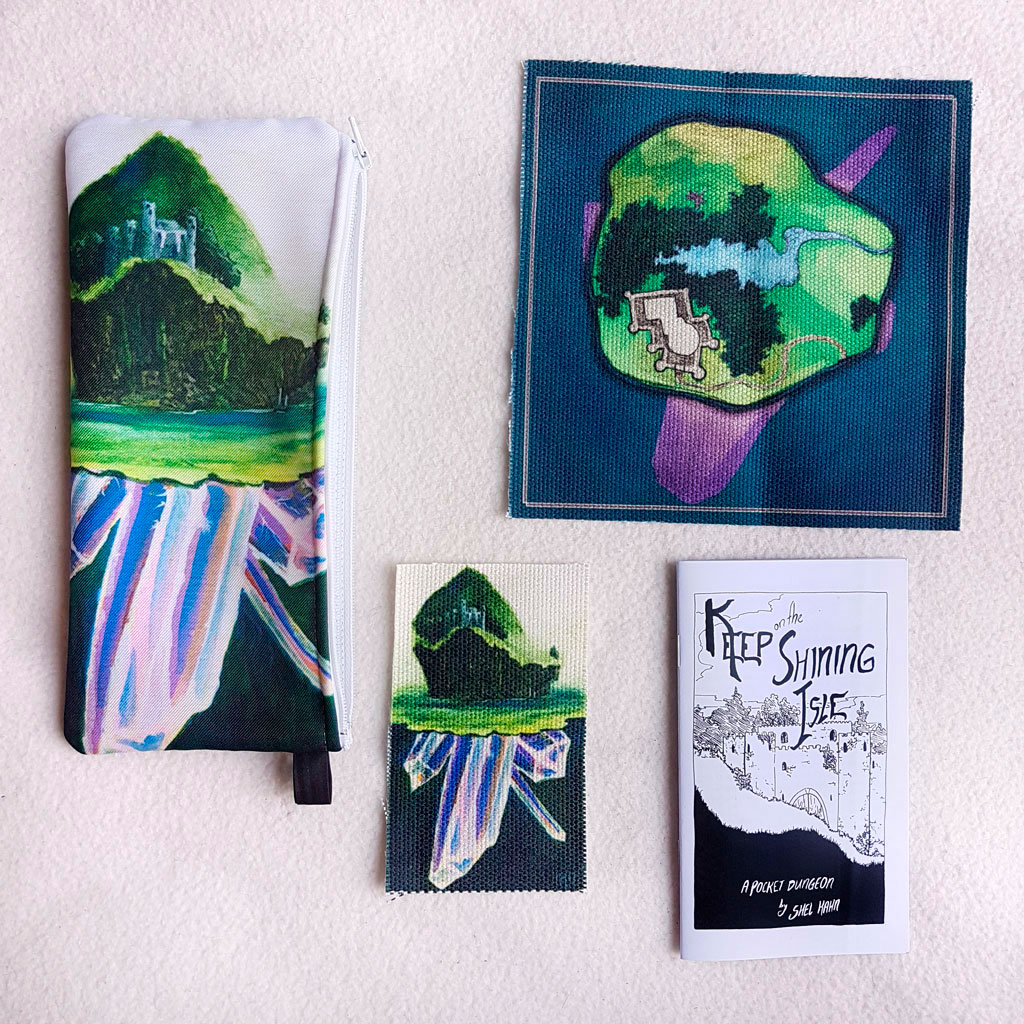
Keep on the Shining Isle is a system-agnostic dungeon featuring a haunted ruin, a mystery cult and some very tempting apples. Pick this up to send your home campaign on a memorable sidequest, or try out your favourite new system with this 1-2 session scenario. Written and published by Shel Kahn as the first of many Pocket Dungeons.
Quantities limited, but occasionally available as a zine, 6 x 3.5″, 24 pages, black and white, packaged in a pencil case along with a fabric map and Shining Isle patch from the Portable City store.
-
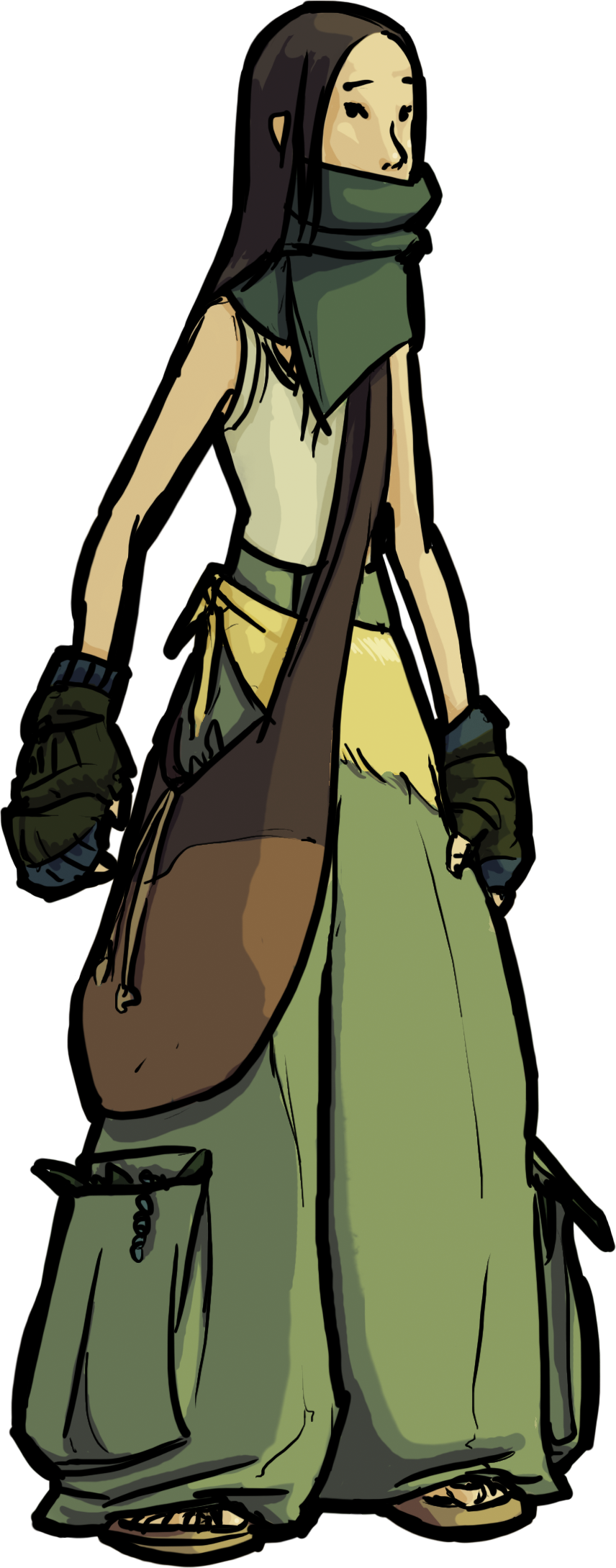
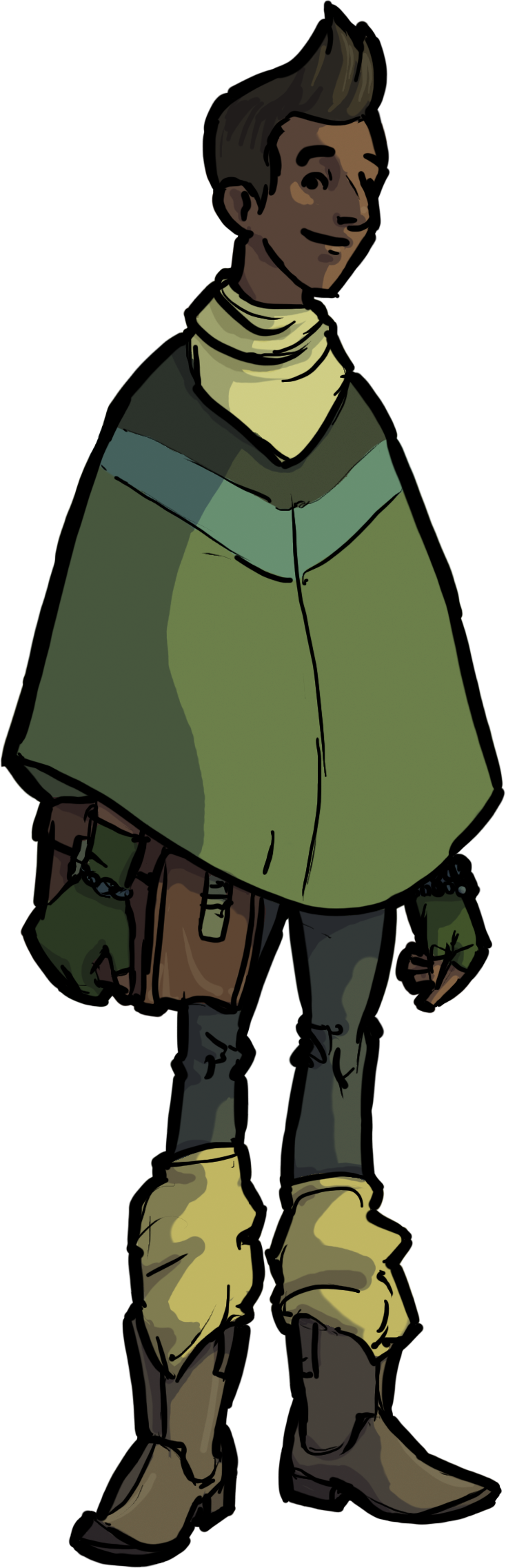
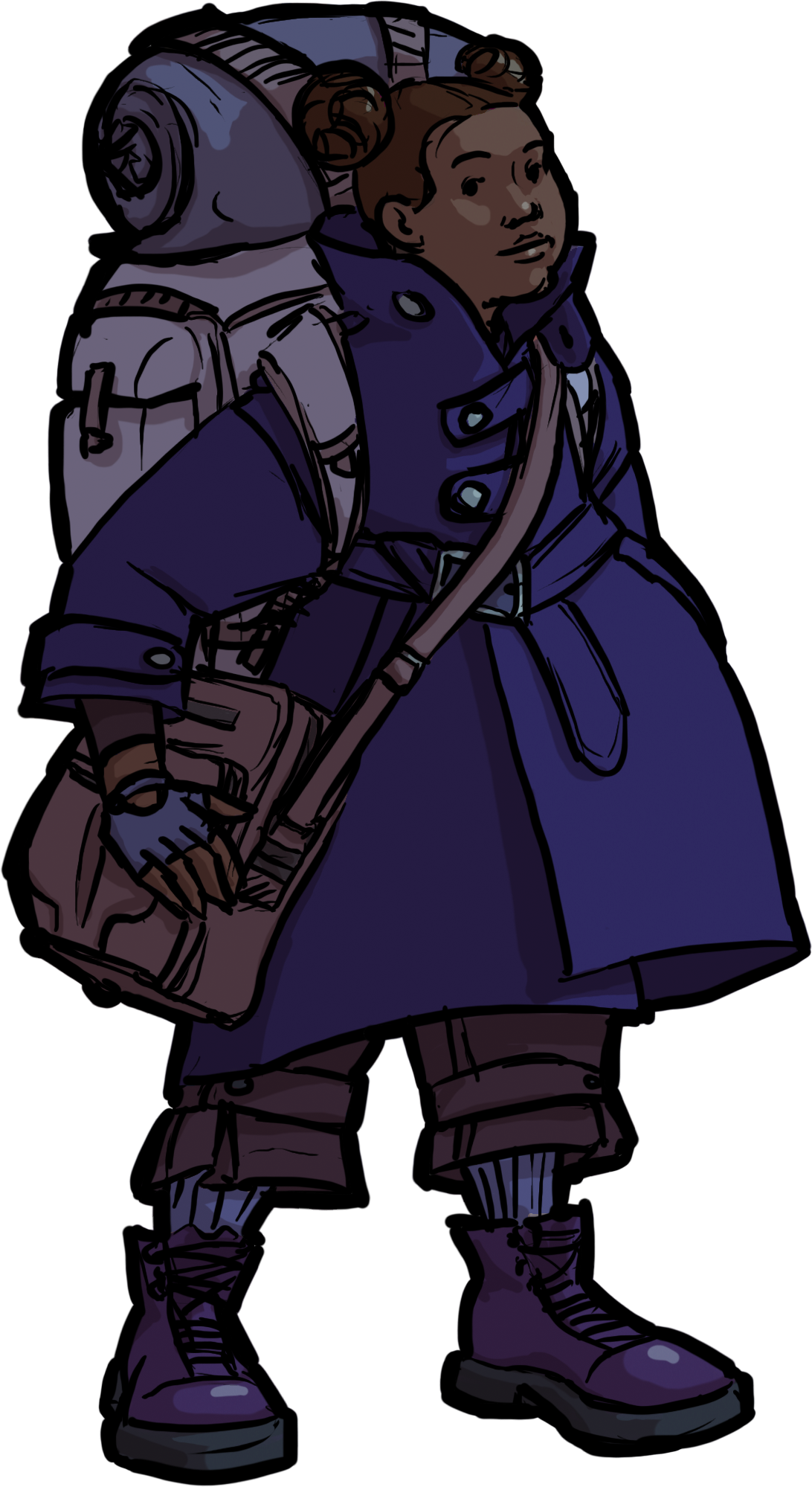
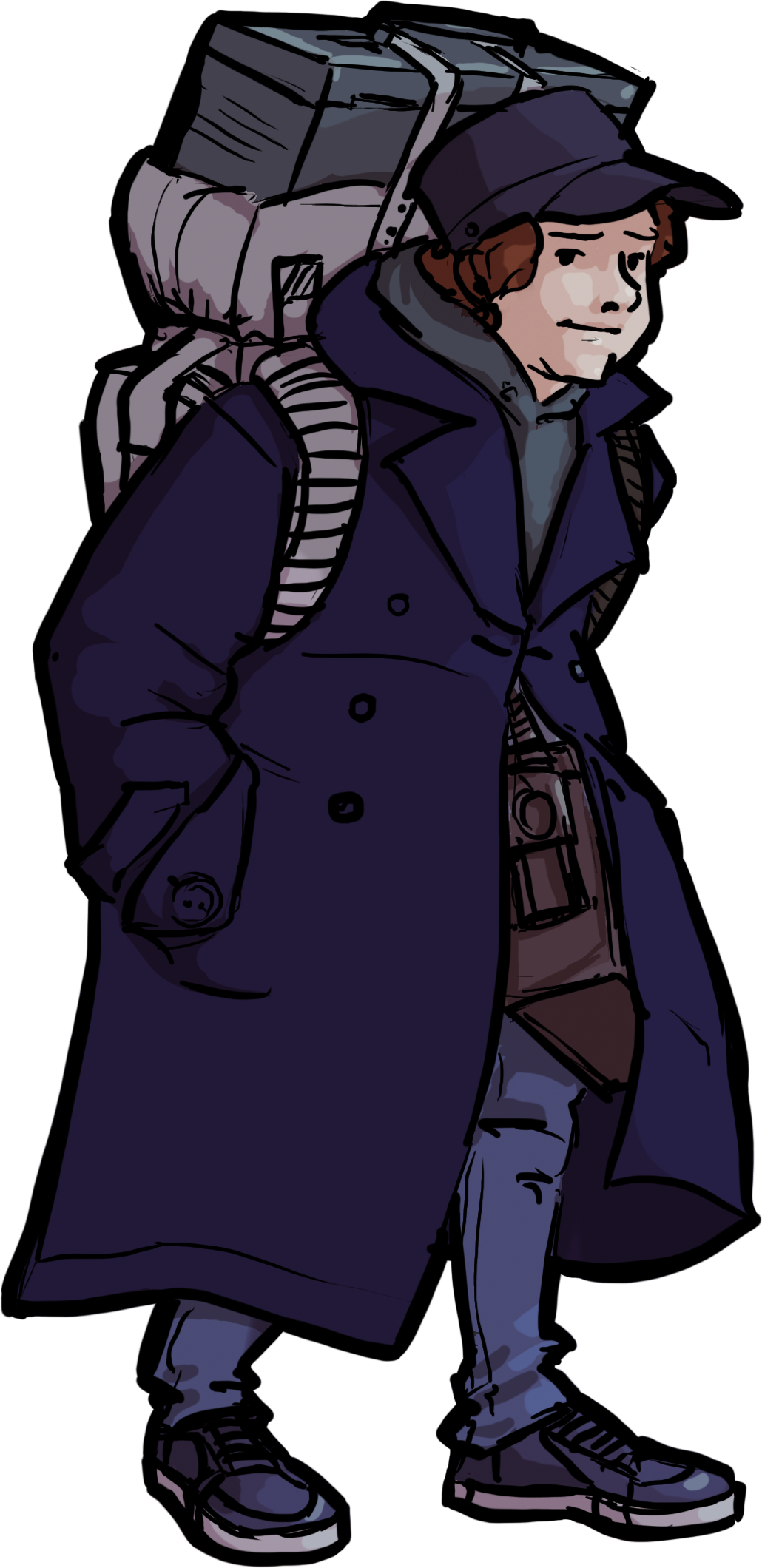
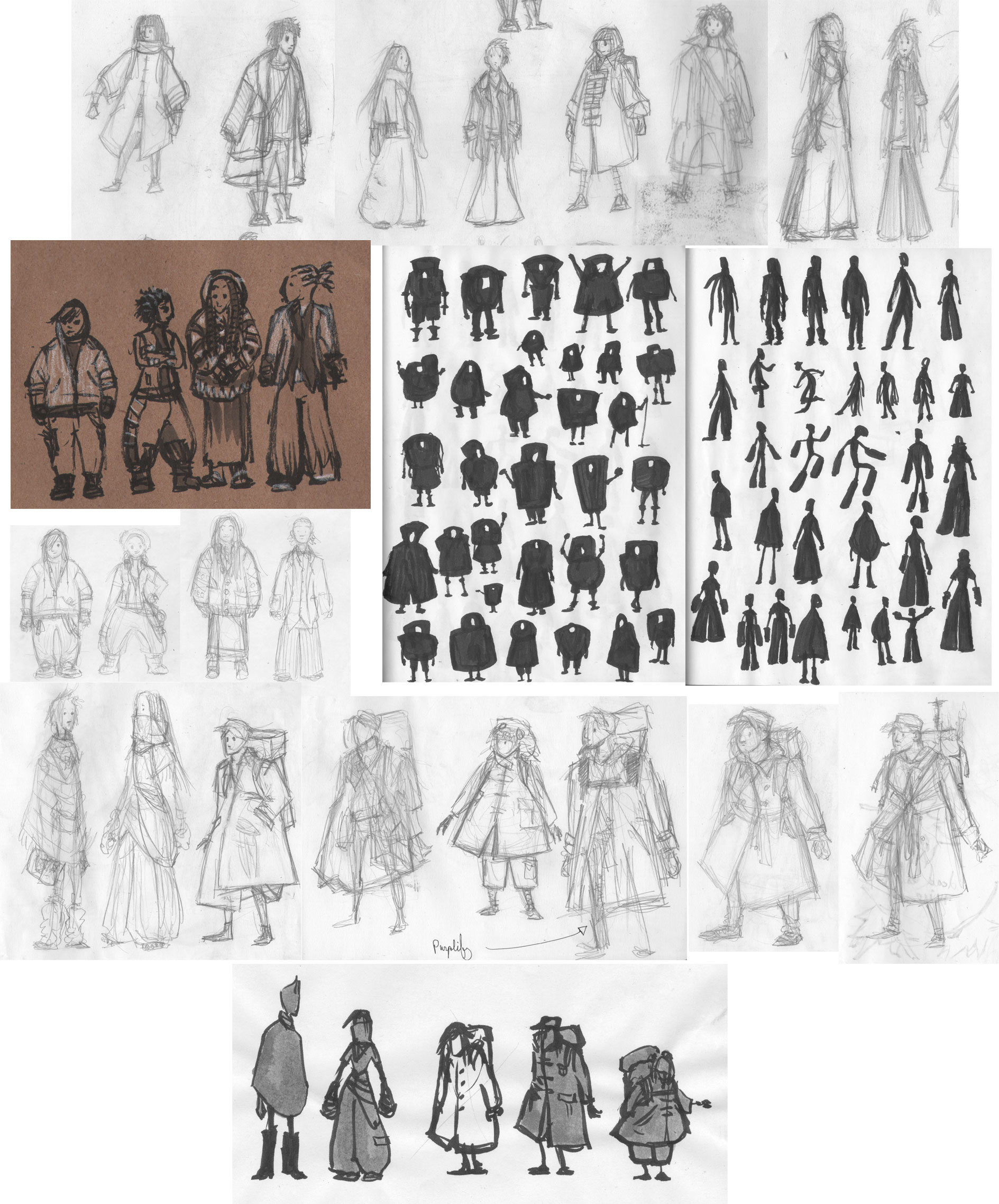
Digital design lineup of four spunky teens off to investigate spirits in their city. Below are some of the process pages used to develop four complimentary designs, focusing at first on shape. Earlier development sketches available below.
-
This is a concept art sheet for Atlas Games’ upcoming project Pillar of Fire. We developed a series of alien creatures inspired by microfauna.

-
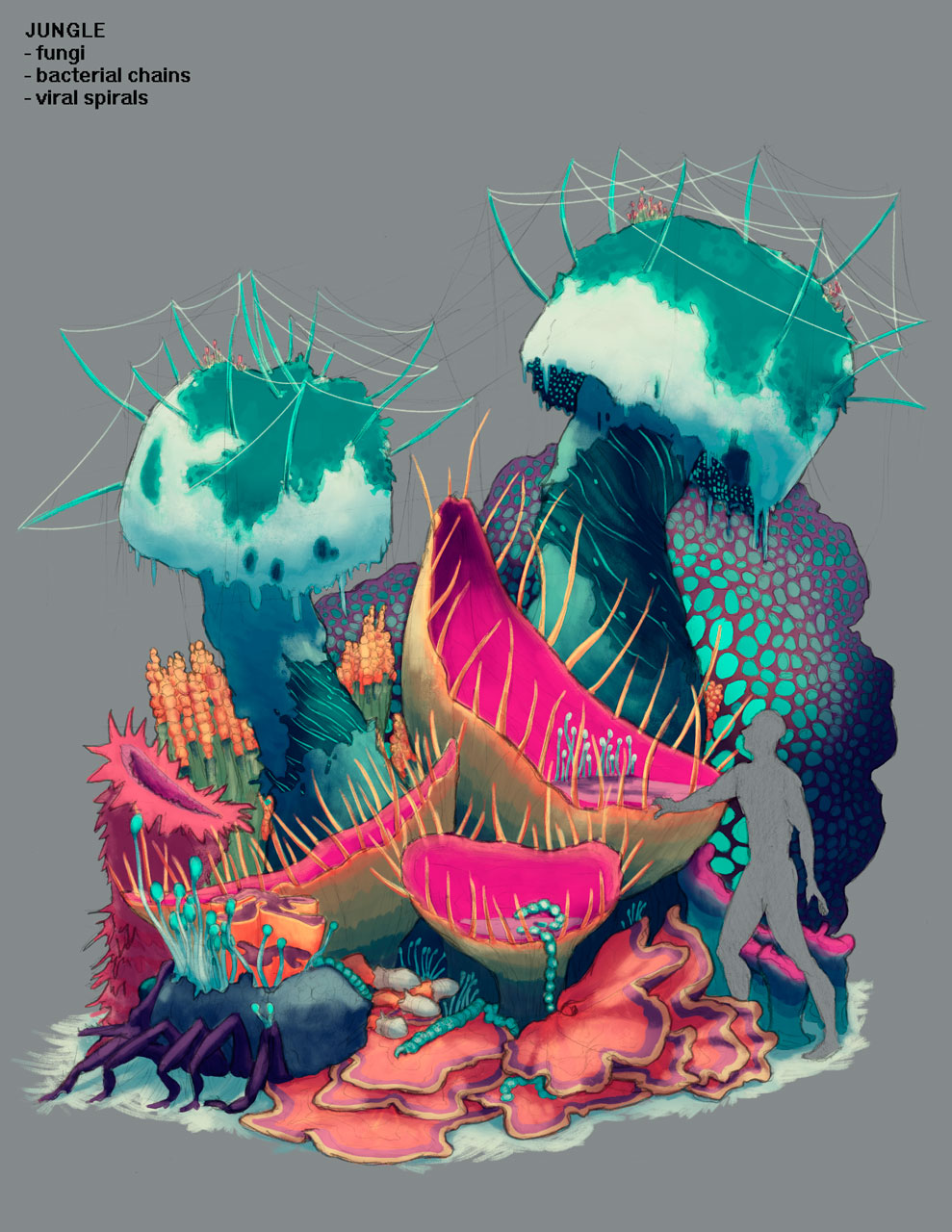
This is a concept art sheet for Atlas Games’ upcoming project Pillar of Fire. We developed a series of these environment samplers inspired by microorganisms and fungal structures.


Leave a Reply