
swap to chronological order of most recently posted
-
Canadian here, and I can confirm that, while admittedly I have never seen a product list itself as a pencil crayon in Canada, we all agree that’s what coloured pencils are referred to as in conversation.
Now, certainly more research could be worth doing but, I have a theory… see, our packaging is mandated bilingual, and usually english first:
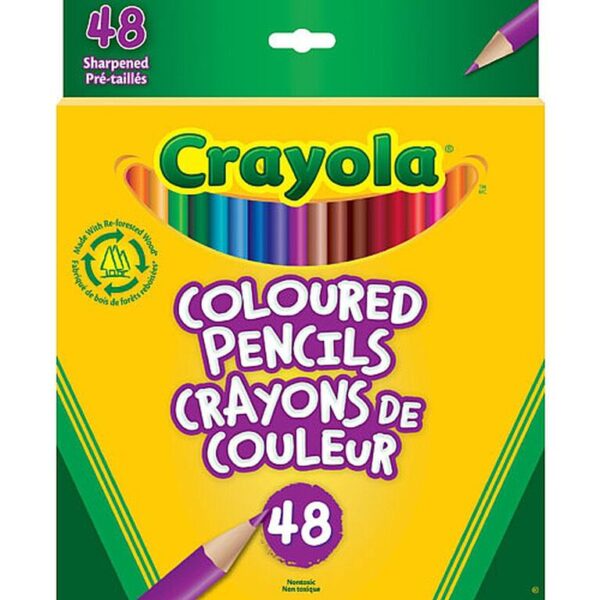
See how it reads as one long title?

Well, now, imagine kids throw that around for a bit till the verbal greebling is worn off:

Dunno what the official history is to this, linguistically, but this has been my working theory for some time.
-
i have footnote capabilities already!1 Ahh, the newly distracting ways I can write, unfolding before my like cells in the library of babel…2 Unfortunately I am already not to be trusted with most punctuation; I will resist all efforts to simplify my sentences, and I WILL nest (or embed3) too many clauses! Anyways, this has been fair warning4. Footnotes ensue.
-
so when I reformatted my website, one of the things that I wanted to do was make it possible to post casually to this, with a similar energy to how I used to post on social media. you know, with the hope of getting myself free from social media and not simply just falling back down that slippery slope into blue sky and who knows what else I’ll join in the near future, etc. and so, when I did the reformatting, I made in my mind two key categories of posts: structural posts which work functionally as load-bearing writing or load-bearing collections of images, making the site make sense etc. and then the other category was building block posts, which I thought I would be able to collect into structural posts more.
but the problem is, I didn’t really set from rules for myself around what a building block post is, and how it’s supposed to work. I think I need to think a lot more about what posts would constitute a feed style posting for me, and then how could I make those useful to myself in future as potential collections, instead of trying to go with my gut every time.
not particular big website thoughts today but, I am still wrestling with this and it seemed worth writing down.
has anyone else struggled with and found any solutions with regards to casual posting versus full on blogging? I miss sharing casual low stakes the thoughts and studio photos and so forth. I’m really trying to figure out how to enable myself to do that again.
One response to “Feeds vs Blogs Thoughts”
-
I’ve thought about this a lot since leaving Mastodon and Twitter, and choosing not to join Blueksy.
Structurally, I feel like it’s helpful to have a separate custom post type (in WordPress parlance) for quick notes, but my bigger hangup is wrestling with whether having a space for quick, random thoughts is actually helpful or desirable for me. A lot of microblogging ultimately felt overly performative, and I think it might be better to just have a notepad (whether digital or analogue) for the quick thoughts, which, indeed, can then be collected into somewhere more presentable/coherent in a blog.
A casual photo/image feed is probably more desirable for me than a text-focused one. Inevitably, I’ll end up rambling in there, too, but at least it’s focused around an image, usually.
-
-
TTRPG folks are probably familiar with Epidiah Ravachol and Nathan D. Paoletta from their fabled indie games past, but if you need more of their kind of game, or if you’re new to these names and looking for something fun to bring to the table this spring, you’ll want to hop on this KS before it wraps in four days!
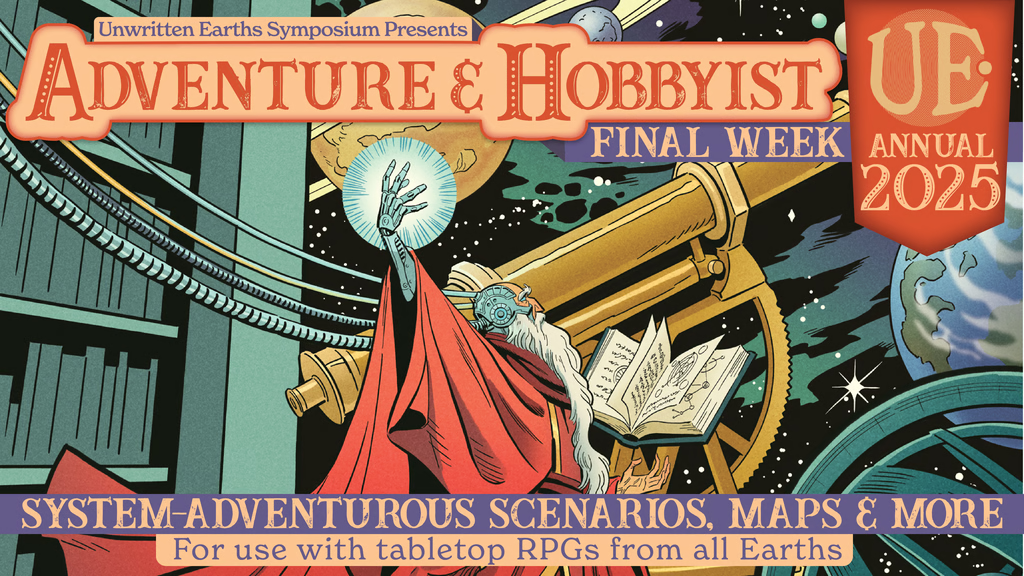
As promised by anyone who might know Dread, or World Wide Wrestling, you can find some very pulpy adventures within: small town amateur wrestling with a cosmic twist; suburban horror; space race pulp – and all of them what they call “system-adventurous”, which means you can easily shape these adventures to support your preferred methods and mechanics as a GM.
It’s an all-star list of artists contributing as well, including some of my favs Mary Verhoeven and Meaghan Carter; and a map from the inimitable Tony Dowler. It’s a few dollars away from fully funded as of me hitting publish on this, and I can’t wait to see what they end up making! Don’t miss out on this first magazine-shaped endeavour of a magnificent teamup – go forth and get gaming!
-
Curious about iNaturalist? Worried about not owning a fancy camera?
posted:
updated:
posted to: reccommendationsLet this forum thread remind you that uploading observations is really all about sharing information in whatever way you can!
https://forum.inaturalist.org/t/whats-the-worst-pic-you-uploaded-to-inat/40286/25
If it’s an ID-able subject, you’re good to upload!
Here, some examples from the thread:
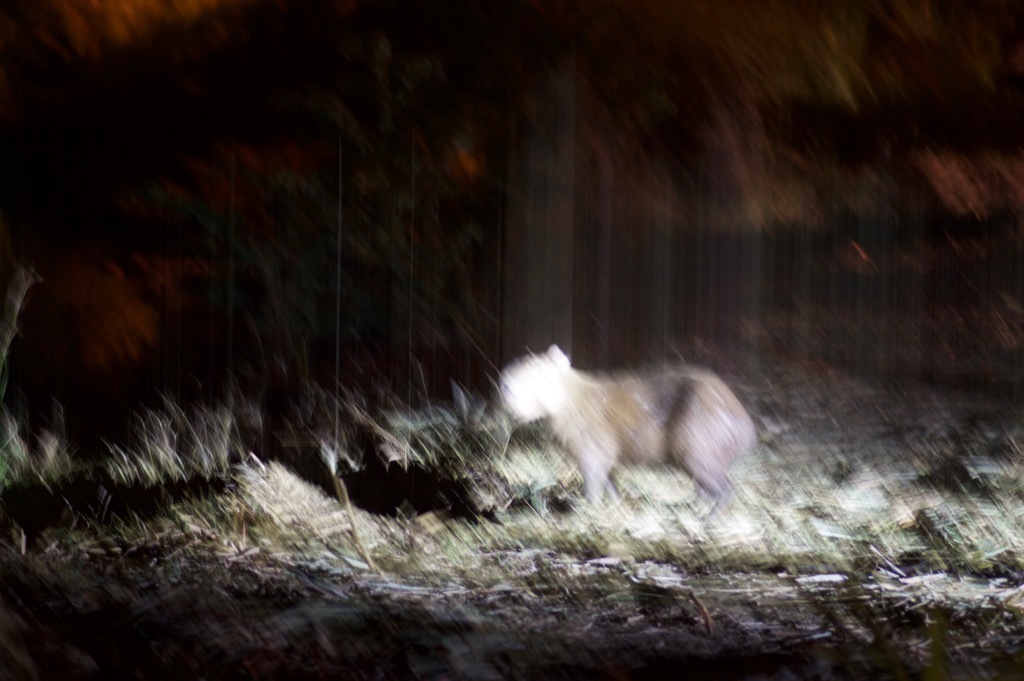 Lesser Capybara from Soberania, PA-CL-CL, PA-CL, PA on January 28, 2016 at 03:52 PM by John Sullivan. Unfortunately it ran off before I could get a decent photo. · iNaturalist
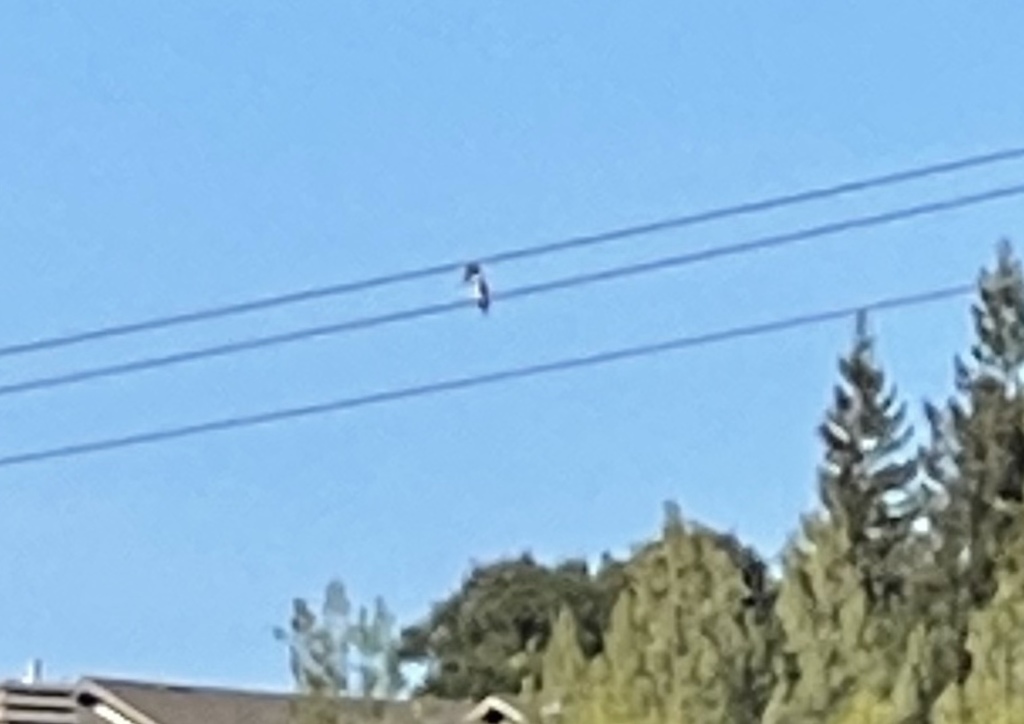 Belted Kingfisher from Vasona Lake County Park, Los Gatos, CA, US on December 10, 2020 at 11:08 AM by Terry. This bird is frequently seen perched in the wires across Vasona Lake. · iNaturalist
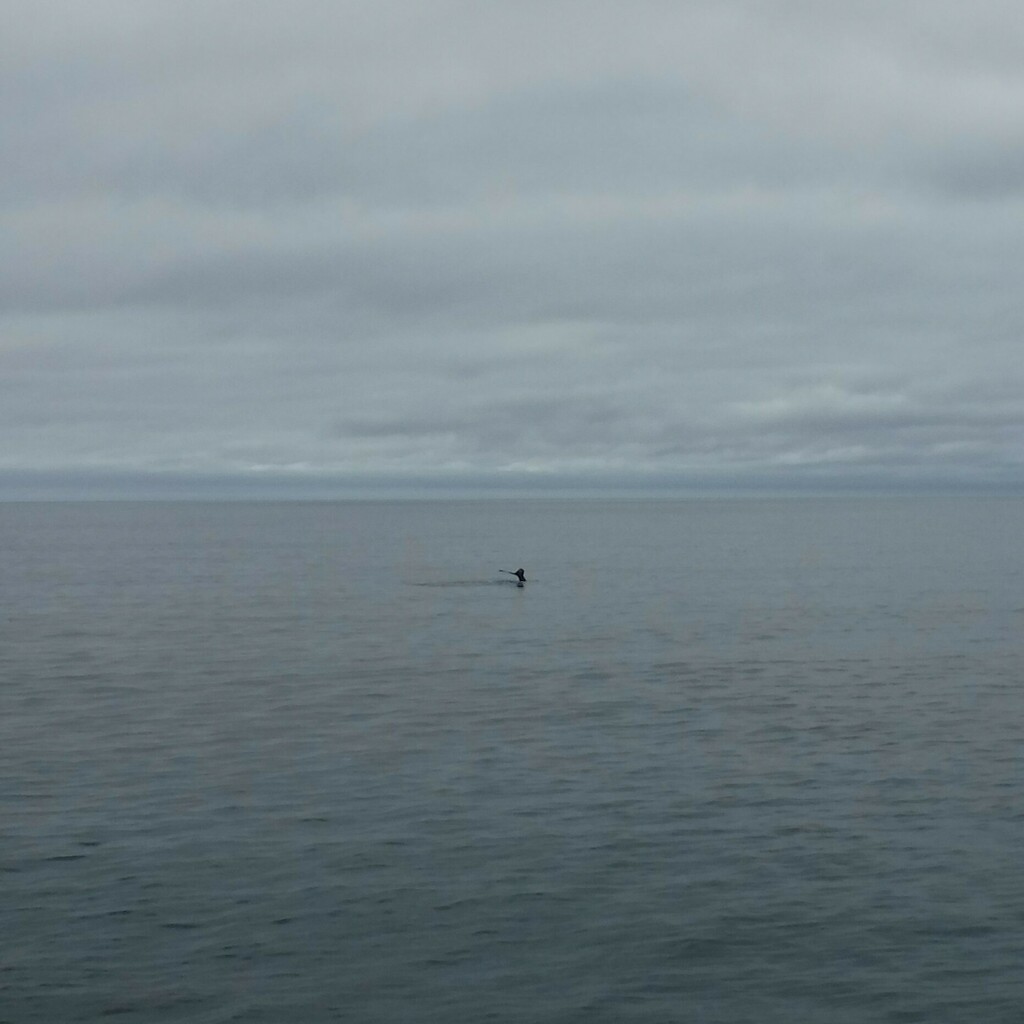 Humpback Whale on July 6, 2017 at 02:25 PM by Anne C Lewis. Notes from my journal say Humpback whales. · iNaturalist
Here’s a real blurry photo of mine that was a useful element of an ID:

And here’s a post I made on cellphone-attachable lenses, and another on open source camera software for your phone, to help you get the most out of whatever you have!
-
Thanks to the Orb, they’d been living large outside of time — until it all came crashing down.
Stranded on a strange moon, four space pirates and one stowaway find themselves forced to discover what comes next.

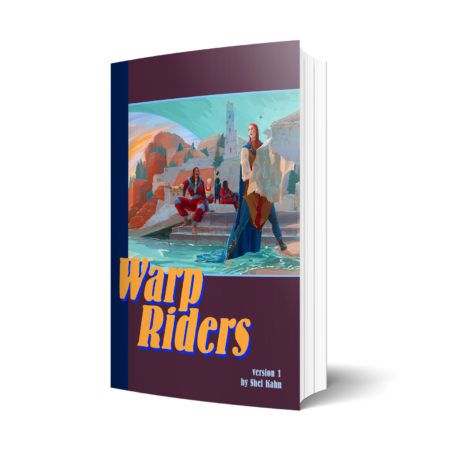
Warp Riders is a fast paced, pulpy, and sapphic orb-and-planet novella. It grew out of a NaNoWriMo tweetfic, and since then I’ve polished it up quite a bit.
If you’d like to read it for free, I’m running it online in small chapters, like a webcomic – catch up and subscribe right here!
But I’m also offering it as a pdf and epub, and all the money raised there will go to me getting it properly set up for professional level self publishing, including funding me drawing interior illustrations. Pick up a copy for yourself here and I’ll send you updated versions as they happen!
If you love a little magic in your sci-fi, a little space wizardry spiced with queer romance, I think this might be your jam!
-
The Ghost Houses of Phylinecra – Pocket Dungeon Zine & Pocket Pack
posted:
updated:
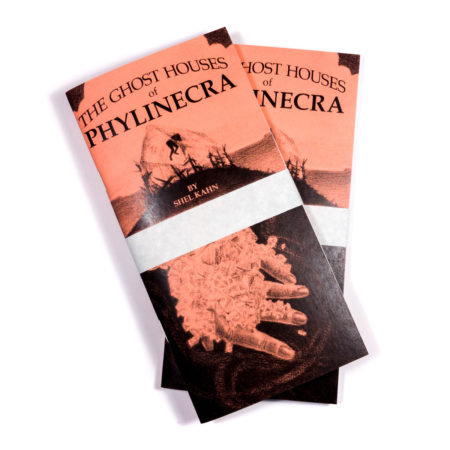
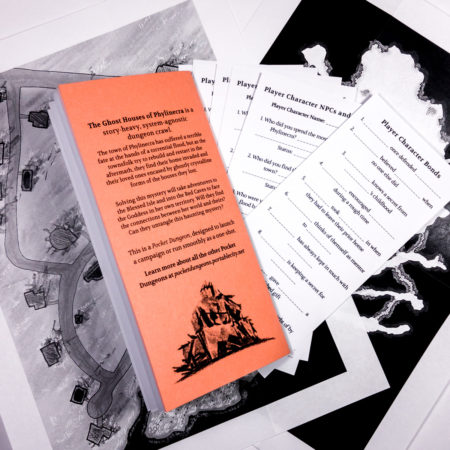
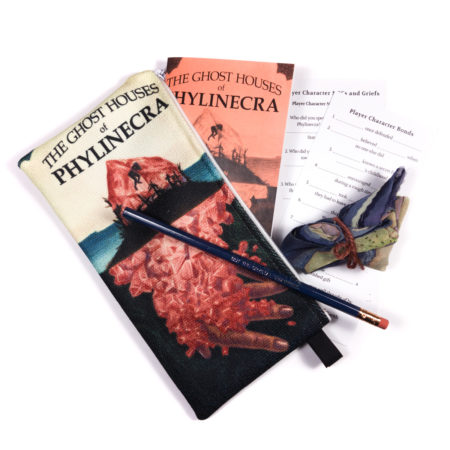
posted to: pocket dungeonsThe Ghost Houses of Phylinecra is a system-agnostic, story-heavy dungeon crawl about a community recovering after disaster, and how a goddess might try to understand mortal grief.The village of Phylinecra was a tight-knit community of artists and creatives, until it suffered a devastating flood. In the aftermath, as the survivors try to salvage their lives and their homes, a strange force traps several people in crystalline, house-shaped sarcophagi, compounding the natural disaster with a supernatural one. Rescuing their friends from the ghost houses will require players to venture to the Blessed Isle and from there, down into the Red Caves, where they must solve the mystery of the Goddess herself.GM and players will work together to build a unique version of Phylinecra and a unique Goddess for their quest. This adventure will run between 1-3 sessions, and includes instructions for shortening or lengthening play time.Content notes: community grief, death of loved ones, acceptance of death, metaphorical depictions of decay, survivors guilt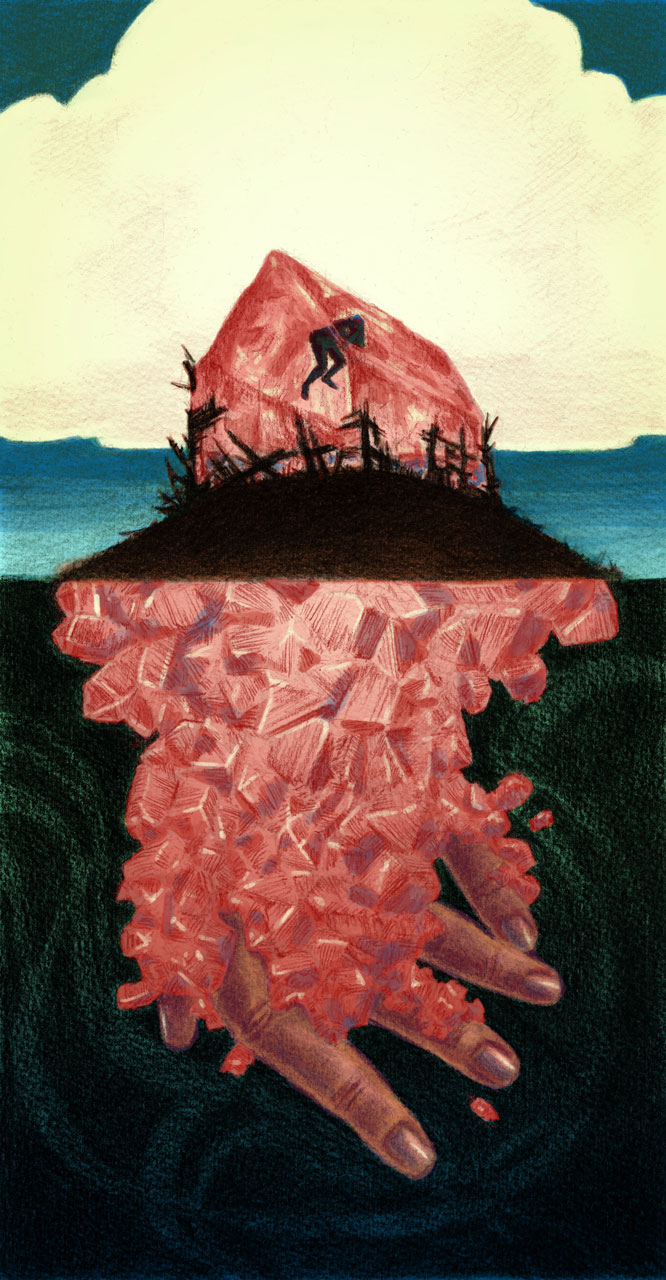 The zine of The Ghost Houses of Phylinecra includes:
- the full adventure
- nine black and white interior illustrations
- two player facing black and white maps
- seven paper insert forms to record player answers to worldbuilding and group relationship questions
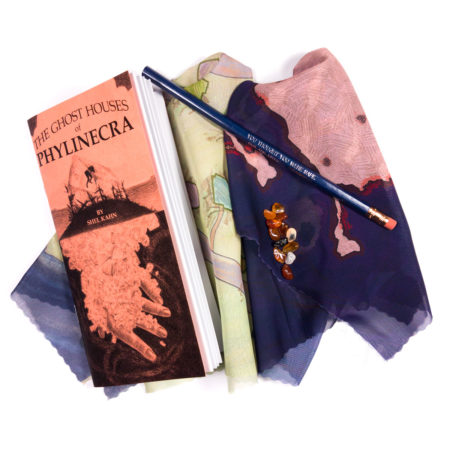
The pocket pack of The Ghost Houses of Phylinecra includes:- the zine
- the seven paper forms
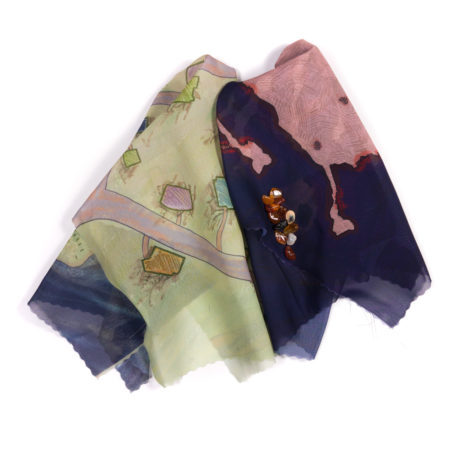
- two tabloid sized chiffon colour maps
- a cursed pencil
- twelve mini crystal tokens
- all tucked into a 9 x 4″ custom printed canvas pencil case
The PDF version of The Ghost Houses of Phylinecra includes:- a PDF of the zine
- print & play versions of the black and white maps
- print and play version of the paper forms
- screen-ready colour maps for online play
If you’re interested in reviewing this adventure, please get in touch at shel at portablecity.net !
-
Brainstorming and feedback loops
One of the first steps of designing is always brainstorming — sometimes this starts before research, sometimes I research first, and often I go back and forth, letting brainstorming push me to the limits of my current knowledge and then taking to the internet to open up new territory. For the equipment for Astronomics (demo on steam right now!), while the design team had a few key assets they were looking for, they were also still brainstorming and so we were all kind of discovering what the equipment part of the game could be as a whole.
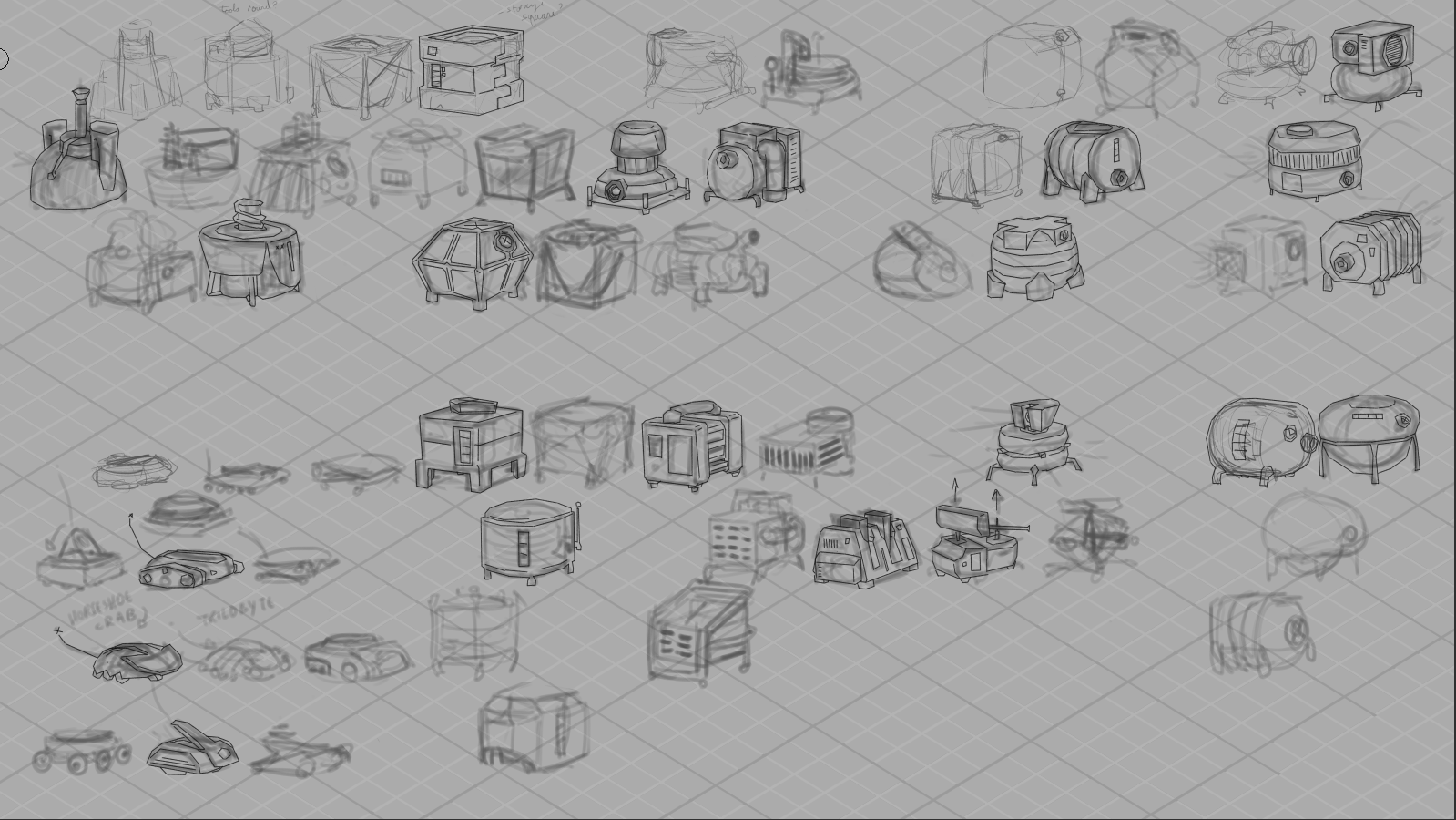
For me, that brainstorming usually looks like a LOT of very rough drawings. I usually have my research sketches open nearby for reference, and I try and draw small enough that i can see all my brainstorming and seek out possibility spaces between ideas.
Above is my first VERY rough brainstorming page, and on it you can see art from two passes – the softer, lighter drawings are the open-ended thinking; the darker clear lines are the second pass, where I start filtering, choosing which pieces to take to the rest of the team to start conversations with.
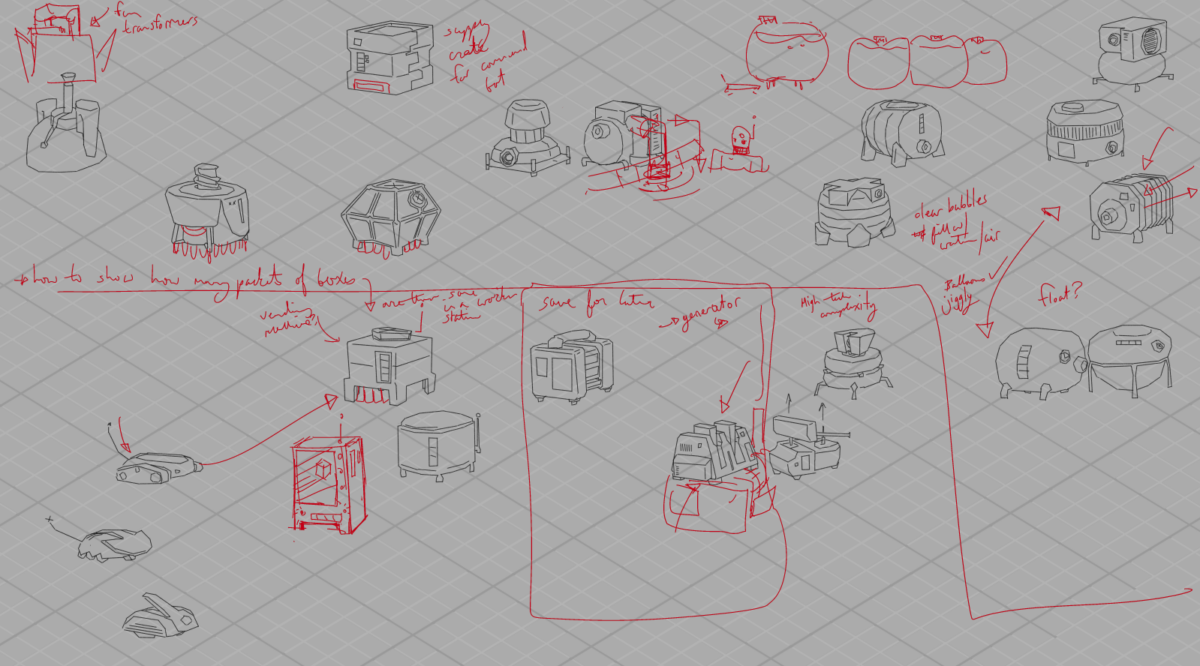
You can see how we would collect feedback above – i would write notes and do additional drawing on top of the submitted artwork as we went through things in screenshared video meetings, and then have these with me as I iterated further.
One thing you might notice is that these are all drawn with straight lines — Astronomics is a low-poly 3D style game, and it was fun to think about simplifying the shapes right from the beginning. While I didn’t do all my drawing like this, it was a fast and quick way to get clean linework that had some connection to the style of the game long before we really knew anything about said style!
Speaking of style…
Next up, we had to make some big decisions. Astronomics has a lot of equipment with a big range of functions and scales and the most important thing was making sure it all read like equipment from the same manufacturer – that being CubeCorp, as you’ll see in the demo. I narrowed it down to three possibilities:
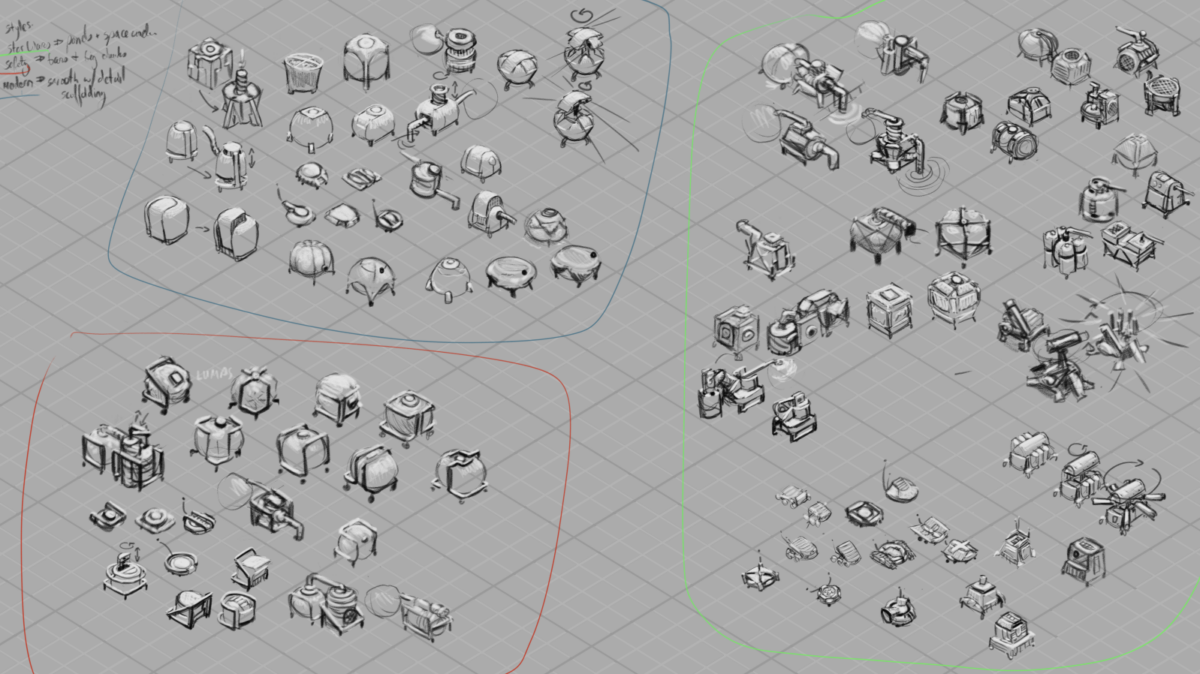
I went in three directions — “Star Wars” style, all panel lines and chamfered edges and a sense of overall complexity; “Safety” style, with safety bars and frames around everything, focusing otherwise on simple, chunky shapes; and “Modern” style, exploring simple silhouettes with hidden complexity.
(none of these are official names for known styles, eg, the star wars style didn’t actual aim for matching the style in those films particularly — these names were more mnemonic devices to help me quickly sum up what I was thinking in a punchy way, and help my coworkers refer to the styles more easily in conversation while we discussed an debated direction together.)
In the end, what we chose was mostly Safety-styled, but elements from both other directions made their way in too!
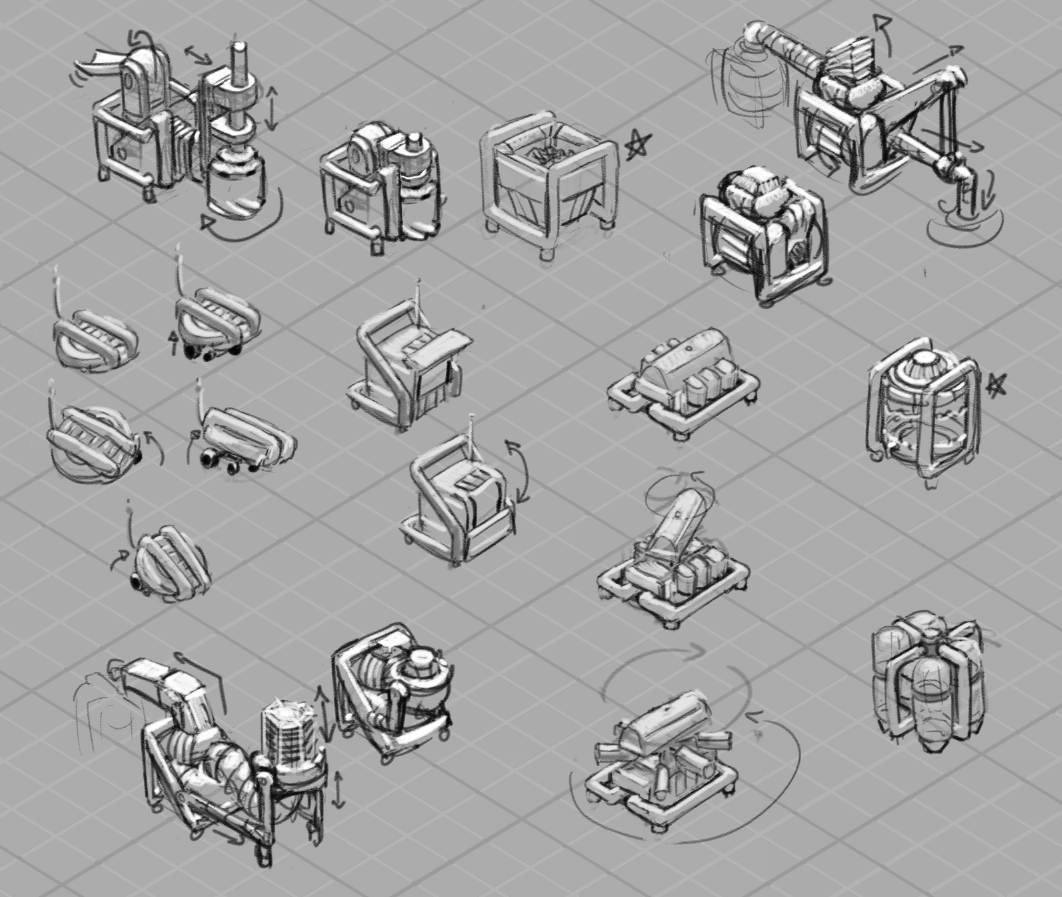
And here was my first sheet ft a pass on the drill, pump and vaccuum, containers for solids, liquids and gasses, a worker bot, a worker bot home, and a robust scanner machine.
A few things we were thinking about: we wanted there to be a sense of a unit of size that everything fit into – CubeCorp, remember? – and so even our most complicated equipment needed to pack down into that cube. That meant that we were going to be animating equipment essentially unfolding, so I tried even at this stage to think about what that could mean for the drill and pump and vaccuum, and you can see packed and unpacked states up there for each design.
They also were likely to be carried around by our little darling worker bots — so everybody needed feet the bots could squeeze between to get underneath. Speaking of, they probably went through the most designs of everything, and what’s in the demo does not appear in these pages at all, haha, but here, a few more passes:
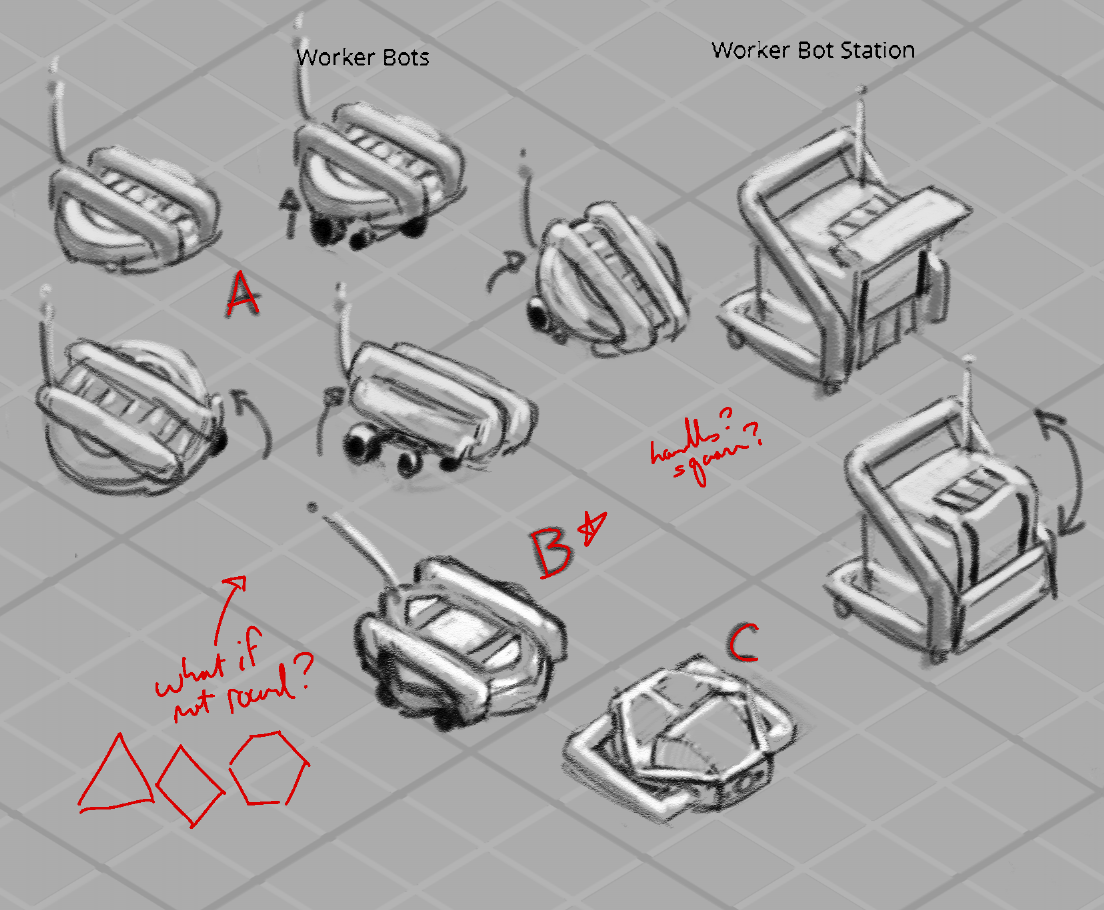
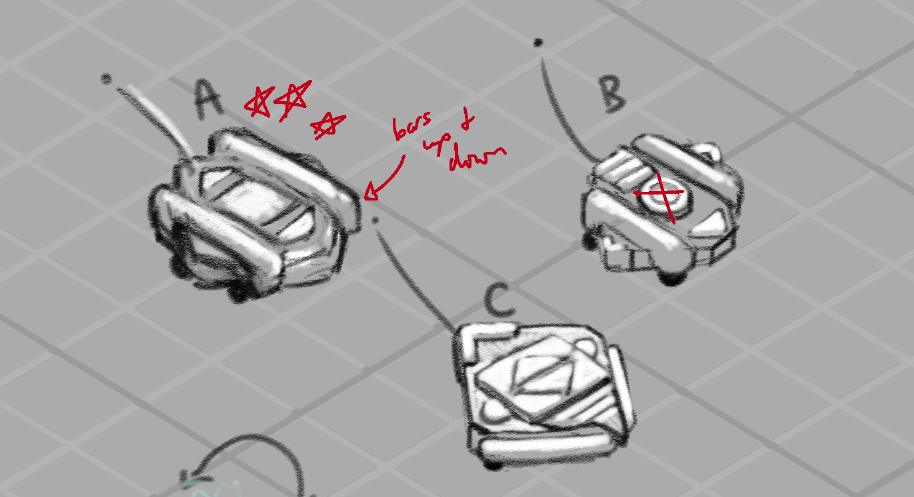
In fact, you might not be able to find any of these exact designs in the demo — that’s just the nature of concept art in games! What the game needed then and what it needed later — as the game design itself was developed — well, it changed, as it often can! I think it can be easy from the outside to assume that everything anyone thought of was eventually brought to life, but that rarely ever happens. Concept art is a process, and so even if these designs didn’t make it into the game, they were an important step along the path towards designs that did, and they taught us a lot about what we did and didn’t want Astronomics to look like!
-
Oversized Equipment
With a base set of equipment solved for Astronomics – demo on steam right now! – there were two things next on the checklist: thinking about colour design, and thinking about some of the equipment that didn’t fit into the neat little categories of drilling/pumping/vaccuuming etc.
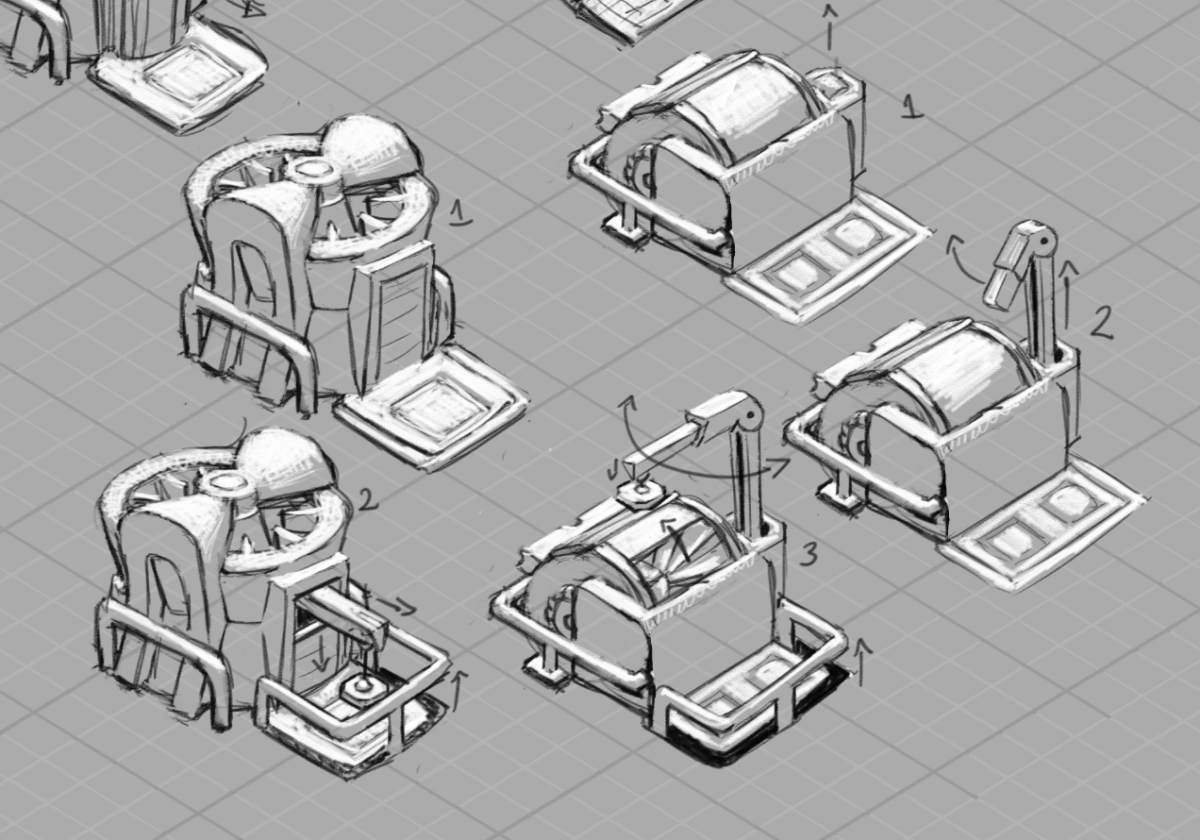
Firstup, we tackled some big ones: one of the things we wanted the player to get to work towards was processing raw materials — and that meant big processing equipment that could intake entire containers of raw material and spit out something different. These were a really fun challenge to keep in the same design language as our smaller machines while pushing the scale.
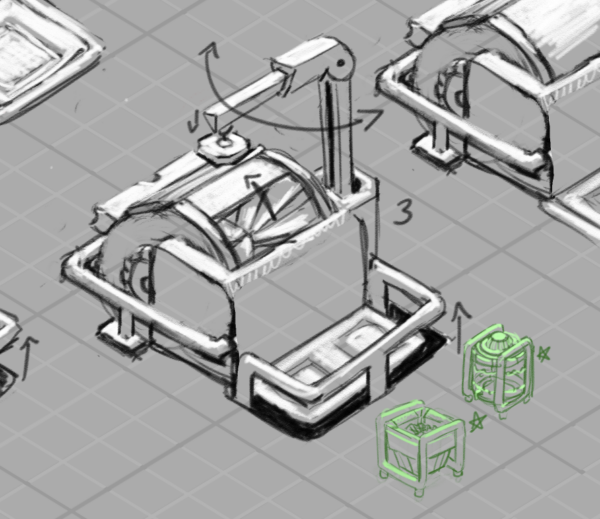
This is one place where our safety-bar themed style really helped — the ubiquitous bars were very useful as a shared unit of scale between the smaller and larger equipment – and in these early drawings they were a clear warning sign that I hadn’t fully measured out the scale relationships:
Here you can see the containers, when scaled down to a size where both could fit into that protected area on drawing 3, have safety bars about half or less as thick as the safety bars on the machine. Scale remained something we had to wrestle with and fine tune as we went, and we’ll actually come back to the containers in a little bit.
The other larger piece of equipment we needed was one that’s central to the demo — the crane! Here you can see a few of the different ideas we were exploring.
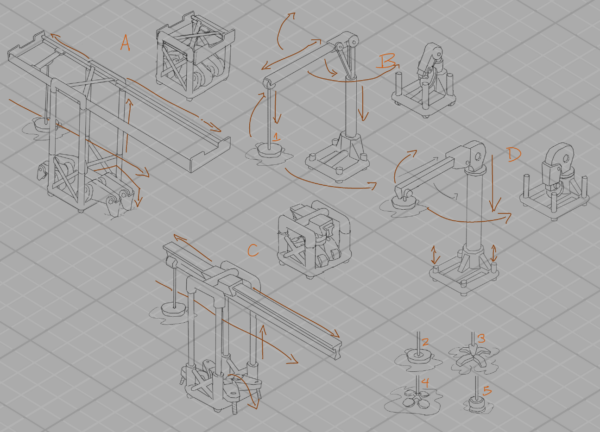
Key elements were: we wanted it to attach securely to the ground, and we wanted the player to feel like they had maximum options when it came to positioning its pickup and dropoff points. With those priorities and with our low-poly 3D outcome in mind, we ended up grabbing the legs from A and putting them on D — D felt like the most flexible in terms of how far we could spin or stretch the reach of the crane, and also the most simple in terms of modelling and animation challenges.
There were further edits and redesigns and tweaks and additional passes on a lot of this stuff — especially the containers — but I thought folks might like to see how we approached colour for the equipment! And that’s a HUGE question, so I’ll be saving that for its own post, alongside the epic journey that colour took while I was on the project.
-
Laura’s angle on iNaturalist
posted:
updated:
posted to: linkstagged: inaturalist, insects, interesting link, pillbugs, playful data, read this blog, structure, woodlouse
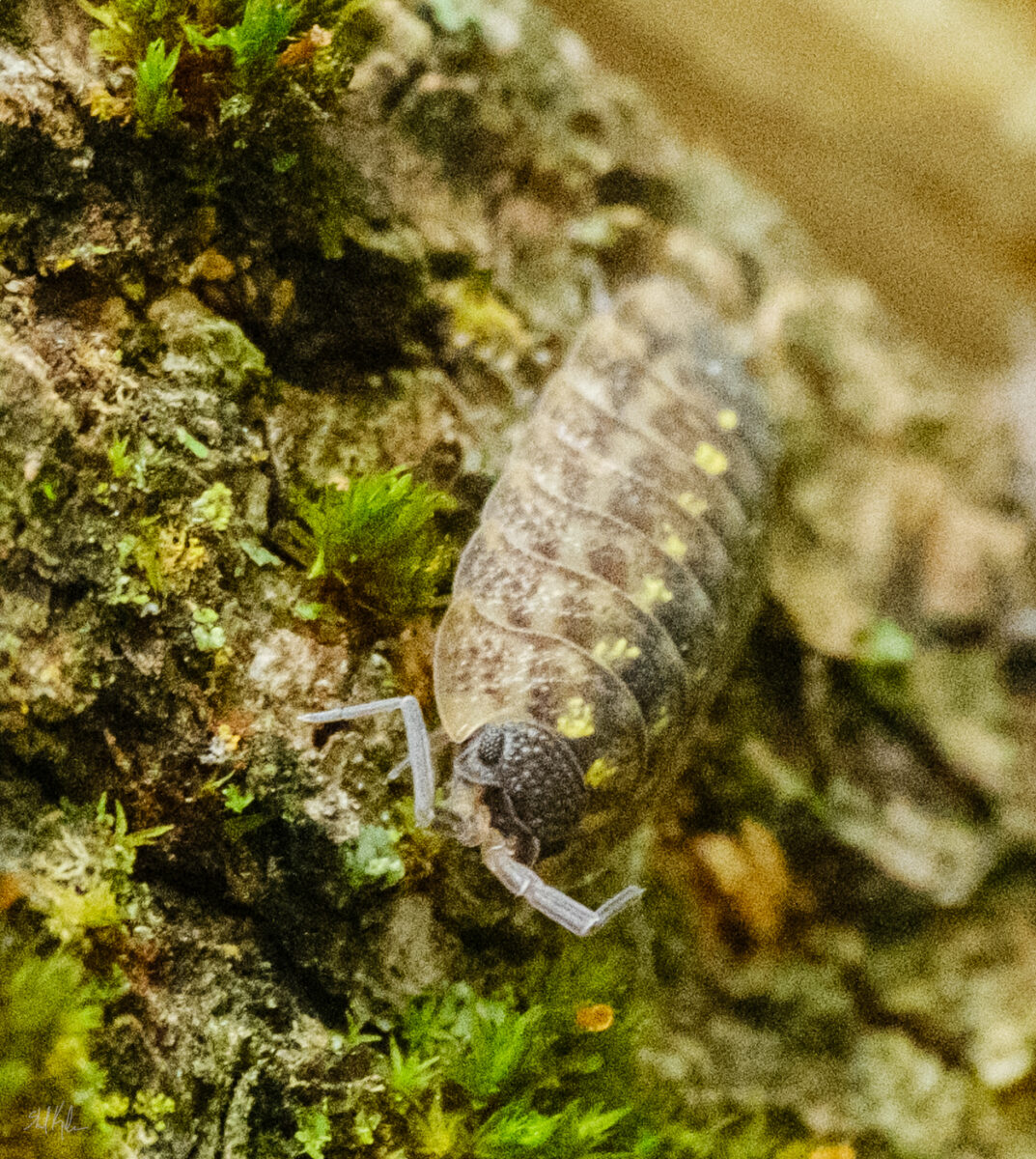
I’m enjoying not only posting on and browsing photos via iNaturalist, I’m also having a blast seeing how other people are getting something out of it!
Laura’s been posting about it on her blog this year too – there’s a strong data-parsing angle in Laura’s blog posts, finding interesting stories as single examples or as revealed en masse in big datasets, and it’s great to read her writing on her work and the work of scientists doing just that with the publicly available data on iNat:
 Interesting Link: iNaturalist map data sorted by “Locals” and “Tourists” | Laura Michet’s BlogThis website takes iNatural…
 I recommend looking at all the iNaturalist observations sorted by favorites | Laura Michet’s BlogI have posted a tiny amount here bef…Interesting link – on iNaturalist, two banana slugs have escaped the west coast | Laura Michet’s BlogiNaturalist is a “citizen science” website where users confirm animal IDs for use by scientists.
Laura also created a fantastically specific website, casualty.report, that shows the most recently modified research-grade1 photo of a mammal bone from iNaturalist:
Casualty ReportA website that shows the most recently modified, research-grade photo of a mammal bone from iNaturalist.Laura lives on the opposite side of the continent from me, in a hugely different ecosystem, with one of those species-dividing mountain ranges running between us, so following her on iNaturalist is a great way for me to be an ecotourist in my own right. I’m learning a lot about lizards2, and judging from her favourites of my observations, she’s having fun with my photos of our many and varied southern ontario pillbugs and woodlice. Pretty sure this is, once again, something classically good about the internet!
- Research-grade means that multiple identifiers have agreed on what species something is. it’s a broad filter for decently accurate identification, though I would bet papers are being written on common pitfalls of mass ID. ↩︎
- I’ve ruined my computer with my absurd fantasy writing such that autocorrect REALLY thought I meant “wizards” here AND it took a few rereads for me to realize that no, actually, I didn’t. ↩︎

Leave a Reply